
Selecting the right backpack is about more than just style or storage capacity. A poorly fitted pack can lead to chronic back pain, shoulder strain, poor posture, and reduced mobility—especially during extended wear. Whether you're hiking rugged trails, commuting through city streets, or traveling across continents, a properly measured and fitted backpack ensures weight is distributed evenly, pressure points are minimized, and movement remains fluid. Yet, most people rely on guesswork or one-size-fits-all assumptions when choosing their gear. The truth is, accurate measurement isn't complicated—but it is essential.
Why Backpack Fit Matters More Than You Think
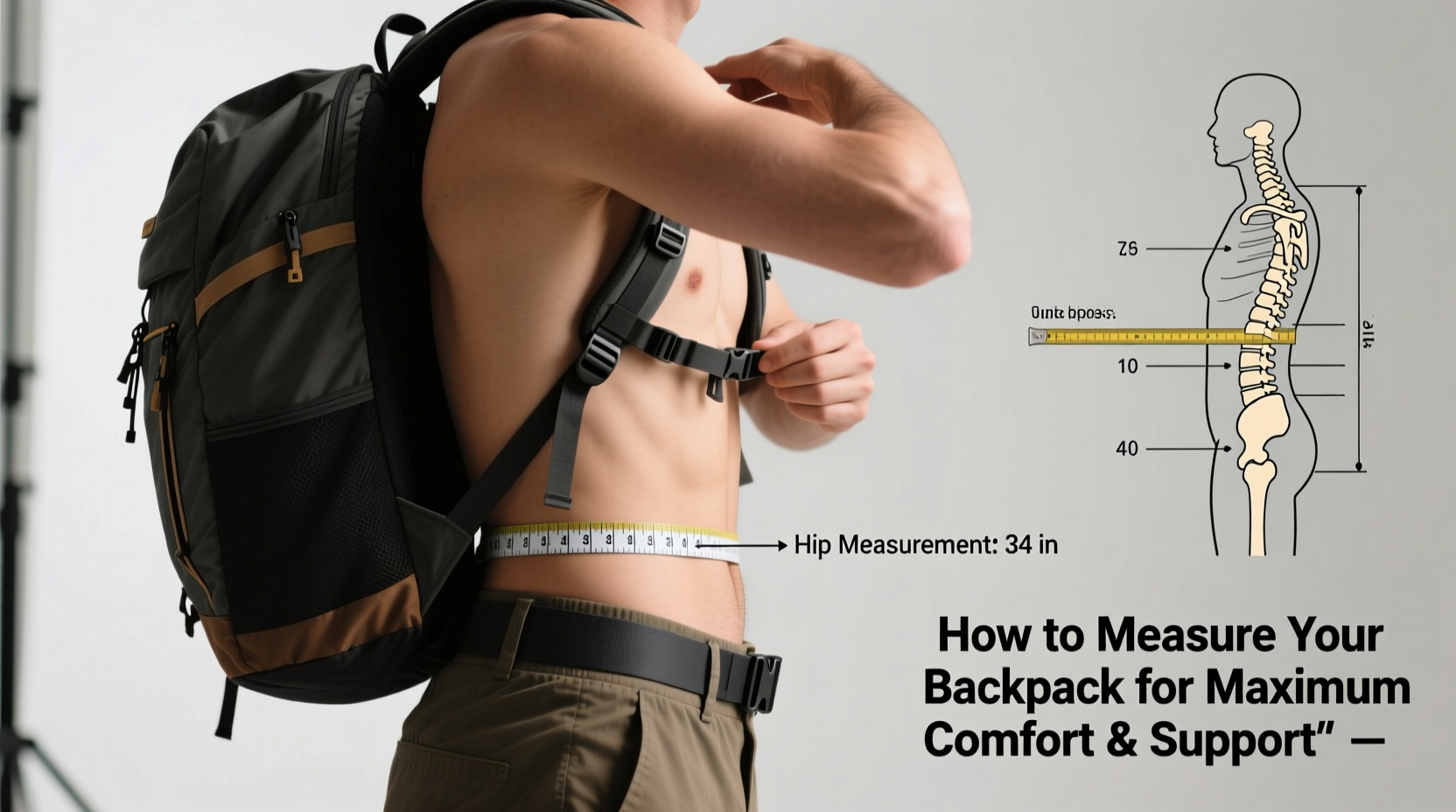
A backpack that doesn’t match your torso length or body proportions forces your spine out of alignment. Over time, this misalignment contributes to muscle fatigue, joint stress, and even nerve compression. According to Dr. Lena Torres, a physical therapist specializing in ergonomic design, “Carrying a load with improper fit is like wearing shoes two sizes too small—you might manage at first, but long-term damage accumulates silently.”
The key to avoiding discomfort lies in understanding your body’s dimensions and matching them to the backpack’s structural design. Torso length, hip belt placement, shoulder strap angle, and sternum height all play critical roles in how weight transfers from the pack to your body. Ignoring these factors leads to inefficient load distribution, where shoulders and upper trapezius muscles bear the brunt instead of the stronger hips and core.
“Over 60% of backpack-related injuries stem from incorrect sizing, not overloading.” — Dr. Lena Torres, Physical Therapist & Ergonomics Consultant
Step-by-Step: How to Measure Your Torso Length Accurately
Torso length—not height—is the primary metric for selecting a correctly sized backpack. Many manufacturers use torso ranges (e.g., S/M/L) rather than chest size or waist measurements. Here's how to measure yours precisely:
- Find your C7 vertebra: Stand naturally and tilt your head forward. The most prominent bump at the base of your neck is the C7 vertebra. Mark this spot lightly with a washable pen or have someone help you.
- Locate your iliac crest: Place your hands on your hips so your thumbs point backward. The top of your hip bones forms a horizontal line; the highest point on either side is the iliac crest. This is your natural waistline.
- Measure the distance: Using a flexible measuring tape, run it from the C7 vertebra down along the natural curve of your spine to the midpoint between your iliac crests. Keep the tape snug but not tight, following the contour of your back.
- Record the measurement: This number, in inches or centimeters, is your torso length. Most adult torsos range from 14 to 20 inches (35–50 cm).
Additional Body Measurements for Optimal Fit
Beyond torso length, several other dimensions influence comfort and stability:
- Hip circumference: Measure around the fullest part of your hips, typically just below the iliac crest. This ensures the hip belt will sit securely without digging in. <
- Chest width: For packs with adjustable sternum straps, measure horizontally across your back between the front armpit creases. This helps determine proper strap spacing.
- Shoulder slope: While harder to quantify, steep or shallow shoulder angles affect how harnesses sit. If previous packs slip off or dig into your collarbones, consider models with articulated or rotating shoulder straps.
Once you have these numbers, compare them against manufacturer-specific sizing charts. Reputable brands like Osprey, Deuter, and Gregory provide detailed fit guides based on actual anthropometric data, not generic height brackets.
Do’s and Don’ts When Measuring and Fitting
| Do’s | Don’ts |
|---|---|
| Measure your torso with bare feet on flat ground | Estimate your size based on height alone |
| Try on the backpack with weight inside (at least 10–15 lbs) | Purchase online without checking return policy for fit issues |
| Adjust all load-lifter straps and hip belt before assessing fit | Ignore pinch points or pressure behind the shoulders |
| Walk around for several minutes during fitting | Assume unisex packs fit all body types equally well |
| Re-check fit annually, especially if weight changes significantly | Wear bulky clothing during measurement unless you’ll always carry the pack that way |
Real-World Example: Fixing a Chronic Hiking Discomfort
Sarah, an avid weekend hiker in her early 30s, experienced persistent lower back pain after every trail outing. She stood 5'6\" and assumed a medium-sized pack would suffice. After consulting a gear specialist, she discovered her torso was only 16 inches—on the shorter end of average—yet she’d been using a large-frame backpack designed for torsos 18\" and up. The hip belt sat above her iliac crest, transferring weight incorrectly to her lumbar region. Switching to a small/medium convertible model with an adjustable suspension system eliminated her pain within weeks. Her experience underscores that even slight mismatches can compound into serious discomfort over time.
Checklist: Ensuring Maximum Comfort and Support
Before finalizing your backpack choice, go through this checklist:
- ✅ Torso length measured accurately using C7 to iliac crest method
- ✅ Hip belt wraps 80–100% around hips and rests on iliac crests
- ✅ Shoulder harness contours to your back without gapping or pinching
- ✅ Sternum strap aligns with mid-chest and allows free arm movement
- ✅ Load-lifter straps form a 45–60° angle from top of shoulders to frame
- ✅ Pack sits high enough to avoid rubbing against neck, low enough not to extend past hips
- ✅ Weight feels centered and stable when walking, turning, and bending
Frequently Asked Questions
Can I adjust a backpack if my torso length falls between sizes?
Yes—many premium backpacks feature adjustable suspension systems that allow fine-tuning across a range (e.g., 16–19\"). Look for vertical slider bars or modular harness attachments. Avoid forcing adjustments beyond recommended limits, as this compromises structural integrity.
What if I’m buying online and can’t try it on?
Choose retailers with generous return policies and reference detailed sizing charts provided by the brand. Watch video tutorials from the manufacturer showing proper measurement techniques. Some companies offer printable paper sizers to simulate fit at home.
Does gender affect backpack fit?
Absolutely. Women-specific models often account for shorter torsos, narrower shoulders, wider hips, and different center-of-gravity positioning. Men’s and unisex packs may lack these adaptations, leading to compromised fit even with correct torso length.
Conclusion: Take Control of Your Carry Experience
Your backpack should enhance your journey, not hinder it. By taking the time to accurately measure your torso and understand your body’s unique proportions, you invest in long-term comfort, better posture, and greater endurance. Don’t settle for “close enough”—precision fit transforms how you move through the world. Whether you're trekking alpine passes or navigating subway platforms, a well-fitted pack becomes an extension of your body, not a burden to endure.




 浙公网安备
33010002000092号
浙公网安备
33010002000092号 浙B2-20120091-4
Comments
No comments yet. Why don't you start the discussion?