
Subscriber count is more than just a vanity metric—it’s a vital indicator of audience loyalty, content resonance, and long-term channel health. But simply watching the number go up isn’t enough. To grow sustainably, creators must understand *who* their subscribers are, *when* they’re joining, and *why* they stay or leave. Accurate monitoring and intelligent analysis turn raw subscriber data into actionable insights that fuel smarter content decisions, better engagement, and accelerated growth.
Understand What Subscriber Data Tells You—and What It Doesn’t
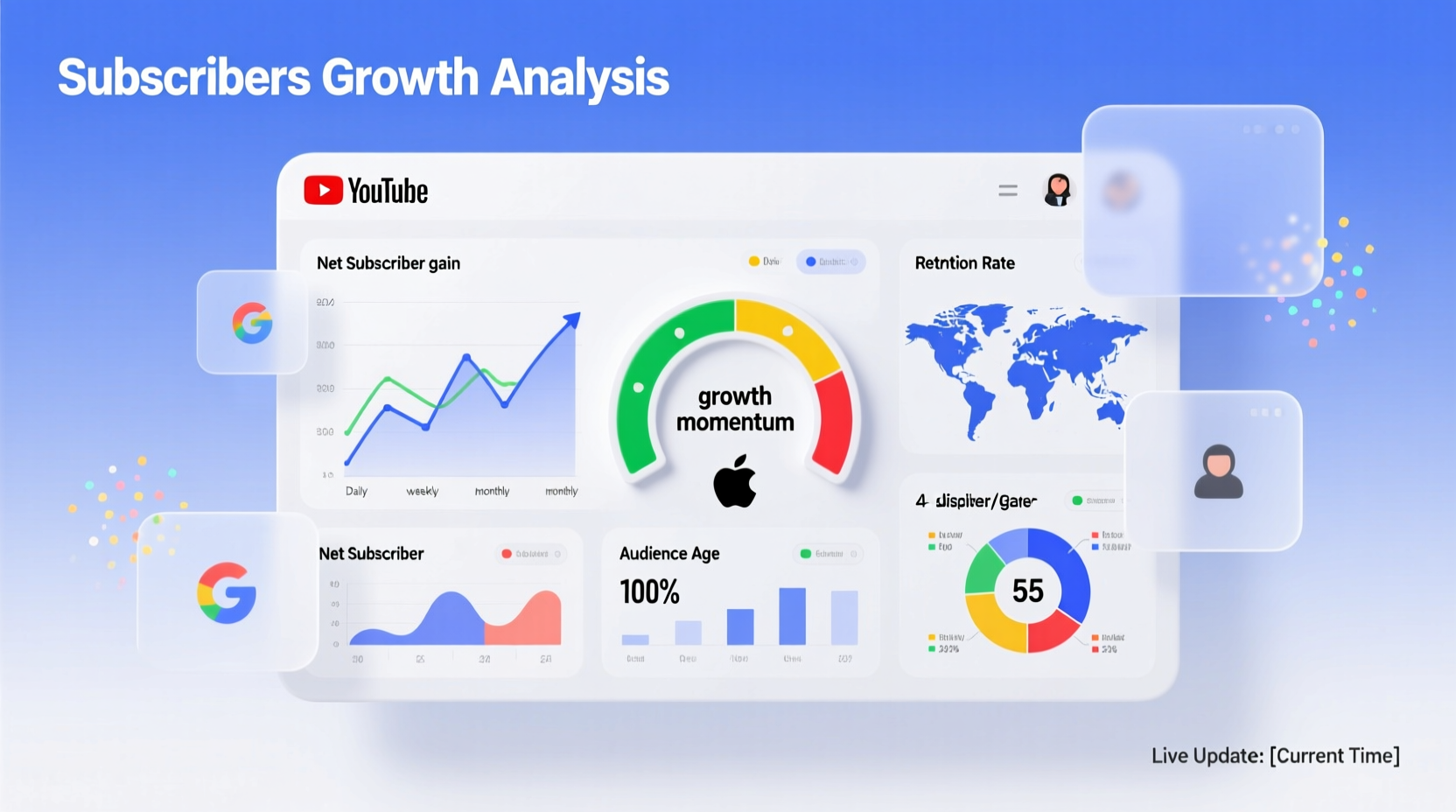
YouTube Analytics provides a wealth of subscriber metrics, but interpreting them correctly is key. The platform tracks net subscriber change (gains minus losses), demographics, traffic sources, and when subscribers engage after joining. However, it doesn’t show individual identities or exact reasons for unsubscribing. Relying solely on total subscriber count can be misleading—especially if you're gaining 1,000 new subscribers but losing 800 in the same period.
Instead, focus on trends over time. A sudden spike may result from a viral video or external promotion, while steady, organic growth often signals strong audience alignment. Pay attention to retention rates post-subscription: Are new subscribers watching multiple videos, or do they disappear after one view? This reveals whether your content continues to deliver value after the initial hook.
“Subscriber growth without engagement is like building a house on sand. The real metric isn’t just how many join—it’s how many stay and interact.” — Sarah Lin, YouTube Strategy Consultant
Use YouTube Studio to Track Key Subscriber Metrics
Your primary tool for monitoring subscribers is YouTube Studio. Navigate to the “Audience” tab to access detailed reports. Here’s what to look for:
- Net Subscribers Gained/Lost: View daily, weekly, or monthly trends. Identify spikes and correlate them with specific videos or promotional efforts.
- Subscriber Demographics: Age, gender, and geographic location help tailor content tone, language, and scheduling.
- Traffic Sources for Subscribers: See whether people subscribe from search, suggested videos, external links, or playlists. This informs where to focus optimization efforts.
- When Subscribers Watch: Learn how soon after subscribing users return to watch more content. High early engagement suggests strong content relevance.
Set up weekly check-ins with these reports. Export data monthly to build a historical dataset for deeper trend analysis.
Step-by-Step Guide to Analyzing Subscriber Trends
To extract meaningful insights, follow this structured approach every month:
- Download Your Monthly Audience Report from YouTube Studio (Audience > Overview).
- Identify Net Subscriber Change and note any anomalies—unusual drops or surges.
- Correlate Changes with Content: Match spikes or dips with recent uploads, thumbnails, titles, or external promotions.
- Analyze Traffic Sources for new subscribers. If most come from Suggested Videos, your algorithm alignment is strong.
- Review Demographics to ensure your content still resonates with your core audience.
- Check Engagement Post-Subscription: Do new subscribers watch beyond the first video?
- Adjust Strategy: Double down on high-performing content types and refine underperforming ones.
Compare Subscriber Behavior: What Works vs. What Doesn’t
| Content Type | Avg. Subscribers Gained per Video | Primary Traffic Source | Watch Time After Sub | Verdict |
|---|---|---|---|---|
| Tutorial: “How to Edit Vertical Videos in DaVinci Resolve” | +210 | Search | 78% | High intent, evergreen appeal |
| Vlog: “My First Time at VidCon” | +45 | Suggested | 42% | Low retention, fleeting interest |
| Shorts Compilation: “Top 5 Phone Hacks” | +380 | Shorts Feed | 29% | High reach, low conversion to loyal viewers |
| Series Premiere: “DIY Home Office Makeover (Ep. 1)” | +150 | Suggested + Playlists | 85% | Strong series potential, high retention |
This comparison reveals that while Shorts bring volume, long-form tutorials and serialized content generate higher-quality subscribers—those who watch more and stay engaged. Use such tables to prioritize content formats that align with sustainable growth goals.
Real Example: How a Cooking Channel Optimized Subscriber Retention
Jessica runs a mid-sized cooking channel focused on quick vegan meals. Over three months, she noticed her subscriber count grew by 12,000—but watch time remained flat. Using YouTube Studio, she discovered that 70% of new subscribers came from two viral Shorts, but only 22% watched a second video.
She adjusted her strategy: She added end screens linking to her beginner-friendly playlist, updated her channel banner to highlight her most popular tutorial series, and created a pinned comment on viral Shorts directing viewers to her “Start Here” video. Within six weeks, the percentage of new subscribers watching multiple videos jumped to 58%, and overall session duration increased by 34%.
This case illustrates that attracting subscribers is only half the battle—guiding them to deeper content ensures lasting engagement.
Actionable Checklist: Optimize Subscriber Monitoring Today
Implement these steps immediately to improve your subscriber analysis:
- ✅ Access YouTube Studio’s Audience report weekly
- ✅ Identify which videos drove the most net subscriber gains
- ✅ Note geographic and age demographics of your core subscribers
- ✅ Check traffic sources for new subscribers
- ✅ Measure average view duration for subscribers in the first 7 days
- ✅ Create a spreadsheet to track monthly trends
- ✅ Adjust content calendar based on high-retention topics
- ✅ Use cards and end screens to guide new subscribers to cornerstone content
Frequently Asked Questions
Why am I gaining subscribers but not views?
This often happens when content attracts one-time viewers—common with click-driven titles or viral Shorts. These subscribers may not engage further. Focus on improving content relevance and guiding new subscribers to binge-worthy playlists.
Can I see who unsubscribed from my channel?
No. YouTube protects user privacy and does not disclose individual unsubscribe activity. Instead, monitor net loss trends and correlate them with content changes or audience shifts.
How long does it take for subscriber data to update in YouTube Studio?
Data typically updates within 48 hours. Real-time reports show views and likes quickly, but demographic and subscription details may take longer to process due to privacy-safe aggregation.
Turn Data Into Growth
Accurate subscriber monitoring isn’t about chasing numbers—it’s about understanding the story behind them. When you analyze who subscribes, how they behave, and what content drives meaningful growth, you shift from guessing to strategizing. Use YouTube Studio not as a scoreboard, but as a diagnostic tool. Let each insight refine your next video, optimize your thumbnails, or reshape your content pillars.
The most successful creators aren’t those with the most subscribers—they’re the ones who know their audience best. Start treating subscriber analytics as a continuous feedback loop. Refine, test, and repeat. Over time, small data-informed adjustments compound into remarkable, sustainable growth.




 浙公网安备
33010002000092号
浙公网安备
33010002000092号 浙B2-20120091-4
Comments
No comments yet. Why don't you start the discussion?