
Balcony windows offer a seamless connection between indoor comfort and outdoor views, but they can also expose your personal space to neighbors, passersby, and prying eyes. The challenge lies in maintaining visual privacy while preserving the abundant natural light that makes balconies so inviting. Many people assume that adding privacy means installing heavy curtains or opaque panels—but this doesn’t have to be the case. With thoughtful design choices and modern materials, you can enjoy both seclusion and sunlight.
This guide explores practical, aesthetically pleasing solutions that balance privacy with brightness. From innovative window films to strategic plant placement, these methods are designed for real-world application in apartments, townhouses, and high-rise living spaces where privacy is limited but light is precious.
Choose the Right Window Films
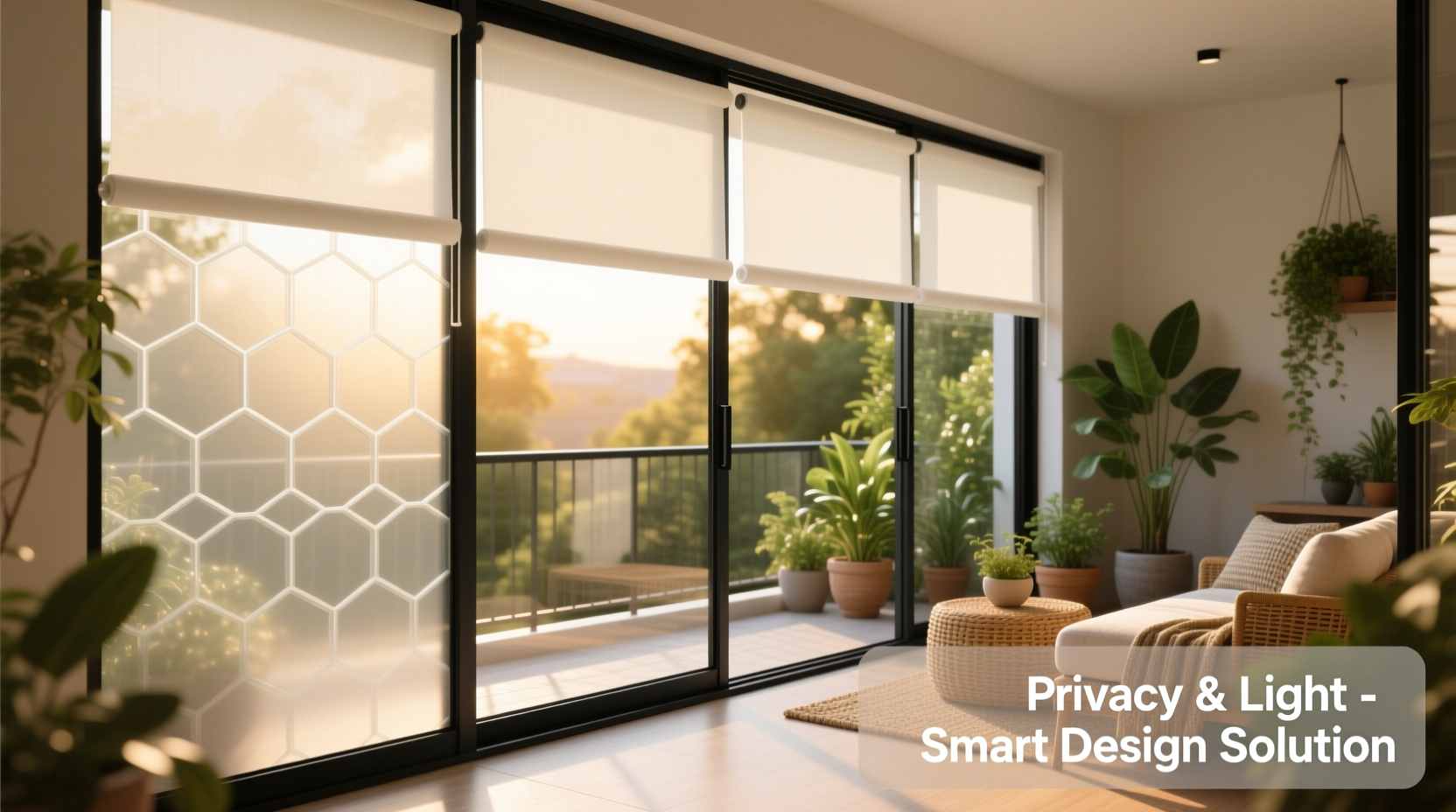
Window films are one of the most effective tools for enhancing balcony privacy without dimming your space. These thin adhesive layers apply directly to glass surfaces and come in various finishes—some reflective, some frosted, others patterned. The key is selecting a film that obscures direct visibility while still transmitting diffused daylight.
Frosted or etched glass films are particularly popular. They scatter light evenly across the room, eliminating harsh glares while preventing outsiders from seeing inside clearly. One-way mirror films work differently: they reflect light during the day, making it difficult to see in from the outside while allowing clear outward visibility. However, they lose effectiveness at night when interior lights are on.
Types of Privacy Window Films Compared
| Type | Privacy Level | Light Transmission | Best For | Considerations |
|---|---|---|---|---|
| Frosted/Textured | High (obscures view) | Medium to High | Bathrooms, shared buildings | Reduces clarity; not ideal if you want to see out clearly |
| One-Way Mirror | Daytime only | High | Sunny urban balconies | Reverses at night; requires brighter exterior than interior |
| Tinted UV-Blocking | Low to Medium | Medium | Heat reduction + mild privacy | Dims light slightly; better for glare control |
| Patterned Decorative | Medium | High | Stylish aesthetic enhancement | Variety of designs; partial visibility depending on pattern density |
Use Sheer or Light Filtering Curtains
Curtains remain a timeless solution, but the fabric and installation method make all the difference. Traditional blackout drapes block both sight and sunlight—an unnecessary trade-off for most balcony settings. Instead, opt for sheer or semi-sheer fabrics like voile, linen blends, or lightweight polyester.
These materials diffuse incoming light softly, creating a warm ambiance while blurring interior details. When closed, they obscure silhouettes and movement without plunging the room into shadow. For maximum flexibility, install a ceiling-mounted track system that allows you to open or close the panels as needed throughout the day.
“Lightweight textiles are essential in compact urban environments. They offer psychological privacy—the sense of being shielded—even when physical barriers are minimal.” — Lena Torres, Interior Designer & Urban Living Specialist
To enhance functionality, consider double-layer systems: a sheer curtain for daytime use and a removable blackout liner for evening hours. This approach gives full control over lighting and privacy based on time of day and activity.
Install Smart Glass or Switchable Panels (Advanced Option)
For those seeking a high-tech solution, switchable glass technology offers unparalleled versatility. Also known as “smart glass,” this material changes opacity with the flip of an electrical switch. In its clear state, it functions like regular glass; when activated, it turns milky white, providing instant privacy.
While more expensive than films or curtains, smart glass integrates seamlessly into modern architecture and eliminates the need for additional window treatments. It’s especially useful in minimalist interiors where clutter-free aesthetics are prioritized. Some systems even integrate with home automation platforms, allowing voice or app-based control.
Though currently cost-prohibitive for many renters, smart glass is becoming more accessible through modular retrofit kits that attach to existing windows. As demand grows, prices are expected to decline, making it a viable long-term investment for homeowners.
Incorporate Strategic Greenery
Plants provide natural screening that evolves with the seasons. Tall potted grasses like bamboo, fakahatchee grass, or cordyline can be arranged along the balcony edge to create a living wall. Their vertical growth blocks ground-level views while permitting overhead light to filter through gaps in the foliage.
For upper-floor units, hanging planters with trailing vines such as ivy, string of pearls, or creeping fig soften the perimeter and visually break up lines of sight. Choose fast-growing, low-maintenance species suited to your climate and sun exposure.
A real example illustrates this well: Maria, a resident of a downtown Toronto condo, struggled with overlooked views from her 12th-floor balcony. By placing three tall urns with dwarf bamboo along the railing and adding two hanging baskets of variegated ivy, she created a green screen that blocked nosy neighbors across the courtyard. Her living room remained flooded with morning light, and the plants improved air quality and reduced noise.
Step-by-Step Guide: Creating a Natural Privacy Screen
- Assess sightlines: Stand outside your balcony and identify angles from which your interior is visible.
- Measure available space: Determine how many planters can fit along the rail or floor without obstructing movement.
- Select appropriate plants: Prioritize height, density, and sun tolerance. Avoid thorny or allergenic species.
- Arrange in layers: Place taller plants at eye level and shorter or trailing varieties above or below.
- Maintain regularly: Trim overgrowth to maintain airflow and prevent mold; rotate pots for even growth.
Explore Alternative Materials and Structures
Beyond films and plants, several architectural elements can enhance privacy without enclosing the space completely. Lattice panels made from wood, metal, or recycled composites allow air and light to pass while disrupting direct lines of vision. Mounted vertically on the balcony railing or integrated into side walls, they serve as excellent supports for climbing plants.
Another option is perforated metal screens. These industrial-style panels feature geometric cutouts that cast interesting shadows indoors while shielding against unwanted attention. Because the openings are small and patterned, they obscure detail but transmit significant daylight.
Retractable shades offer mechanical flexibility. Solar shade screens with 80% openness factor block UV rays and reduce glare while maintaining outward visibility and inward illumination. Motorized versions can be programmed to lower automatically during peak sun hours or when motion sensors detect nearby activity.
Do’s and Don’ts of Balcony Privacy Solutions
| Do | Don't |
|---|---|
| Test samples of film or fabric in your actual lighting conditions | Install permanent fixtures without checking building regulations |
| Use layered approaches (e.g., film + sheer curtain) | Rely solely on one-way mirror film at night |
| Choose weather-resistant materials for outdoor exposure | Block emergency exits or hinder ventilation |
| Optimize plant placement for seasonal sun angles | Overcrowd the balcony with too many obstacles |
| Consider motorized options for hard-to-reach areas | Ignore wind load—secure all additions properly |
Checklist: How to Add Privacy Without Blocking Light
- Identify primary sources of unwanted visibility (adjacent buildings, street level, etc.)
- Evaluate local regulations—some complexes restrict external modifications
- Choose non-permanent solutions if renting (films, freestanding screens, movable plants)
- Prioritize materials that diffuse rather than absorb light
- Combine multiple techniques for adaptable privacy (e.g., film + retractable shade)
- Ensure all installations are safe, stable, and compliant with fire codes
- Monitor performance throughout the day and adjust as needed
Frequently Asked Questions
Can I use window film if I rent my apartment?
Yes, most privacy window films are removable and won’t damage glass when applied correctly. They’re considered temporary modifications and are generally acceptable by landlords, but always check your lease agreement before installation.
Will plants really provide enough privacy?
Dense, tall plants can offer moderate privacy, especially when grouped together. While they may not block every line of sight, they disrupt visual continuity and make it difficult to focus on interior details. Combine them with other methods for best results.
What’s the cheapest way to gain balcony privacy?
Applying frosted window film is typically the most affordable and effective starting point. Paired with inexpensive sheer curtains or DIY lattice panels, it creates a layered defense at minimal cost.
Conclusion: Balance Light and Seclusion Thoughtfully
Privacy on a balcony doesn’t require sacrificing sunlight or scenic views. By combining intelligent materials, adaptive technologies, and natural elements, you can craft a personal retreat that feels secure yet open. Whether you live in a bustling city center or a quiet suburban complex, the right balance of transparency and concealment transforms your outdoor space into a functional extension of your home.
Start small—try a sample of frosted film or add a single tall planter—and observe how it affects your comfort and light levels. Over time, refine your setup based on daily patterns, seasonal changes, and personal preferences. With careful planning, your balcony can become a private sanctuary bathed in natural light.




 浙公网安备
33010002000092号
浙公网安备
33010002000092号 浙B2-20120091-4
Comments
No comments yet. Why don't you start the discussion?