
Static Christmas lights offer a clean, elegant glow—but sometimes you want more movement and magic in your holiday display. While twinkling or chasing lights are often sold as separate strands, many homeowners already own dozens of feet of steady-burning LED or incandescent string lights. Rather than discarding them or purchasing new sets, there’s an innovative solution: use light diffusers creatively to simulate a flicker or twinkle effect.
This technique leverages the physics of light diffusion and motion to create dynamic visual interest from otherwise unchanging sources. With simple household materials and a few strategic modifications, you can transform your static lights into something that feels alive—perfect for mantles, trees, porches, or indoor centerpieces.
Understanding Light Diffusion and Visual Perception
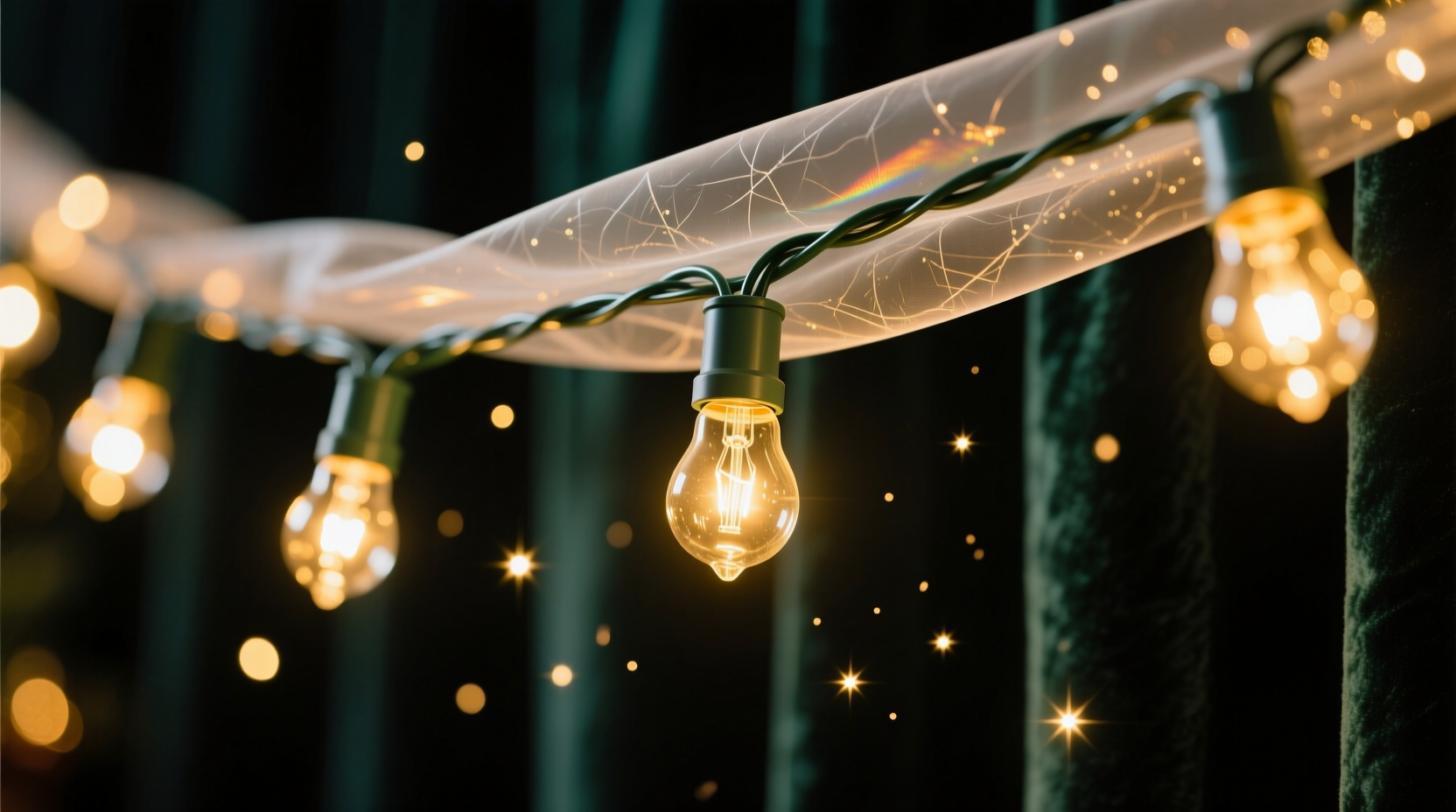
Light diffusion refers to the scattering of light rays through translucent or semi-transparent materials. When light passes through such media, it softens, spreads, and loses sharp directional focus. This principle is commonly used in photography, stage lighting, and interior design to reduce glare and produce ambient illumination.
In the context of Christmas lights, diffusion alone won’t make static bulbs appear to blink. However, when combined with subtle motion—either from air currents, mechanical vibration, or textured surfaces—the diffused light shifts continuously across surfaces. These micro-changes trick the human eye into perceiving flicker or sparkle, mimicking the behavior of traditional twinkling lights.
The key lies not in changing the bulb’s output but in altering how its light interacts with space and time. As shadows shift and highlights dance due to surface imperfections or movement, the brain interprets these variations as intermittent flashes—even though the source remains constant.
“Perception is everything in decorative lighting. A well-diffused, gently moving light field can feel more organic and festive than programmed blinking.” — Daniel Reeves, Lighting Designer & Holiday Display Consultant
Materials and Tools Needed
Creating a twinkle effect with diffusers doesn't require specialized equipment. Most items can be sourced from craft stores, hardware aisles, or repurposed from around the home. Below is a checklist of recommended supplies:
Essential Supplies
- Static Christmas light strands (LED or incandescent)
- Translucent diffuser material (e.g., frosted plastic sheets, parchment paper, vellum, tissue paper)
- Heat-resistant tape or clips (especially if using near warm bulbs)
- Scissors or rotary cutter
- Wire or twist ties (for securing diffusers to frames)
- Optional: small fans, mobiles, or hanging ornaments to introduce motion
Recommended Diffuser Materials
| Material | Diffusion Quality | Heat Resistance | Motion Responsiveness |
|---|---|---|---|
| Frosted acrylic sheet | High | Excellent | Moderate (requires external movement) |
| Parchment paper | Medium-High | Good (safe up to 420°F) | High (lightweight, flutters easily) |
| Vellum paper | Medium | Fair (keep away from hot bulbs) | Very High (delicate, responsive) |
| Tissue paper | Low-Medium | Poor (flammable) | Extreme (moves with slightest breeze) |
| Plastic report covers (matte finish) | Medium | Good | Moderate |
Step-by-Step Guide: Applying Diffusers for Twinkling Effects
Follow this structured approach to achieve realistic twinkling on any static light strand. The method works best indoors where airflow and control are easier to manage, but adaptations exist for sheltered outdoor use.
- Assess Your Light Setup: Identify areas where diffusers will have maximum visual impact—such as behind sheer curtains, inside glass jars, or along mantelpieces. Avoid covering entire strands unless aiming for a uniform ambient effect.
- Cut Diffuser Pieces: Cut your chosen material into small squares, circles, or strips—approximately 1–2 inches wide. Smaller pieces allow individual bulbs to be targeted, increasing variation in light patterns.
- Attach Gently to Bulbs or Wires: Wrap each piece loosely around the bulb base or position it just above the filament. Secure with heat-safe tape or clip with folded wire. Do not obstruct ventilation or touch hot surfaces directly.
- Introduce Controlled Motion: Place lightweight diffusers near gentle air sources—ceiling fans on low, HVAC vents, or open windows. Alternatively, suspend them from thin fishing line so they sway naturally.
- Layer Multiple Textures: Combine different materials (e.g., vellum + frosted plastic) at varying heights to create depth. As light scatters unevenly, the interplay produces random bright spots resembling starlight.
- Evaluate and Adjust: Turn off room lights and observe the effect after dark. Look for unnatural rhythms or dead zones. Re-position or resize diffusers until the sparkle appears organic and widespread.
For outdoor applications, consider mounting diffusers inside sealed mason jars or transparent lanterns. The enclosed space protects flammable materials while trapping minor breezes that cause internal fluttering. Position these units along walkways or railings where wind flow enhances motion.
Real-World Example: Transforming a Front Porch Display
Sarah Thompson, a homeowner in Portland, Oregon, had invested in several strands of warm-white LED icicle lights for her eaves. Each strand provided consistent illumination but lacked the whimsy she remembered from childhood holidays. After researching alternatives, she decided to experiment with parchment paper diffusers instead of buying new twinkling strings.
She cut 1.5-inch squares from food-safe parchment rolls and carefully wrapped one around every third bulb, securing them with miniature binder clips attached to the wire frame. She then mounted small bamboo wind chimes nearby—not for sound, but to catch breezes and cast shifting shadows across the diffused bulbs.
Within minutes of dusk, neighbors began commenting on the “new twinkling lights.” In reality, none of the bulbs had changed; only their interaction with moving textures had been altered. By week’s end, Sarah received three requests for DIY advice. Her total cost: under $7 and less than an hour of work.
“It looked like stars were winking through fog. I didn’t expect such a big change from something so simple.” — Sarah Thompson, DIY Enthusiast
Do’s and Don’ts of Using Diffusers Safely
Safety is paramount when modifying electrical decorations. While diffusers themselves aren’t powered, improper placement can lead to overheating, fire hazards, or premature bulb failure—especially with older incandescent models.
| Action | Recommendation |
|---|---|
| Do use flame-resistant or high-heat-tolerant materials near incandescent bulbs | Yes – frosted acrylic, tempered glass sleeves, ceramic-coated fabrics |
| Don’t wrap diffusers tightly around bulbs | No – restricts heat dissipation and increases burn risk |
| Do place diffusers between bulbs and viewing angles | Yes – maximizes diffusion without direct contact |
| Don’t use tissue paper or napkins near exposed filaments | No – highly flammable even with brief exposure |
| Do monitor temperature during initial testing | Yes – check every 15 minutes for first hour |
| Don’t leave modified setups unattended overnight | No – always turn off when sleeping or leaving house |
Advanced Techniques for Enhanced Realism
Once comfortable with basic diffusion, explore layered methods to increase complexity and realism:
- Shadow Puppetry: Suspend crumpled aluminum foil or perforated cardboard slightly above the lights. As diffused beams pass through irregular holes, they project moving speckles on walls and ceilings.
- Water Ripple Effect: Place a shallow tray of water with floating wax paper shapes above submersible-safe light strings (fully sealed). Natural convection creates undulating reflections that mimic underwater shimmer.
- Rotating Diffuser Wheel: Attach small diffuser tabs to a slow-spinning motor (like those from old CD players). Positioned in front of a spotlight-style floodlight, this casts rhythmic pulses across large displays.
These advanced tactics require more effort but yield dramatic results suitable for public displays or photo shoots. All components should remain electrically isolated and operated under supervision.
Frequently Asked Questions
Can I wash or reuse my diffuser materials?
Washing depends on the material. Frosted acrylic sheets can be wiped with damp cloths and reused for years. Paper-based options like vellum or parchment may yellow or tear after repeated handling and should be replaced annually. Store flat in dry containers to prevent warping.
Will this work with smart lights or color-changing LEDs?
Absolutely—and often with enhanced effect. Since smart lights already vary intensity or hue, adding physical diffusion amplifies the sense of motion. Just ensure diffusers don’t interfere with built-in sensors or Wi-Fi antennas.
Is this method safe for children and pets?
When installed correctly, yes. Keep all diffusers out of reach, especially lightweight papers that could be chewed or pulled down. Use only cool-running LEDs in homes with curious hands or paws. Regularly inspect attachments for looseness.
Final Thoughts: Sparkle Without the Upgrade
You don’t need programmable LEDs or expensive controllers to bring life to your holiday lighting. Sometimes, the most enchanting effects come not from technology, but from understanding how light behaves in the real world. By harnessing diffusion and motion, you can turn static glows into mesmerizing twinkles—breathing new magic into familiar fixtures.
This method celebrates resourcefulness, safety, and seasonal creativity. It honors the lights you already own while expanding their expressive potential. Whether you’re enhancing a single window display or reimagining your entire façade, the diffuser technique offers a sustainable, budget-friendly alternative to constant replacement.




 浙公网安备
33010002000092号
浙公网安备
33010002000092号 浙B2-20120091-4
Comments
No comments yet. Why don't you start the discussion?