
Static LED Christmas lights provide reliable, energy-efficient illumination, but they often lack the whimsical charm of twinkling bulbs. While many opt for pre-programmed twinkle strings, there's a creative and cost-effective alternative: simulating movement and flicker using physical diffusers. By manipulating how light disperses through materials, you can create the illusion of randomness and sparkle—transforming flat, steady glows into something that dances like candlelight. This guide explores practical methods, materials, and techniques to add a twinkle-like effect to your static LEDs using diffusers, without electronics or rewiring.
Understanding Light Diffusion and Visual Perception
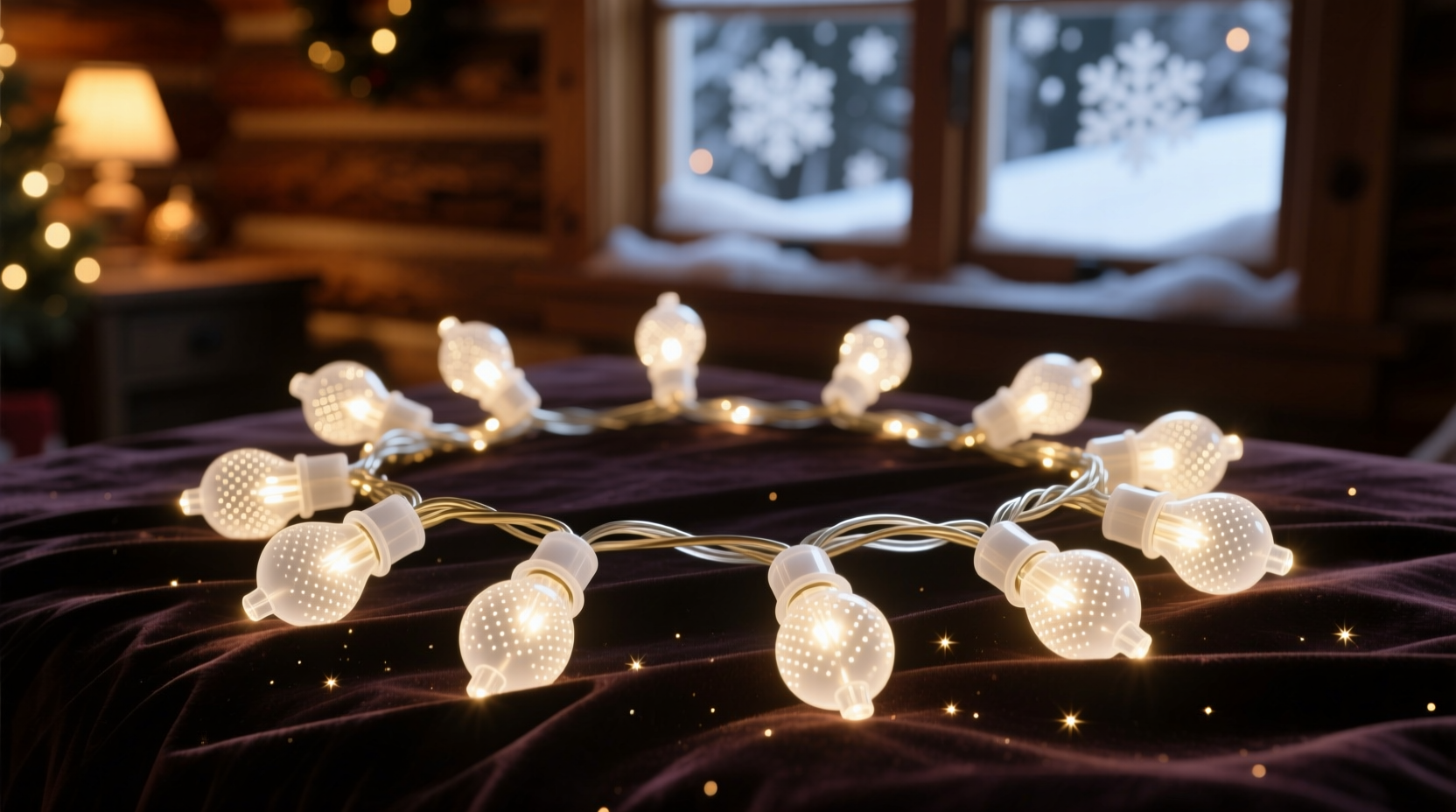
Before modifying your display, it’s essential to understand how human eyes interpret light. Static LEDs emit a consistent beam, which the brain registers as fixed and predictable. A true “twinkle” involves variation in brightness, timing, and direction—elements typically achieved with blinking circuits. However, by introducing motion or texture between the light source and the observer, you can trick the eye into perceiving fluctuation.
Different materials scatter light in unique ways. Translucent surfaces break up beams, softening edges and creating gradients. When air currents, vibrations, or manual movement shift these materials slightly, the scattered light shifts too—producing subtle changes in intensity and shape. Over multiple bulbs, this micro-movement accumulates into a collective shimmer that mimics twinkling.
“Perceived motion in lighting design often relies more on context than actual change. A slight distortion in diffusion can make stillness feel alive.” — Dr. Lena Torres, Lighting Psychologist, Institute of Environmental Aesthetics
Materials That Work Best as Dynamic Diffusers
Not all translucent materials are equally effective. The ideal diffuser must balance opacity, texture, and flexibility. Rigid or overly clear materials won’t scatter enough light, while thick or dark ones may block too much. Below is a comparison of common household items tested for their ability to enhance visual dynamics in static LED setups.
| Material | Light Transmission | Movement Sensitivity | Best Use Case |
|---|---|---|---|
| White tissue paper (single layer) | High | Medium | Indoor mantles, ceilings |
| Frosted plastic shower curtain strips | Medium-High | High | Outdoor railings, eaves |
| Plastic ice cube trays | Low-Medium | Low | Decorative covers (static only) |
| Prism beads or acrylic sequins on thread | Variable | Very High | Wind-activated displays |
| Muslin fabric (sheer cotton) | High | Medium | Indoor draping, window frames |
The most successful diffusers combine translucency with irregular surface geometry. For instance, textured shower curtain fragments refract light unevenly across their ridges, producing shifting hotspots when gently swayed. Similarly, hanging individual prism beads above each bulb introduces momentary flashes as they rotate—even from minor air drafts.
Step-by-Step: Creating a Twinkle Effect Using Physical Diffusers
This method requires no electrical modifications and works with any standard string of non-blinking LED lights. Follow these steps to achieve a natural-looking flicker effect.
- Evaluate your installation environment: Determine whether the area has airflow (indoor HVAC, outdoor breeze). Air movement enhances passive animation; still spaces will need mechanical assistance.
- Select diffuser material: Choose based on location. Use flame-resistant fabrics indoors, weatherproof plastics outdoors.
- Cut and shape diffusers: For tissue or fabric, cut squares 2–3 inches larger than each bulb. For rigid plastics, drill small holes to fit over base or suspend above.
- Attach diffusers loosely: Do not seal tightly around bulbs. Allow room for air circulation and vibration. Use twist ties, fishing line, or adhesive clips that permit slight motion.
- Incorporate reflective elements: Add small mirrors, metallic tinsel strands, or holographic stickers beneath or beside bulbs to bounce changing highlights onto walls or trees.
- Introduce controlled motion: In stagnant areas, place a low-speed fan nearby (not directly blowing) or hang diffusers from thin wires that respond to footstep vibrations.
- Test and refine: Observe the display at different times. Adjust spacing, material thickness, or positioning until flicker appears organic, not distracting.
The key is imperfection. Perfect symmetry kills the illusion. Vary diffuser sizes slightly or mix materials across the strand so some bulbs shimmer softly while others flash briefly—this irregularity mimics the randomness of real stars.
Real Example: Transforming a Porch Rail Display
Sarah Kim in Portland, Oregon, wanted holiday curb appeal but disliked the artificial rhythm of commercial twinkle lights. She had 100-count warm-white LEDs installed along her wooden porch railing. After researching alternatives, she purchased a pack of frosted plastic shower curtain rings (meant for decorative hooks), cutting each into C-shaped arcs.
Using clear fishing line, she suspended one arc about 1 inch above every third bulb, allowing them to rotate freely. She also draped sheer white muslin loosely behind the entire string, stapled at staggered heights. On calm nights, ambient house vibrations caused faint wobbles. On windy evenings, the arcs spun slowly, casting rippling shadows.
Neighbors reported thinking she’d upgraded to programmable lights. In reality, Sarah spent under $12 and retained her original energy-efficient setup. Her solution lasted three seasons with minimal maintenance—just occasional dusting and re-tying of loose lines.
Checklist: Preparing Your Diffuser-Enhanced Light Setup
- ☐ Confirm all LED bulbs are functioning before adding diffusers
- ☐ Choose non-flammable, weather-appropriate materials
- ☐ Ensure diffusers do not trap heat around bulbs (especially important for enclosed fixtures)
- ☐ Position diffusers to allow airflow or mechanical movement
- ☐ Avoid covering sockets or electrical connections
- ☐ Test the arrangement at night before finalizing placement
- ☐ Mark locations for seasonal reuse next year
Avoiding Common Mistakes
Even well-intentioned modifications can backfire if not carefully executed. Here are frequent errors and how to prevent them:
- Over-diffusing: Too many layers or dense materials turn bright lights into dim blobs. Stick to one lightweight layer per bulb unless layering for artistic effect.
- Restricting ventilation: Enclosing LEDs completely risks overheating, even with low-wattage diodes. Always leave escape routes for heat.
- Ignoring wind load (outdoors): Large or rigid diffusers act like sails in strong gusts, potentially pulling down wiring. Secure support lines independently of light strings.
- Uniform attachment: If every diffuser hangs identically, motion becomes synchronized, creating a wave effect instead of random twinkle. Vary lengths and angles.
FAQ: Frequently Asked Questions
Can I use tape to attach diffusers?
Use caution. Adhesives can degrade under temperature swings and UV exposure, especially outdoors. If using tape, choose outdoor-rated double-sided foam tape or silicone-based mounting dots. Never apply adhesive directly to LED lenses.
Will this work with colored LEDs?
Yes—and often more effectively. Colored light intensifies when filtered through tinted or iridescent diffusers. Try combining red LEDs with amber cellophane snippets for a glowing ember effect.
Do diffusers shorten LED lifespan?
Generally, no. LEDs produce little infrared heat, so moderate diffusion poses no risk. However, enclosing bulbs in sealed, non-porous casings may trap residual warmth. As long as air can circulate, longevity remains unaffected.
Why This Method Matters in Modern Holiday Lighting
As smart lighting technology advances, many assume physical solutions are obsolete. Yet, there’s enduring value in analog creativity—especially for renters, budget-conscious decorators, or those avoiding electronic waste. Adding twinkle effects via diffusers aligns with sustainable design principles: extending the usefulness of existing products, minimizing power draw, and reducing reliance on programmed obsolescence.
Moreover, this approach fosters personalization. No algorithm dictates the blink pattern. Instead, nature and environment shape the display—each gust of wind, step on the floor, or shift in indoor air contributing to a unique, unrepeatable show.
“The most memorable holiday displays aren’t the brightest or most complex—they’re the ones that feel alive. Sometimes, life comes from physics, not firmware.” — Marcus Bell, Urban Light Artist & Installation Designer
Conclusion
You don’t need new lights or digital controllers to bring magic to your holiday decor. With thoughtful use of diffusers, static LED Christmas lights can gain the soulful flicker of old-world charm. The technique blends science, observation, and craftsmanship—turning simplicity into spectacle. Whether you're enhancing a mantle garland or reimagining an outdoor tree, the tools are accessible, the process reversible, and the results surprisingly convincing.




 浙公网安备
33010002000092号
浙公网安备
33010002000092号 浙B2-20120091-4
Comments
No comments yet. Why don't you start the discussion?