
Bringing home a rescue dog is one of the most rewarding decisions a pet owner can make. However, the first week sets the tone for your new companion’s adjustment to family life. Rescue dogs often come from uncertain or traumatic backgrounds, making patience, structure, and empathy essential. A well-planned approach ensures both you and your dog build trust quickly and begin a healthy, lasting relationship.
This guide walks through every step of the first seven days with your new dog, offering actionable strategies, real-world insights, and a detailed checklist to help ensure a smooth transition. Whether you’re adopting an adult dog or a puppy, these practices will reduce anxiety, prevent behavioral setbacks, and create a foundation for long-term success.
Prepare Your Home Before Arrival
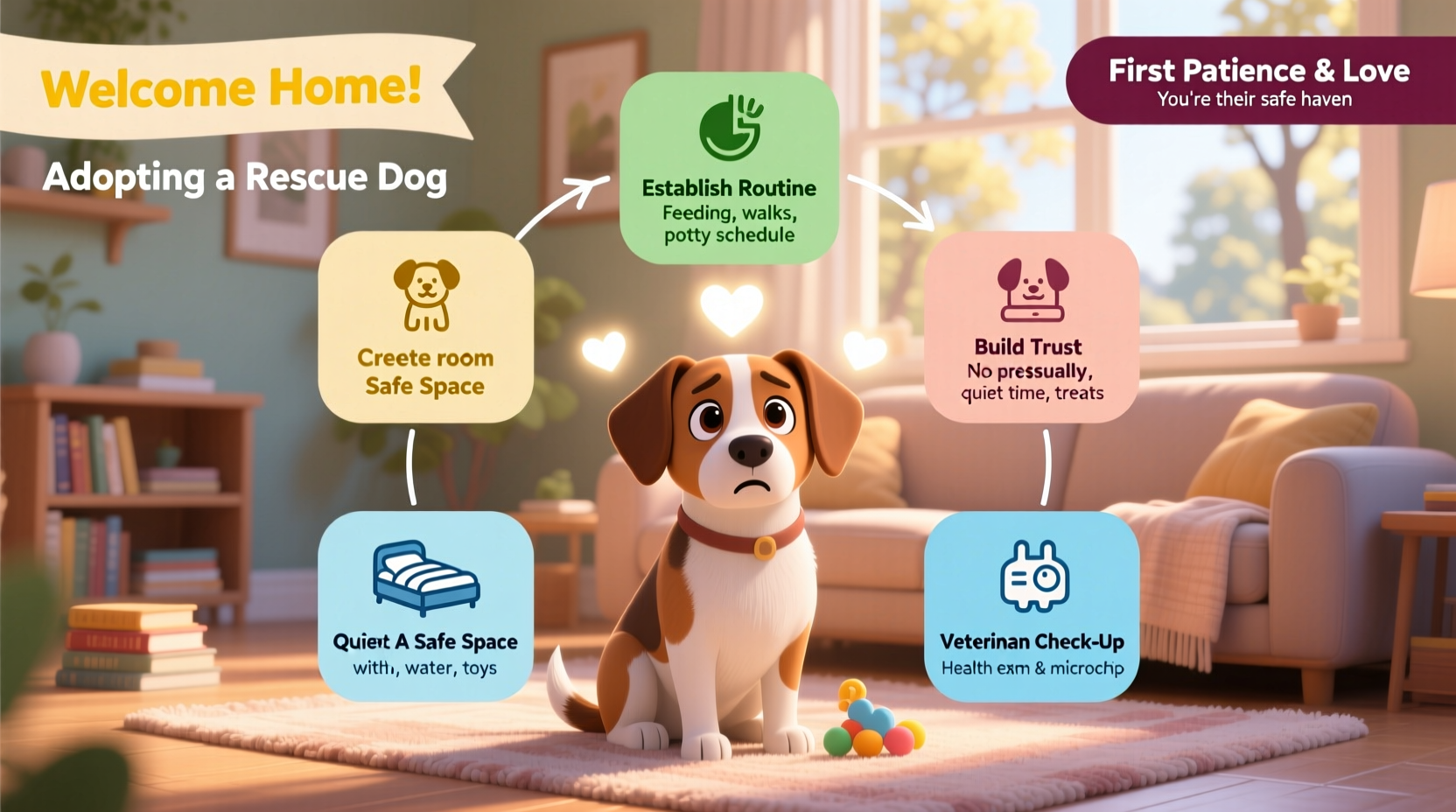
The environment you provide on day one plays a crucial role in how quickly your rescue dog settles in. Dogs rely heavily on routine and scent cues, so preparing your space ahead of time minimizes stress.
Start by designating a quiet area—preferably a spare room, laundry space, or enclosed section of a low-traffic room—as your dog’s safe zone. This should include a comfortable bed, water bowl, chew-safe toys, and possibly a piece of clothing with your scent. Avoid overwhelming them with too much freedom at once; confinement to a calm space allows them to decompress.
Remove hazards such as loose electrical cords, toxic houseplants (like lilies or philodendrons), and small objects they might swallow. Secure trash cans and block access to stairs or rooms not yet approved for exploration.
Stock up on essentials before pickup: high-quality food matching what the shelter provided (to avoid digestive upset), a collar with ID tags, a harness, leash, poop bags, grooming supplies, and cleaning products for accidents. Having everything ready eliminates last-minute trips that could leave your dog alone and stressed.
First 24 Hours: Patience Over Play
Rescue dogs often experience sensory overload when transitioning from a shelter to a home. The sounds, smells, and social interactions are drastically different. Resist the urge to cuddle, play, or take long walks right away. Instead, prioritize calm observation and gentle reassurance.
Upon arrival, let your dog explore their safe space at their own pace. Do not force interaction. Sit nearby quietly, perhaps reading a book or scrolling on your phone, allowing them to approach when ready. Speak softly and move slowly—sudden gestures can be frightening.
Offer water but wait to feed until a few hours after settling in, especially if travel was stressful. If the shelter provides feeding guidelines, follow them closely. Sudden diet changes can lead to vomiting or diarrhea, which complicates bonding and health monitoring.
“Dogs don’t need excitement in the first 24 hours—they need safety. Let the home become a sanctuary, not a stimulation zone.” — Dr. Lena Patel, Veterinary Behaviorist
Day-by-Day Adjustment Timeline
A structured timeline helps owners anticipate emotional shifts and set realistic expectations. Use this guide to track progress without pressure.
- Day 1: Arrive home, introduce safe space, minimal interaction, light meal, monitor behavior.
- Day 2: Begin short potty breaks outside, offer puzzle toy, allow supervised movement beyond safe zone.
- Day 3: Introduce one family member for brief sessions, start leash training in quiet areas.
- Day 4–5: Increase outdoor time, practice basic commands (sit, stay), observe body language for signs of comfort.
- Day 6–7: Gradually expand household access, schedule vet check-up if not already completed, initiate short socialization walks.
Not all dogs progress at the same rate. Some may wag their tail by day three; others may hide for five days. Progress is measured in subtle signs: relaxed posture, approaching for pets, eating without hesitation, or sleeping deeply.
Critical First Week Checklist for Success
Staying organized reduces oversight and builds confidence. Use this checklist to ensure no key steps are missed during the critical first week.
- ✅ Confirm vaccination and medical records from the shelter
- ✅ Schedule initial vet visit within seven days
- ✅ Set up designated safe space with bedding and water
- ✅ Purchase food matching shelter diet (transition over 7–10 days if changing)
- ✅ Install baby gates or crates to manage movement
- ✅ Remove household hazards (cords, toxins, choking risks)
- ✅ Introduce family members gradually and calmly
- ✅ Establish consistent potty routine (every 2–4 hours for adults, more for puppies)
- ✅ Begin positive reinforcement training with treats and praise
- ✅ Monitor for signs of illness (vomiting, diarrhea, lethargy, coughing)
- ✅ Record behaviors and milestones in a journal
- ✅ Initiate microchip registration and license update
Common Mistakes and How to Avoid Them
Even well-meaning adopters can unintentionally hinder their dog’s adjustment. Awareness of common pitfalls improves outcomes significantly.
| Mistake | Why It’s Harmful | Better Approach |
|---|---|---|
| Over-handling on day one | Increases fear and stress; delays trust-building | Allow space, sit quietly nearby, let dog initiate contact |
| Changing diet immediately | Triggers gastrointestinal issues | Mix old and new food over 7–10 days |
| Forcing socialization | Creates negative associations with people | Let dog observe; use treats to build positive links |
| Skipping vet check-up | Misses underlying conditions like parasites or infections | Schedule wellness exam early |
| Ignoring body language | Leads to escalated fear responses (growling, snapping) | Learn signs: tucked tail, lip licking, whale eye, cowering |
One of the most overlooked errors is expecting immediate affection. Many rescue dogs were abandoned, abused, or lived on the streets. They may flinch at touch, avoid eye contact, or refuse treats at first. This doesn’t mean they won’t bond—it means they need time.
Real Example: Bella’s First Week
Bella, a three-year-old mixed breed, arrived from a rural shelter where she had lived since being found stray. She was underweight, fearful of men, and hesitant to eat in front of people. Her adopter, Mark, followed a strict first-week protocol.
He set up a quiet bedroom with a crate, played soft classical music, and sat on the floor reading while Bella observed. For the first two days, she ate only when alone. On day three, she took a treat from his hand. By day six, she allowed gentle petting and followed him into the living room.
Mark avoided taking her to parks or busy sidewalks until week two. Instead, he practiced “name game” (tossing treats when saying her name) and used a clicker for small successes. Within ten days, Bella was sleeping through the night and greeting him at the door.
Her transformation wasn’t magic—it was consistency, patience, and respect for her pace.
Building Trust Through Routine and Positive Reinforcement
Dogs thrive on predictability. Establishing a clear daily rhythm—feeding, potty breaks, quiet time, short training sessions—helps rescue dogs feel secure. Consistency signals that their needs will be met reliably.
Use positive reinforcement exclusively during the first month. Reward desired behaviors like coming when called, sitting calmly, or relaxing on a mat. High-value treats such as boiled chicken or freeze-dried liver work best initially. Avoid punishment or yelling, which erodes trust irreparably.
Short training sessions (3–5 minutes, 2–3 times daily) keep engagement high without overwhelming. Focus on foundational cues: “sit,” “stay,” “come,” and “leave it.” These build communication and give the dog a sense of accomplishment.
Pair new experiences with rewards. For example, if your dog notices a vacuum cleaner without reacting fearfully, mark the moment with a “yes!” and a treat. This teaches them to associate novelty with good outcomes.
Frequently Asked Questions
How long does it take for a rescue dog to adjust?
Adjustment varies widely. Some dogs settle in within a week; others take several months. The “three-three-three rule” is a helpful framework: three days of decompression, three weeks to start showing personality, and three months to fully bond and behave consistently in the home.
Should I let my rescue dog sleep in bed with me?
It’s best to wait until your dog is confident and house-trained. Prematurely inviting them to your bed can blur boundaries and increase separation anxiety. Start with a cozy bed nearby, then reassess after four to six weeks.
What if my rescue dog growls or snaps?
Never punish a fearful reaction. Instead, identify the trigger—such as sudden movements or loud noises—and create distance. Consult a certified dog behavior consultant to develop a desensitization plan. Growling is communication, not defiance.
Final Thoughts and Next Steps
Adopting a rescue dog is not about instant gratification—it’s about creating a second chance. The first week is not the time to expect obedience, tricks, or even affection. It’s the time to lay invisible groundwork: safety, predictability, and compassion.
Every small victory counts. The first voluntary tail wag. The first nap spent curled at your feet. The first time they bring you a toy. These moments emerge from patience, not pressure.
Your role isn’t to fix your dog, but to provide a stable, loving environment where healing can happen naturally. With the right preparation and mindset, your rescue dog won’t just survive—they’ll thrive.




 浙公网安备
33010002000092号
浙公网安备
33010002000092号 浙B2-20120091-4
Comments
No comments yet. Why don't you start the discussion?