
Bringing home a rescue dog is a life-changing experience—for both you and the animal. After likely enduring uncertainty, abandonment, or hardship, your new companion needs patience, structure, and gentle guidance. The first week is critical in shaping their sense of safety, trust, and belonging. A thoughtful approach during these initial days can prevent behavioral setbacks and accelerate bonding. This guide offers a detailed, actionable plan to ensure a smooth transition for your rescue dog—and for your household.
Prepare Your Home Before Arrival
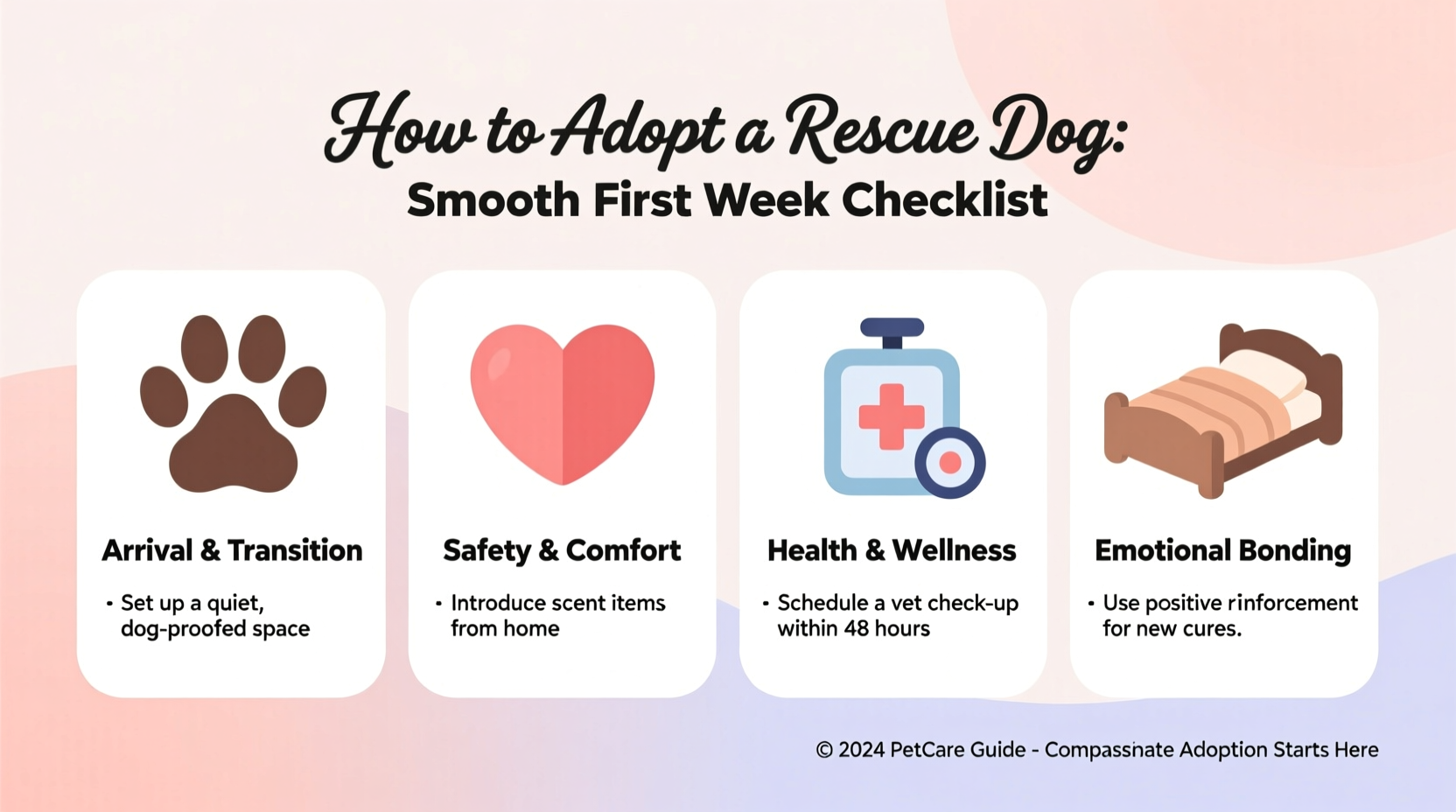
Rescue dogs thrive on predictability. Entering a chaotic or unfamiliar environment can trigger anxiety, fear-based behaviors, or withdrawal. Preparing your space ahead of time minimizes stress and sets clear boundaries from the start.
Begin by designating a quiet area—such as a spare bedroom, laundry room, or enclosed corner of the living space—as your dog’s safe zone. Equip it with a crate (if they’re crate-trained), soft bedding, water bowl, and a few chew-safe toys. Avoid overwhelming them with too many rooms or people initially.
Remove hazards such as loose electrical cords, toxic houseplants, small objects they could swallow, and accessible trash cans. Dogs exploring new spaces often investigate with their mouths, especially when nervous.
Introduce scent early. If possible, obtain a blanket or toy that carries the dog’s current shelter or foster scent. Place it in their designated area so they recognize familiar smells upon arrival. Conversely, leave an item of yours—like an unwashed T-shirt—in their previous space if allowed; this helps them begin associating your scent with safety.
Day 1: Calm Introduction and Observation
The moment your rescue dog arrives should prioritize calm over celebration. Even outgoing dogs may mask stress with enthusiasm. Your goal isn’t immediate affection—it’s creating a foundation of security.
Have all family members greet the dog quietly and individually. Avoid direct eye contact, reaching over the head, or picking them up. Let the dog approach at their own pace. Sit nearby and offer treats only if they show interest. Some dogs may retreat to their crate or corner—this is normal and should be respected.
“Many rescue dogs are emotionally guarded at first. Trust isn’t built through petting; it’s built through consistency, predictability, and giving them space to choose connection.” — Dr. Karen Ramirez, Veterinary Behaviorist
Spend the first hours simply being present without demanding interaction. Turn down music or TV volume, keep conversations low, and avoid sudden movements. Observe body language closely: tucked tail, flattened ears, lip licking, yawning, or avoiding touch indicate discomfort. A relaxed dog will have soft eyes, a loose posture, and may eventually lie down or sniff curiously.
Take note of any medical concerns shared by the shelter—medications, dietary restrictions, past injuries—and follow instructions precisely. Schedule a vet visit within the first five days, even if the dog appears healthy. Many shelters provide preliminary care, but a full check-up confirms wellness and detects hidden issues like parasites or ear infections.
First Week Timeline: Building Routine Step by Step
Routine is one of the most powerful tools in helping a rescue dog adjust. Predictable feeding times, potty breaks, and sleep schedules reduce anxiety and reinforce stability. Follow this day-by-day framework to establish rhythm without rushing progress.
- Day 1: Focus on arrival, observation, and minimal handling. Offer water and a small meal if recommended. No walks or training. Let the dog decompress.
- Day 2–3: Begin short leash-led bathroom breaks in a quiet yard or sidewalk. Use a calm voice and reward with treats when they eliminate. Introduce basic cues like “sit” only if the dog shows curiosity—never force compliance.
- Day 4–5: Gradually increase interaction. Practice name recognition by saying their name followed by a treat toss nearby. Begin hand-feeding meals to build positive associations with human hands.
- Day 6–7: Take a brief, controlled walk in a low-traffic area. Monitor reactions to sounds, vehicles, or other animals. Return home calmly if overstimulated—don’t push exposure.
Essential First-Week Checklist
Stay organized with this comprehensive action list. Print it or save it digitally to track progress.
- ✅ Designate a quiet, secure space with bedding, water, and crate
- ✅ Remove household hazards (cords, toxins, small objects)
- ✅ Purchase necessary supplies: collar, leash, ID tag, food matching current diet
- ✅ Obtain any existing medical records and medications
- ✅ Schedule a veterinary wellness exam within seven days
- ✅ Introduce family members calmly and individually
- ✅ Begin consistent feeding schedule (same time, same place daily)
- ✅ Establish a potty routine with frequent outdoor trips
- ✅ Start using the dog’s name positively with treats or praise
- ✅ Limit visitors and loud environments for at least two weeks
- ✅ Begin journaling behavior patterns (sleep, eating, reactions)
- ✅ Research local trainers experienced in trauma-informed dog rehabilitation
Do’s and Don’ts: Navigating Common Pitfalls
Mistakes in the first week often stem from good intentions—over-loving, over-socializing, or expecting quick attachment. Use this table to distinguish supportive actions from counterproductive ones.
| Do’s | Don’ts |
|---|---|
| Use mealtime to build trust through hand-feeding or food puzzles | Leave food bowls unattended where other pets can access them |
| Reward calm behavior with quiet praise or tossed treats | Force cuddles or scold for hiding or shyness |
| Maintain a consistent schedule for feeding, potty breaks, and bedtime | Allow inconsistent rules (e.g., on furniture one day, off the next) |
| Use a harness instead of a collar for sensitive dogs during walks | Take them to dog parks or crowded areas before they’re ready |
| Document behavior changes to share with your vet or trainer | Compare their progress to other dogs or expect immediate bonding |
A Real Example: How Mia Adjusted Over Seven Days
Mia, a three-year-old mixed breed, was surrendered after her owner moved abroad. Found underweight and wary of men, she spent six weeks in a foster home learning basic trust. When adopted by Sarah, a single woman in her thirties, the transition began carefully.
On Day 1, Mia paced her room, refused food, and flinched when Sarah moved suddenly. Sarah sat silently reading nearby, occasionally placing kibble near her feet. By evening, Mia ate when alone.
Day 2 brought the first successful potty break outside. Sarah used a clicker and dropped treats without reaching for her. By Day 4, Mia took food from Sarah’s hand. On Day 6, she rested her head on Sarah’s knee while watching TV—her first voluntary contact.
By the end of the week, Mia slept through the night in her crate, responded to her name, and walked calmly on a leash around the block. There were no dramatic breakthroughs—but steady, quiet progress built real confidence.
This case illustrates that success isn’t measured in leaps, but in small moments of choice: choosing to eat, to approach, to relax. Each one is a vote of trust.
Frequently Asked Questions
How long does it take for a rescue dog to feel at home?
Most experts use the “three-three-three rule”: three days of decompression, three weeks to start settling in, and three months to fully show their personality. Some dogs adapt faster; others, especially those with trauma, may take six months or more. Patience is essential.
Should I let my rescue dog sleep in bed with me?
It’s best to wait until your dog shows consistent comfort and house-training before allowing bed access. Premature freedom can confuse boundaries. Start with a crate or dog bed nearby to maintain proximity without sacrificing structure.
What if my rescue dog won’t eat?
Loss of appetite is common in the first 48 hours. Try warming their food slightly, mixing in plain boiled chicken, or feeding in complete privacy. If they haven’t eaten for more than 48 hours, consult your veterinarian to rule out illness.
Conclusion: Small Steps, Lasting Impact
Adopting a rescue dog isn’t about fixing them—it’s about offering a chance to heal. The first week isn’t the time for tricks, social events, or expectations. It’s a sacred window to lay the groundwork of safety, respect, and mutual understanding.
Every quiet moment, every ignored plea for attention turned into a choice, every consistent routine repeated builds a bridge. You’re not just giving a dog a home—you’re teaching them that homes can be safe, that people can be kind, and that love doesn’t always come with conditions.




 浙公网安备
33010002000092号
浙公网安备
33010002000092号 浙B2-20120091-4
Comments
No comments yet. Why don't you start the discussion?