
Navigating an application process—whether for a job, academic program, grant, or professional certification—can feel overwhelming. With limited spots, high competition, and strict criteria, even qualified candidates often fall short due to avoidable mistakes. Success doesn’t just depend on your qualifications; it hinges on how effectively you present them. A structured, thoughtful approach can dramatically increase your chances of approval. This guide breaks down the universal steps that lead to successful applications, regardless of the field.
Understand the Purpose and Requirements
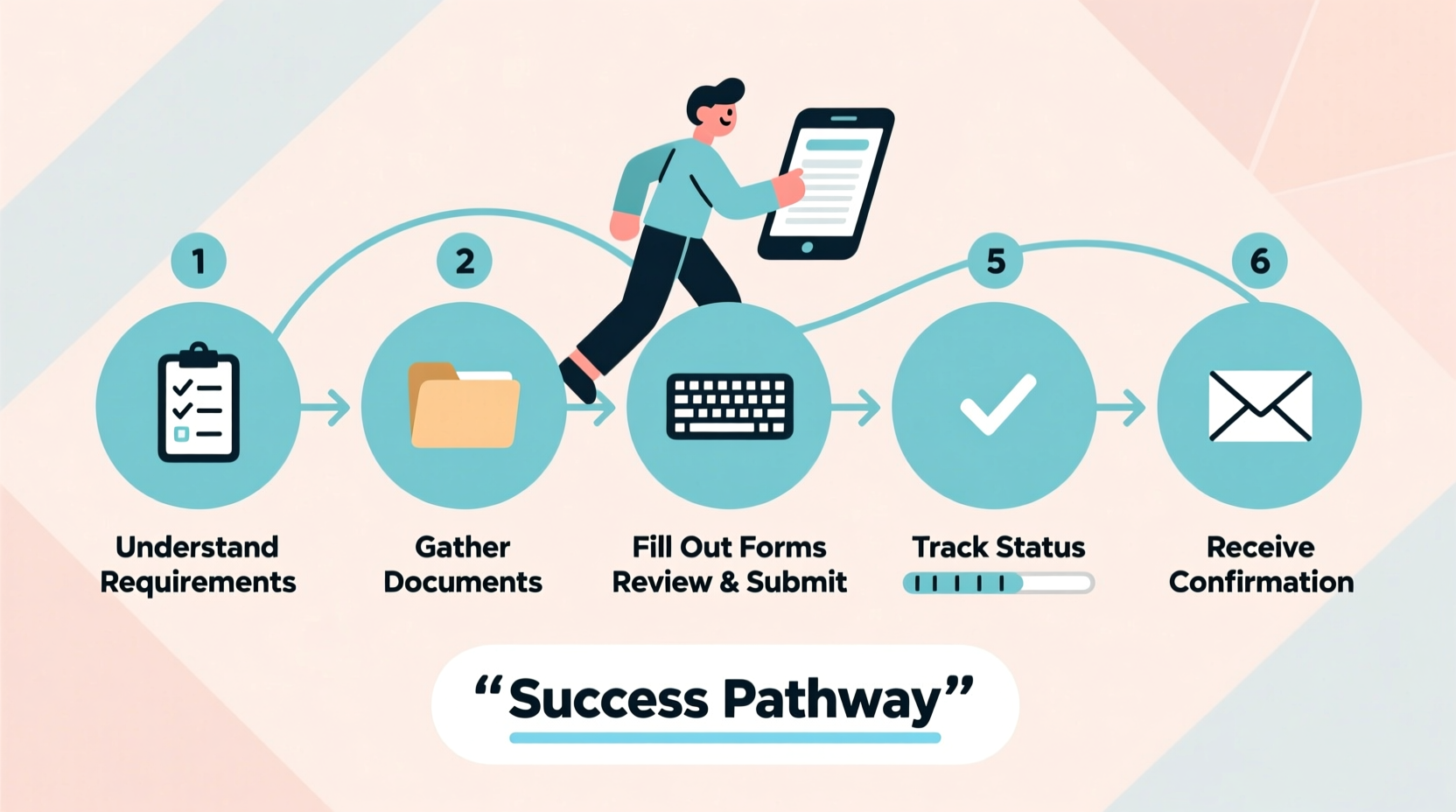
Every application exists to evaluate whether you meet specific standards. Before writing a single word, take time to understand the organization’s goals and what they’re looking for. Review all available documentation: eligibility criteria, selection guidelines, evaluation rubrics (if provided), and frequently asked questions.
Ask yourself: What problem is this institution trying to solve? Are they seeking innovation, reliability, leadership, or technical expertise? Aligning your mindset with their mission gives your application strategic direction.
Decode the Hidden Criteria
Beyond the obvious requirements—like transcripts or references—there are often unspoken expectations. For example, a graduate program may value research experience more than GPA, or a company might prioritize cultural fit over technical skills. Look for clues in job descriptions, mission statements, or alumni profiles.
“Applicants who tailor their materials to our core values stand out—even if their background isn’t perfect.” — Dr. Lena Torres, Admissions Director at Midwestern Research Institute
Organize Your Application Timeline
Rushing leads to errors. Whether you have two weeks or three months, break the process into manageable phases. A realistic timeline prevents last-minute stress and allows time for revisions and feedback.
Step-by-Step Application Timeline
- Week 1: Research the opportunity thoroughly and gather all required materials.
- Week 2–3: Draft personal statements, resumes, and supporting documents.
- Week 4: Request letters of recommendation and verify submission methods.
- Week 5: Review drafts with a trusted advisor or mentor.
- Week 6: Finalize all documents and conduct a compliance check.
- Deadline Week: Submit at least 48 hours before the cutoff to avoid technical issues.
Prepare and Tailor Your Materials
Generic applications get generic results. Customization is the difference between blending in and standing out. Every document should reflect not only your achievements but also how they relate to the specific opportunity.
Resume or CV: Focus on Relevance
Remove irrelevant roles or outdated skills. Emphasize experiences that mirror the desired qualifications. Use action verbs and quantify outcomes when possible (e.g., “increased engagement by 40%” rather than “helped with marketing”).
Cover Letter or Personal Statement: Tell a Cohesive Story
This is where narrative matters. Don’t repeat your resume—explain why you care, what drives you, and how this opportunity fits into your journey. Structure it around three elements: motivation, experience, and future contribution.
| Document Type | Do | Avoid |
|---|---|---|
| Personal Statement | Show growth through challenges | Vague claims without examples |
| Resume | Use keywords from the job description | Long paragraphs; use bullet points |
| References | Choose people who know your work well | Selecting prestigious names who can't speak personally to your abilities |
Secure Strong Letters of Recommendation
A powerful letter adds credibility and context to your application. Choose recommenders who can speak concretely about your skills, character, and potential. Ideally, these are supervisors, professors, or mentors who’ve observed your work firsthand.
Give them at least three weeks’ notice. Provide a brief dossier: your updated resume, a summary of the opportunity, and key points you’d like highlighted (e.g., leadership during a team project).
“Candidates who brief their recommenders thoughtfully receive letters that go beyond ‘this person was punctual’ to ‘this person transformed our approach.’ That makes a real difference.” — Marcus Reed, Hiring Manager at TechForward Inc.
Checklist: Preparing Recommenders
- Confirm their willingness to write a strong letter.
- Share submission deadlines and instructions.
- Provide a one-page summary of your accomplishments relevant to the role.
- Send a polite reminder one week before the due date.
- Follow up with a thank-you note after submission.
Submit and Follow Up Strategically
Submission is not the end—it’s part of the process. Many applicants miss opportunities by failing to confirm receipt or send a courteous follow-up. After submitting, check whether the system sent a confirmation email. If not, contact the office to verify.
In some cases, especially for competitive programs or jobs, a brief follow-up message can reinforce your interest.
Mini Case Study: From Rejection to Acceptance
Sophia applied twice for a public health fellowship. The first time, she submitted her materials the night before the deadline, used a generic personal statement, and forgot to inform her professor about the letter requirement. She was rejected without interview.
The next cycle, she started three months early. She revised her statement to focus on her fieldwork during a community outreach project, tailored her resume using keywords from the fellowship description, and gave her recommenders a detailed briefing packet. She submitted everything ten days before the deadline.
Result: She was invited for an interview and accepted into the program. Her reflection: “The second time, I treated the application like a project—with planning, feedback, and precision. That made all the difference.”
Frequently Asked Questions
What if I don’t meet all the listed requirements?
Some requirements are flexible, especially if you can demonstrate equivalent experience. Address the gap directly in your cover letter or additional information section. For example: “While I haven’t completed a formal certification, I led three projects using the same methodology and tools outlined in the curriculum.”
Should I explain gaps in my employment or education history?
If the gap exceeds six months, a brief explanation helps prevent assumptions. Be honest but concise. Examples: “Took time off to care for a family member,” or “Pursued independent study in data analysis.” Avoid over-justifying or sounding defensive.
Can I reuse application materials for multiple opportunities?
You can use drafts as templates, but never submit identical content. Each application demands customization. Recruiters and admissions officers spot boilerplate language quickly. Invest the time to refine each submission.
Final Steps: Review, Reflect, and Improve
Before hitting submit, conduct a final audit. Read every document aloud to catch awkward phrasing. Verify file names (e.g., “Smith_Resume.pdf” instead of “document1.pdf”). Ensure fonts and formatting are consistent.
If possible, have someone else review your materials. A fresh pair of eyes often catches inconsistencies you’ve overlooked.
Even if you’re not accepted, treat the process as a learning experience. Some institutions offer feedback upon request—take advantage of it. Keep copies of your successful (and unsuccessful) applications to build a portfolio for future use.
Conclusion
Success in any application process comes down to preparation, precision, and persistence. It’s not about being the most qualified on paper—it’s about presenting your qualifications in a way that resonates with decision-makers. By understanding the criteria, organizing your time, tailoring your materials, and following through professionally, you position yourself as a serious, capable candidate.




 浙公网安备
33010002000092号
浙公网安备
33010002000092号 浙B2-20120091-4
Comments
No comments yet. Why don't you start the discussion?