
Books are more than just reading material—they’re personal artifacts, design elements, and reflections of identity. When arranged thoughtfully, a bookshelf becomes both a functional storage solution and a striking focal point in any room. Yet too often, shelves become cluttered afterthoughts, where readability is sacrificed for appearance or vice versa. The ideal arrangement balances visual harmony with practical accessibility. By understanding the principles of aesthetic composition, reader behavior, and spatial logic, you can create shelves that invite browsing, spark conversation, and endure as timeless displays.
Understanding the Dual Purpose of Bookshelves
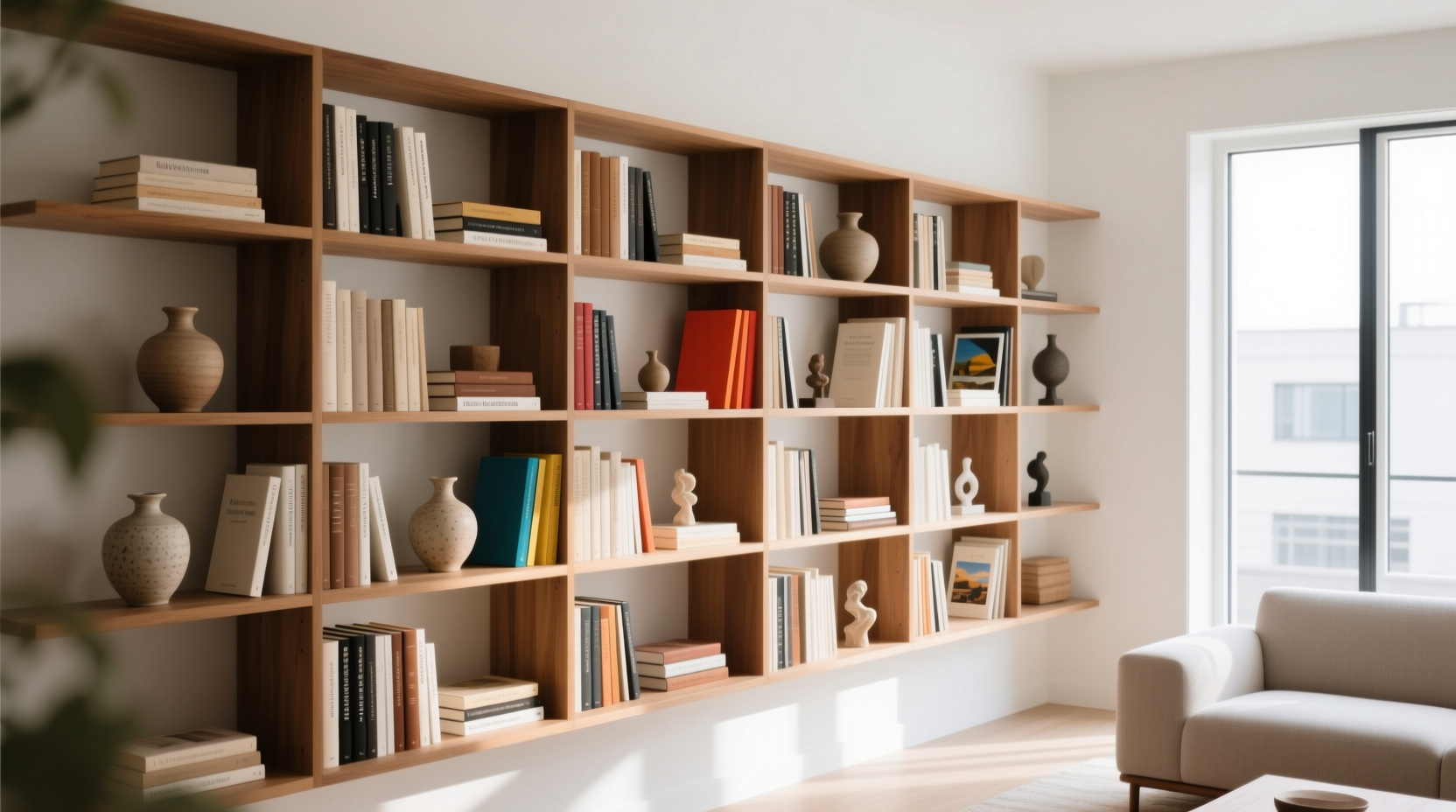
A bookshelf serves two essential roles: it must be easy to use and pleasing to look at. Functionality ensures that readers can quickly find what they need, while aesthetics contribute to the overall mood and design of a space. A well-curated shelf respects both needs without compromising either.
Readability depends on logical organization—grouping by genre, author, or frequency of use. Style, on the other hand, involves color coordination, spacing, object placement, and intentional negative space. The challenge lies in merging these objectives so that beauty doesn’t hinder utility and order doesn’t result in monotony.
“Shelves should reflect personality, not perfection. The best arrangements feel lived-in, accessible, and expressive.” — Clara Mendez, Interior Stylist & Author of *The Art of Living with Books*
Step-by-Step Guide to Arranging Books with Intention
Creating an organized yet visually appealing shelf requires planning and iteration. Follow this structured process to achieve results that last beyond the initial styling phase.
- Empty and assess your collection. Remove all books from the shelves. This allows you to see exactly what you own and evaluate each item’s relevance and condition.
- Categorize by primary use. Divide books into groups such as “Frequently Read,” “Reference,” “Sentimental,” “To Be Read,” and “Decorative.” This prioritizes usability.
- Edit ruthlessly. Donate or store titles you no longer need. Clutter undermines both readability and style.
- Decide on a sorting system. Choose one dominant method (e.g., genre, size, color) and apply it consistently across shelves.
- Style with balance. Introduce variation through object placement, alternating orientations, and breathing room between sections.
- Maintain regularly. Schedule quarterly reviews to reorganize, dust, and refresh the display.
Choosing the Right Organization System
The foundation of readable shelving is a coherent organizational strategy. While many default to alphabetical order, this isn't always the most intuitive or useful approach. Consider these five systems based on your habits and goals:
- By Genre/Subject: Ideal for readers who browse by interest (e.g., fiction, history, cookbooks).
- By Frequency of Use: Place commonly accessed books at eye level; seasonal or archival titles higher or lower.
- By Size: Uniform alignment creates clean lines, especially effective in minimalist interiors.
- Alphabetically: Best for large collections where quick lookup matters (e.g., reference libraries).
- By Color: Offers strong visual impact but may reduce readability if overused.
For optimal balance, combine systems hierarchically. For example, organize first by genre, then alphabetically within each section. This maintains structure while enabling visual rhythm.
When to Break the Rules
Rigidity kills charm. Occasionally deviate from your system to highlight special editions, gift books, or favorites. A single bright red novel among neutrals draws attention; a horizontal stack adds dimension. These disruptions, when intentional, enhance rather than disrupt flow.
Design Principles for Visually Pleasing Shelves
Styling transforms a shelf from utilitarian to artistic. Apply fundamental design concepts to elevate its presence in the room.
Color blocking uses book spine colors to create gradients or patterns. Monochromatic arrangements (all black, white, or navy) exude sophistication. Rainbow sequences add playfulness but require careful editing to avoid chaos.
Vary orientation by stacking some books horizontally. This introduces texture and makes space for small decor like bookends or plants. However, limit horizontal stacks to no more than three deep—otherwise, retrieving bottom books becomes frustrating.
Incorporate negative space. Leave gaps between clusters to prevent visual overload. Empty areas allow the eye to rest and emphasize featured objects.
Add complementary accessories. Small sculptures, framed photos, or ceramic vases break up rows of text. Keep decor minimal—no more than one object per two feet of shelf—to maintain focus on the books.
| Design Element | Do | Avoid |
|---|---|---|
| Spacing | Leave 1–2 inches between groups | Packing books tightly wall-to-wall |
| Height Variation | Mix tall and short books intentionally | Random height changes without pattern |
| Accessories | Use items with meaning or subtle color ties | Overloading with knickknacks |
| Lighting | Add LED strips or nearby lamps for warmth | Harsh overhead lighting that causes glare |
Real Example: Transforming a Home Office Shelf
Sarah, a freelance writer in Portland, struggled with a cluttered oak bookshelf dominating her home office. It held everything from legal pads to dog-eared novels, making retrieval difficult and the space feel chaotic. She decided to reorganize using a hybrid system.
First, she removed all items and sorted them into categories: professional resources, creative inspiration, fiction, and personal journals. She donated outdated guides and stored infrequently used binders in a filing cabinet. Then, she arranged the remaining books by category, placing writing references at eye level and fiction toward the top.
To enhance style, she grouped paperback spines by muted earth tones—terracotta, olive, and slate—and added a single brass bookend shaped like a crane. Two horizontal stacks hold rotating favorite novels, with a small potted succulent beside one. The transformation made her workspace calmer and more inviting, and she now finds needed materials in seconds.
“I used to dread looking at that shelf,” Sarah said. “Now I actually enjoy sitting near it. It feels like part of the solution, not the mess.”
Checklist: Creating Balanced, Beautiful Bookshelves
Use this actionable checklist before and after arranging your shelves:
- ☐ Remove all books and clean the shelf surface
- ☐ Sort books into functional categories (reading, reference, sentimental)
- ☐ Discard or donate titles no longer needed
- ☐ Select a primary organizing method (genre, size, color, etc.)
- ☐ Arrange taller books at ends or bottom for stability
- ☐ Alternate vertical and horizontal placements for visual interest
- ☐ Limit decorative objects to 20% of total shelf space
- ☐ Ensure frequently used books are easily reachable
- ☐ Step back and assess symmetry and flow from a distance
- ☐ Schedule a monthly touch-up to maintain order
Frequently Asked Questions
Should I organize books by color?
Color-based organization works well for creating bold visual statements, especially in living rooms or entryways. However, it can make finding specific titles difficult. If you choose this method, consider labeling baskets or using a digital catalog to track locations. For high-use collections, pair color grouping with broader categories (e.g., “Blue Fiction” or “Green Nonfiction”) to preserve functionality.
How do I prevent my shelves from looking too stiff or sterile?
Introduce human warmth through asymmetry and personal touches. Display a few books face-out to showcase meaningful covers. Include handwritten notes tucked into spines or family photos leaning behind a row. Allow slight variations in alignment—perfect uniformity can feel impersonal. The goal is curated imperfection, not rigid control.
What’s the best way to store oversized or coffee table books?
Large-format books are best displayed horizontally on lower shelves or in dedicated media cabinets. Storing them vertically strains bindings and risks warping. If space is limited, rotate them seasonally—feature one or two at a time as centerpieces. Use book shoes or archival sleeves to protect delicate covers from dust and sunlight.
Conclusion: Make Your Shelves Work for You—and Reflect You
A truly successful bookshelf does more than hold volumes—it invites engagement, supports daily habits, and expresses individuality. When style and readability coexist, the result is a space that feels both intentional and alive. There’s no universal formula, only principles that guide thoughtful decisions. Whether you favor strict order or eclectic charm, the key is consistency in purpose.
Start small: pick one shelf and apply these strategies. Notice how it changes the way you interact with your books. Over time, refine your approach until your shelves feel effortless to use and satisfying to behold. They should tell a story—not just of what you’ve read, but of who you are and how you live.




 浙公网安备
33010002000092号
浙公网安备
33010002000092号 浙B2-20120091-4
Comments
No comments yet. Why don't you start the discussion?