
A watch is more than a timekeeping device—it's an investment in style, precision, and personal expression. For many, durability is just as important as design. Whether you're navigating rugged terrain, working in demanding environments, or simply want a timepiece that stands the test of time, understanding what makes a watch truly durable is essential. Durability isn't just about surviving a fall; it encompasses resistance to water, shock, corrosion, and wear over years of use. The right combination of materials, engineering, and maintenance determines whether a watch will last decades or falter within months.
Understanding Watch Durability: Beyond Surface Toughness
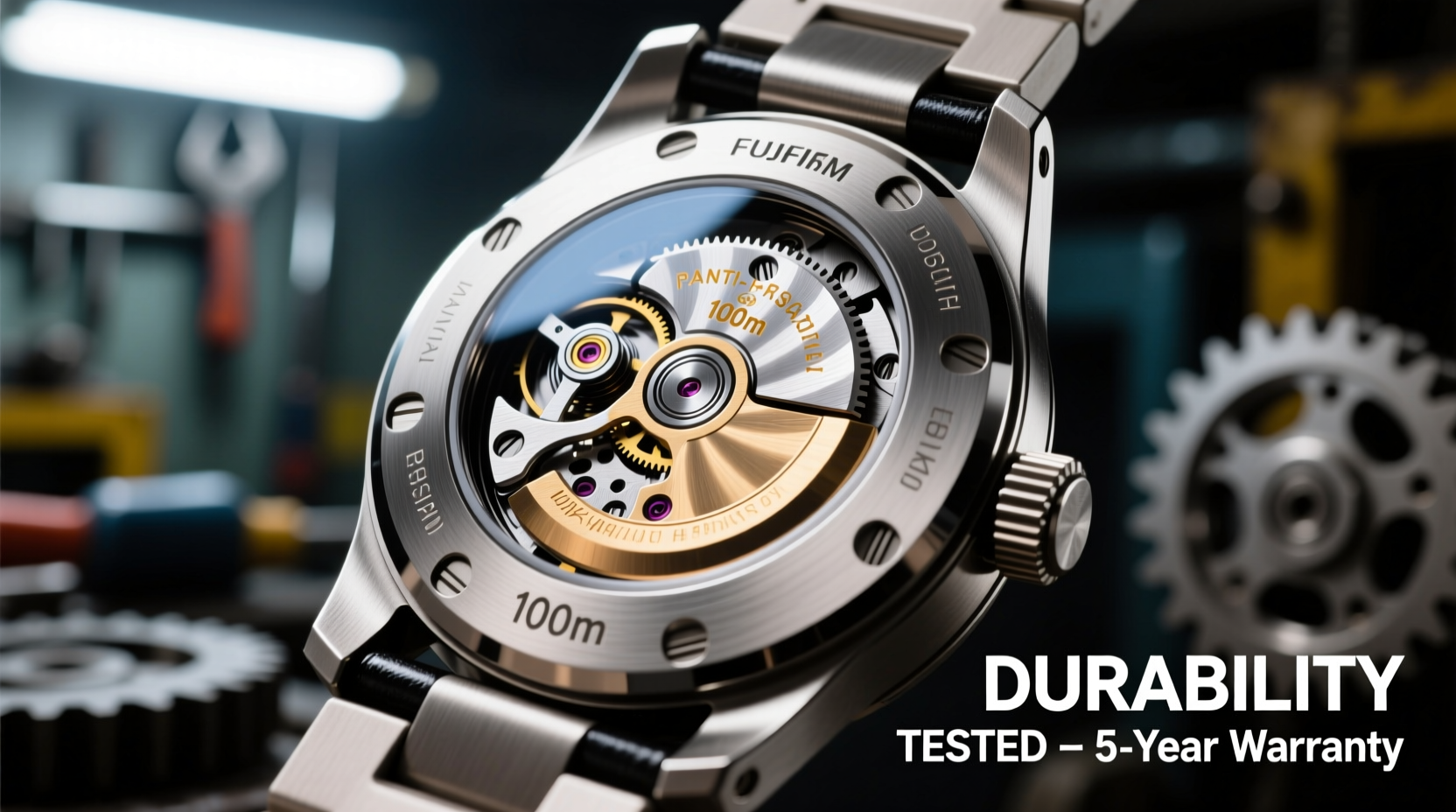
Durability in watches refers to the ability to maintain functionality, appearance, and accuracy under stress, environmental exposure, and daily wear. It’s not solely determined by a rugged exterior but by a holistic integration of components—from the case material to the movement inside. A truly durable watch resists scratches, withstands moisture, handles minor impacts, and continues operating reliably with minimal servicing.
Manufacturers often market \"tough\" watches, but real durability lies in measurable specifications and thoughtful design. Features like sapphire crystal, ISO-certified water resistance, and shock-absorbing movements are tangible indicators of longevity. Understanding these elements allows buyers to make informed decisions rather than relying on branding alone.
Key Materials That Impact Longevity
The materials used in a watch directly influence its resilience. Each component—case, crystal, strap, and movement—contributes to overall durability.
Case Materials: Strength and Corrosion Resistance
- Stainless Steel: The most common choice for durable watches. 316L surgical-grade steel resists corrosion, scratches, and everyday wear. It strikes a balance between strength and polishability.
- Titanium: Lighter than steel and highly resistant to corrosion, especially in saltwater environments. While slightly softer, modern coatings enhance scratch resistance.
- Ceramic: Extremely scratch-resistant and lightweight, ideal for bezels and cases. However, it can be brittle under sharp impact.
- Polymer/Carbon Fiber Composites: Used in tactical and sports watches, these materials offer high impact resistance and low weight but may lack prestige appeal.
Crystal Types: Clarity vs. Scratch Resistance
The crystal protects the dial and hands. Three primary types exist:
| Type | Scratch Resistance | Impact Resistance | Common Use |
|---|---|---|---|
| Acrylic | Low | High (flexible) | Vintage-style watches |
| Mineral Glass | Moderate | Moderate | Budget to mid-range models |
| Sapphire Crystal | Very High (9/10 Mohs) | Moderate (can shatter) | Luxury and professional watches |
“Sapphire crystal is nearly as hard as diamond. If your watch sees daily abuse, this is non-negotiable.” — Daniel Reeves, Horology Engineer at Precision Time Labs
Water Resistance and Environmental Protection
One of the most misunderstood aspects of durability is water resistance. Many assume “water-resistant” means waterproof, which is incorrect. Ratings are standardized in ATM (atmospheres) or meters, indicating static pressure resistance—not dynamic conditions like swimming or diving.
For true durability, look beyond the label:
- 3 ATM (30m): Splash-resistant only. Not suitable for swimming.
- 5 ATM (50m): Can handle showering or light swimming.
- 10 ATM+ (100m+): Suitable for snorkeling and recreational diving.
- ISO 6425 Certification: Required for true dive watches. Includes legibility in dark water, magnetic resistance, and shock resistance.
Gaskets degrade over time, so water resistance diminishes without maintenance. Experts recommend pressure testing every 1–2 years, especially if exposed to chlorine, salt, or extreme temperatures.
Real Example: The Diver Who Learned the Hard Way
Mark, an avid snorkeler, purchased a stylish watch rated at 50 meters. Confident in its specs, he wore it during frequent ocean swims. After eight months, condensation appeared under the crystal. Despite no visible damage, saltwater had seeped past worn gaskets, corroding the movement. The repair cost exceeded half the watch’s value. Regular resealing could have prevented this.
Shock Absorption and Movement Durability
The movement—the engine of the watch—is vulnerable to shocks from drops or vibrations. Mechanical watches, especially automatics, require more protection than quartz due to delicate balance wheels and springs.
Modern solutions include:
- Incabloc or Diashock systems: Spring-mounted balance wheels absorb impact forces.
- Spring bars in cases: Allow the movement to shift slightly within the case during impact.
- Anti-magnetic shielding: Protects against electromagnetic fields that disrupt timekeeping.
Quartz movements, while generally more shock-resistant due to fewer moving parts, still depend on case integrity and battery seal quality. High-end quartz watches like those from Casio’s G-Shock line integrate reinforced modules and floating internal structures to survive extreme conditions.
Step-by-Step Guide: Assessing Your Watch’s Shock Resilience
- Check if the movement includes a shock protection system (e.g., Incabloc).
- Inspect for a “shock-resistant” marking compliant with ISO 1413.
- Review user reports or third-party drop tests for similar models.
- Consider wearing habits—manual labor or sports increase need for robust construction.
- Ensure the case back is securely sealed and free of dents.
Build Quality and Design Integrity
Even with premium materials, poor assembly compromises durability. Attention to detail in finishing, threading, and sealing matters. Screw-down crowns, for example, significantly enhance water resistance by creating a tight seal when closed. Similarly, fixed lugs integrated into the case reduce weak points compared to drilled lug holes.
Strap attachment also plays a role. Solid end links on metal bracelets prevent flexing and breaking, while quick-release spring bars on NATO straps allow easy replacement without tools—ideal for active users.
Essential Checklist for Evaluating Watch Durability
Before purchasing or assessing an existing timepiece, use this checklist:
- ✅ Case made from stainless steel, titanium, or ceramic
- ✅ Sapphire or hardened mineral crystal
- ✅ Water resistance rating of 100m or higher (for active use)
- ✅ ISO 6425 certification (if intended for diving)
- ✅ Shock-resistant movement (Incabloc, Diashock, or equivalent)
- ✅ Screw-down crown and case back
- ✅ Luminous markers with long-lasting pigments (e.g., Super-LumiNova)
- ✅ Reputable brand service network for future maintenance
Frequently Asked Questions
Can a watch be both elegant and durable?
Yes. Modern engineering allows for refined designs with robust internals. Brands like Omega, Rolex, and Grand Seiko combine luxury finishes with high durability standards. Look for models with sapphire crystals, strong cases, and tested resistance ratings even in dress formats.
How often should I service a durable watch?
Mechanical watches should be serviced every 5–7 years. Quartz watches need battery changes every 2–3 years and full inspection every 7–10 years. Regular cleaning and pressure testing maintain longevity regardless of movement type.
Does price guarantee durability?
Not always. While premium brands invest in quality control, some mid-tier brands (e.g., Citizen, Seiko, Hamilton) offer exceptional durability at lower prices. Focus on specifications and build rather than logo alone.
Final Thoughts: Building a Legacy of Reliability
A durable watch doesn’t just endure—it earns stories. Every scratch, every reliable tick after years of use, becomes part of its character. True longevity comes not just from tough materials but from smart selection, consistent care, and respect for engineering excellence. By focusing on verified standards, protective features, and responsible maintenance, you ensure your timepiece remains functional and meaningful for generations.




 浙公网安备
33010002000092号
浙公网安备
33010002000092号 浙B2-20120091-4
Comments
No comments yet. Why don't you start the discussion?