
Being single doesn’t mean being lonely—it can be a powerful opportunity to reconnect with yourself, explore your interests, and enjoy entertainment on your own terms. Streaming has transformed how we consume media, offering unprecedented access to content that aligns with our moods, tastes, and schedules. When you're single, this access becomes even more valuable: no compromises, no scheduling conflicts, just pure, unfiltered enjoyment. The key is knowing where to look and how to make the most of it.
From choosing the right platform to cultivating mindful viewing habits, the modern single viewer has more control than ever over their entertainment experience. This guide explores how to turn solo streaming into a fulfilling ritual—one that enhances well-being, sparks joy, and celebrates independence.
Choosing the Right Streaming Platforms
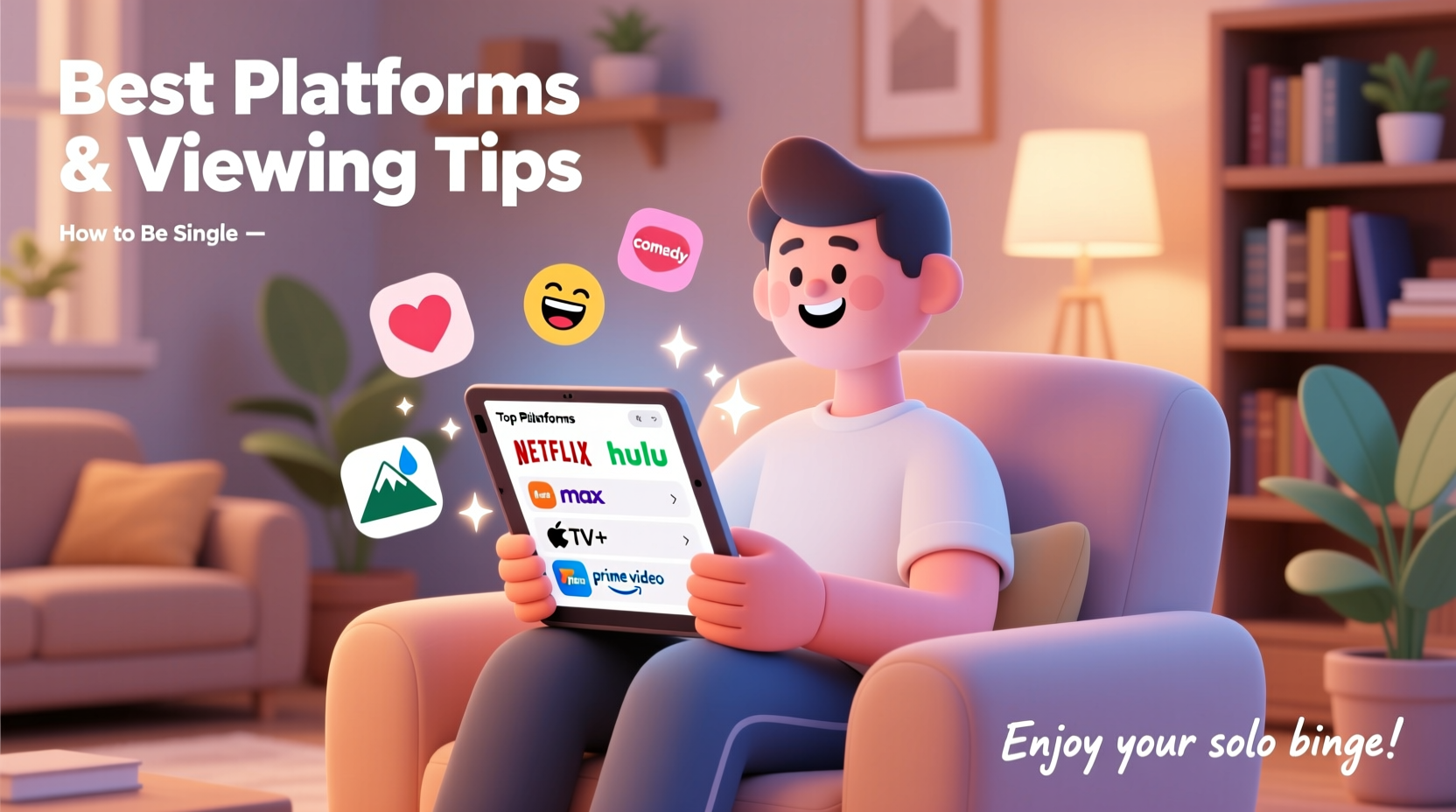
With dozens of services competing for attention, selecting the best platforms depends on your viewing preferences, budget, and lifestyle. Not all services offer the same content, user experience, or value. Here’s a breakdown of top contenders and what makes them ideal for single viewers.
| Platform | Best For | Monthly Cost (USD) | Offline Viewing |
|---|---|---|---|
| Netflix | Binge-worthy originals, global content | $6.99–$22.99 | Yes (on mobile/tablet) |
| HBO Max | Premium dramas, HBO classics, Warner Bros. films | $9.99–$15.99 | Yes |
| Disney+ | Families, nostalgia, Marvel/Star Wars fans | $7.99 or $10.99 (with ads) | Yes |
| Hulu | Next-day TV, documentaries, FX content | $7.99–$14.99 (ad-supported options) | Yes (premium plan only) |
| Amazon Prime Video | Rentals included, niche genres, international cinema | $8.99/month (or free with Prime) | Yes |
For singles, flexibility and personalization matter most. Netflix leads in algorithm-driven recommendations, making it easy to discover new favorites without external input. HBO Max offers cinematic depth, ideal for those who appreciate storytelling craftsmanship. Disney+ may seem geared toward families, but its nostalgic catalog—especially classic animated films and Star Wars series—can provide comforting, uplifting solo viewing.
Curating Your Personal Watchlist
One of the greatest advantages of being single is full control over what you watch. Use this freedom wisely by building a thoughtful watchlist that reflects your mood, goals, and curiosity—not algorithms or peer pressure.
Start by identifying your viewing intentions. Are you looking to relax? Learn something new? Be inspired? A well-curated list balances escapism with enrichment. For example, pair a lighthearted comedy series with a documentary on a topic you’ve always wanted to explore, like sustainable living or jazz history.
- Define your weekly viewing theme (e.g., self-growth, nostalgia, adventure).
- Use platform features like “My List” or third-party tools like Letterboxd or Trakt to organize titles.
- Schedule “viewing blocks” during downtime—Friday nights, Sunday mornings—to create ritual and anticipation.
- Include at least one “challenge” title per month—a foreign film, silent movie, or genre you typically avoid.
- Remove titles after watching; treat your list like a garden that needs pruning.
“Viewing with intention turns passive consumption into active self-reflection.” — Dr. Lena Torres, Media Psychologist
Optimizing Your Viewing Environment
Your physical space influences how deeply you engage with content. A cluttered room or uncomfortable chair can distract from immersion, turning relaxation into restlessness. Transform your viewing area into a sanctuary tailored to your preferences.
- Invest in quality sound—even modest Bluetooth speakers enhance emotional impact.
- Control lighting: dimmable lamps or smart bulbs reduce eye strain and set mood.
- Keep a cozy throw blanket and preferred beverage nearby to minimize interruptions.
- Position screens at eye level to avoid neck strain during long sessions.
- Designate your viewing spot as tech-only—no work emails or social scrolling allowed.
Mini Case Study: Sarah’s Solo Cinema Ritual
Sarah, a 32-year-old graphic designer in Portland, used to feel awkward watching shows alone after her relationship ended. She associated TV time with shared experiences—laughing over sitcoms or debating plot twists. After three months of avoiding streaming altogether, she decided to reclaim it.
She started small: every Saturday night, she prepared a themed evening. One week was “Scandinavian Noir,” complete with lingonberry tea and subtitles. Another featured classic musicals with a homemade cocktail. Over time, these rituals became something she looked forward to—moments of calm, creativity, and self-celebration.
Within six months, Sarah had watched over 40 films she’d never have chosen in a couple setting. More importantly, she reported feeling more confident in her independence and less defined by relationship status.
Smart Viewing Habits for Emotional Well-Being
Streaming isn’t neutral—it affects your mental state. Binge-watching thrillers before bed can disrupt sleep. Endless doomscrolling through true crime docs may heighten anxiety. Being single means you’re solely responsible for your emotional ecosystem. That power should be used intentionally.
Do’s and Don’ts of Solo Streaming
| Do | Don't |
|---|---|
| Watch something uplifting before bedtime (e.g., nature documentaries) | Stream stressful content right before sleeping |
| Take stretch breaks every 45 minutes | Sit motionless for hours |
| Pause to reflect: “How does this make me feel?” | Use streaming to numb emotions |
| Invite friends to virtual watch parties occasionally | Isolate completely every night |
Balance is essential. While solo viewing fosters introspection, occasional shared experiences—even digitally—maintain social connection. Platforms like Teleparty (formerly Netflix Party) allow synchronized viewing with commentary, bridging distance without sacrificing autonomy.
FAQ
Is it unhealthy to stream alone every night?
Not inherently. It depends on your mindset and habits. If streaming replaces all social interaction or becomes a way to avoid feelings, it may signal imbalance. But if it’s part of a varied routine that includes movement, creativity, and connection, it can be deeply nourishing.
How do I stop mindless bingeing?
Set clear limits before starting: “I’ll watch two episodes max.” Use timers, enable auto-pause features, or place a glass of water next to your seat—you’ll naturally pause when it’s empty. Reflect afterward: “Did this add value?” Awareness reduces autopilot behavior.
Can watching romantic movies make me feel worse about being single?
It can, especially if you compare your life to fictional narratives. Instead, watch them critically or choose stories focused on self-love and personal journeys, like Lady Bird or Amélie. Better yet, balance romance with empowering biopics or travel series that inspire real-world adventure.
Conclusion
Being single offers a rare chance to design a life—and a viewing experience—that’s authentically yours. Streaming shouldn’t just fill time; it should enrich it. By choosing platforms wisely, curating with purpose, and creating environments that honor your presence, you transform solitary screen time into meaningful self-engagement.
The best part? You don’t need permission. No negotiations, no compromises. Just you, your screen, and the endless possibilities waiting to unfold. Start tonight: pick one intentional show, prepare your space, and watch not to escape who you are—but to celebrate it.




 浙公网安备
33010002000092号
浙公网安备
33010002000092号 浙B2-20120091-4
Comments
No comments yet. Why don't you start the discussion?