
Boiling corn on the cob is one of the simplest ways to enjoy summer’s most beloved vegetable. When done right, it delivers juicy kernels bursting with natural sweetness and a satisfying tenderness that pairs well with butter, salt, or even a squeeze of lime. Yet, many home cooks end up with overcooked, mushy ears or underwhelming flavor due to small but avoidable mistakes. The key isn’t complexity—it’s timing, technique, and attention to detail.
This guide breaks down everything you need to know to consistently achieve perfectly boiled corn: from selecting the freshest ears to mastering cooking times and enhancing flavor without overpowering the natural taste of the corn.
Choosing the Best Corn for Boiling
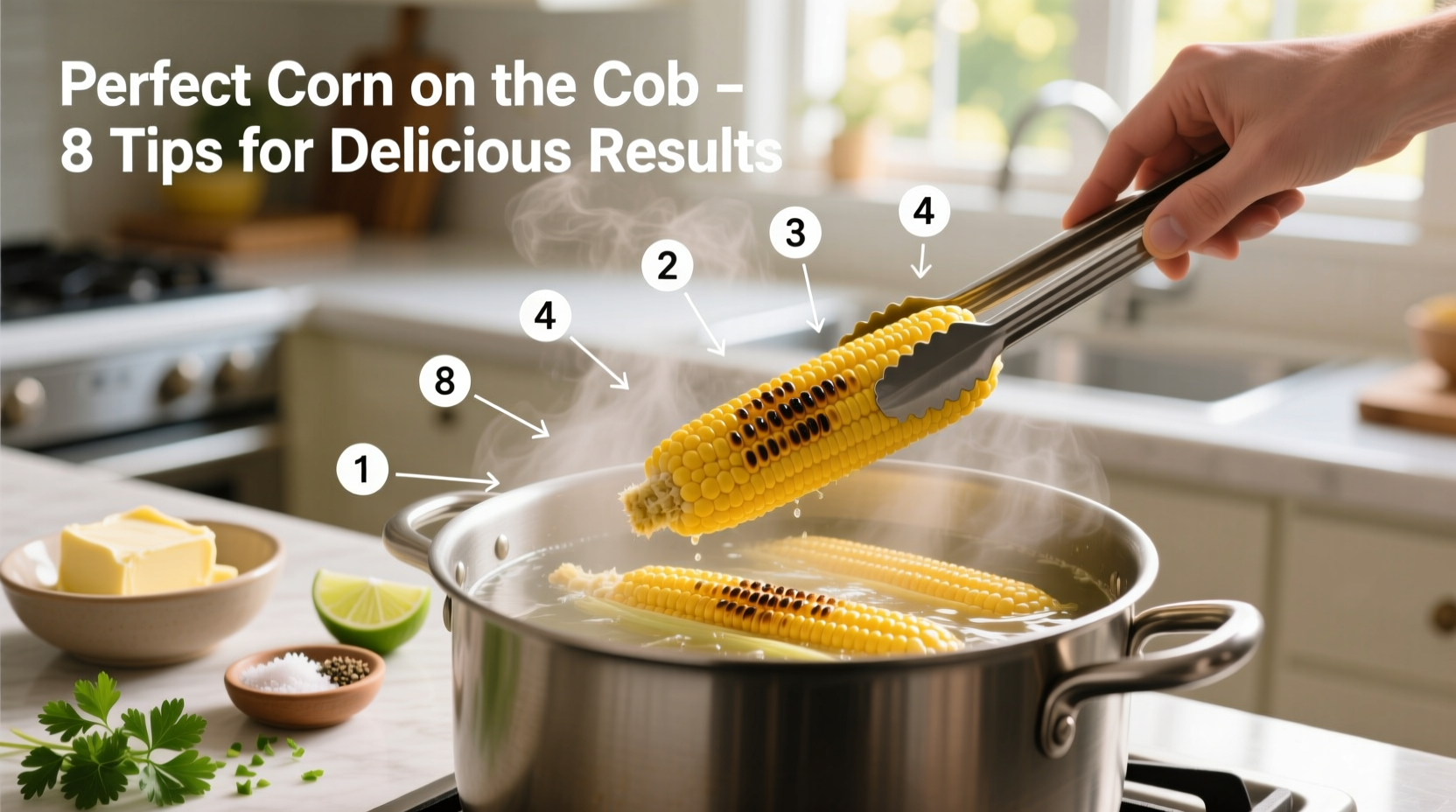
The foundation of great boiled corn starts at the market or farm stand. No cooking method can rescue old or poorly stored corn, so selection is critical.
- Freshness matters: Look for bright green husks that are tightly wrapped and slightly damp. Avoid dry, yellowing, or loose husks.
- Silk condition: The silks (threads at the top) should be golden brown and slightly sticky. Black or dry silks indicate age.
- Kernels: Gently peel back a corner of the husk to check the kernels. They should be plump, tightly arranged, and release a milky liquid when punctured with a fingernail.
- Smell test: Fresh corn has a faintly sweet, grassy aroma. A sour or musty smell means it's past its prime.
Step-by-Step Guide to Boiling Corn on the Cob
Follow this straightforward method to get consistently excellent results:
- Shuck the corn: Remove all the husks and silk. Run your fingers over the kernels to dislodge any remaining strands.
- Rinse gently: Hold each ear under cool running water to remove debris or pests.
- Prepare the pot: Use a large pot that can hold the ears in a single layer. Fill it with enough water to fully submerge the corn.
- Bring to a boil: Heat the water over high heat until it reaches a rolling boil.
- Add the corn: Carefully place the ears into the boiling water using tongs.
- Cook for 5–7 minutes: Keep the water at a gentle boil. Do not overcook—this is where most mistakes happen.
- Remove and serve: Use tongs to transfer the corn to a serving platter. Serve immediately for best texture and flavor.
“Perfect boiled corn should be tender-crisp, not soft or gummy. If you’re cooking more than four ears, work in batches to avoid overcrowding the pot.” — Chef Marcus Rivera, Farm-to-Table Specialist
Do’s and Don’ts of Boiling Corn
| Do’s | Don’ts |
|---|---|
| Use fresh, in-season corn for maximum sweetness | Don’t leave corn in hot water after cooking—this leads to mushiness |
| Boil in unsalted water to preserve natural flavor | Don’t add milk or sugar to the water—these don’t enhance sweetness |
| Cook just before serving for optimal texture | Don’t overfill the pot—corn needs room to circulate |
| Season after cooking with butter, salt, or herbs | Don’t shuck corn too far in advance—exposure dries out kernels |
Flavor Enhancements Without Overpowering
While corn is delicious on its own, a few thoughtful additions can elevate it without masking its natural sweetness.
- Lime and chili powder: A squeeze of fresh lime juice and a light dusting of ancho or cayenne adds brightness and warmth.
- Herb butter: Mix softened butter with chopped parsley, chives, or thyme before spreading.
- Sea salt flakes: Coarse salt crystals provide bursts of flavor and a pleasant crunch.
- Garlic infusion: Add a peeled garlic clove to the boiling water for subtle depth (remove before serving).
Real Example: A Backyard Cookout Success
Jamie hosted her first summer barbecue and wanted to serve perfect corn. She bought six ears from a local farmers market early Saturday morning. That afternoon, she shucked them only when guests arrived, boiled them in batches of three for exactly six minutes, then transferred them to a platter lined with parchment paper. She served them with compound butter made from honey, sea salt, and lemon zest.
Every guest commented on how sweet and tender the corn was. One neighbor asked, “Did you buy special corn?” Jamie smiled and said, “Nope—just boiled it right.” Her success came from freshness, precise timing, and minimal seasoning that highlighted rather than masked the corn’s natural flavor.
Common Questions About Boiling Corn
How long should I boil corn on the cob?
Fresh corn only needs 5 to 7 minutes in boiling water. Older or off-season corn may require up to 10 minutes, but watch closely to avoid overcooking.
Should I add salt or sugar to the water?
No. Adding salt can toughen the kernels, and sugar doesn’t make the corn sweeter. The natural sugars in fresh corn are sufficient. Season after cooking instead.
Can I boil corn ahead of time?
You can par-boil corn up to 30 minutes in advance, but keep it warm in a covered container. For longer holds, chill in ice water, then reheat briefly in simmering water before serving.
Expert Tips for Consistent Results
Professional kitchens follow a few extra steps to ensure every ear meets quality standards:
- Uniform sizing: Choose ears of similar thickness so they cook evenly.
- Cold start vs. boiling water: Always start with boiling water. Dropping corn into cold water lengthens cooking time and increases starch release.
- Batch cooking: Never stack more than four ears in a standard pot. Overcrowding lowers the water temperature and causes uneven cooking.
- Resting time: Let corn sit for 1–2 minutes after removal. This allows residual heat to finish the process gently.
“The secret to great boiled corn isn’t what you add—it’s what you preserve. Protect the moisture, the crunch, and the sugar content by minimizing cooking time.” — Dr. Lila Nguyen, Food Scientist & Culinary Researcher
Conclusion: Simple Steps, Outstanding Results
Boiling corn on the cob doesn’t require fancy tools or complex techniques. It requires respect for the ingredient and attention to timing. By choosing fresh ears, avoiding common pitfalls like overcooking or oversalting the water, and enhancing flavor at the end, you can serve corn that tastes like summer at its peak.
Whether you're feeding a family dinner or hosting a backyard gathering, these methods will help you deliver consistently delicious results. Try them at your next meal—and notice the difference that care and precision make.




 浙公网安备
33010002000092号
浙公网安备
33010002000092号 浙B2-20120091-4
Comments
No comments yet. Why don't you start the discussion?