
In today’s crowded marketplace, launching a product without strong branding is like speaking into a storm — no matter how valuable the message, it gets lost in the noise. Branding isn’t just about logos or color schemes; it's about creating a distinct identity that resonates emotionally with your audience. A well-branded product doesn’t merely sell — it connects, inspires loyalty, and commands attention. The most successful brands don’t compete on price alone; they win through perception, trust, and relevance.
Define Your Core Identity and Purpose
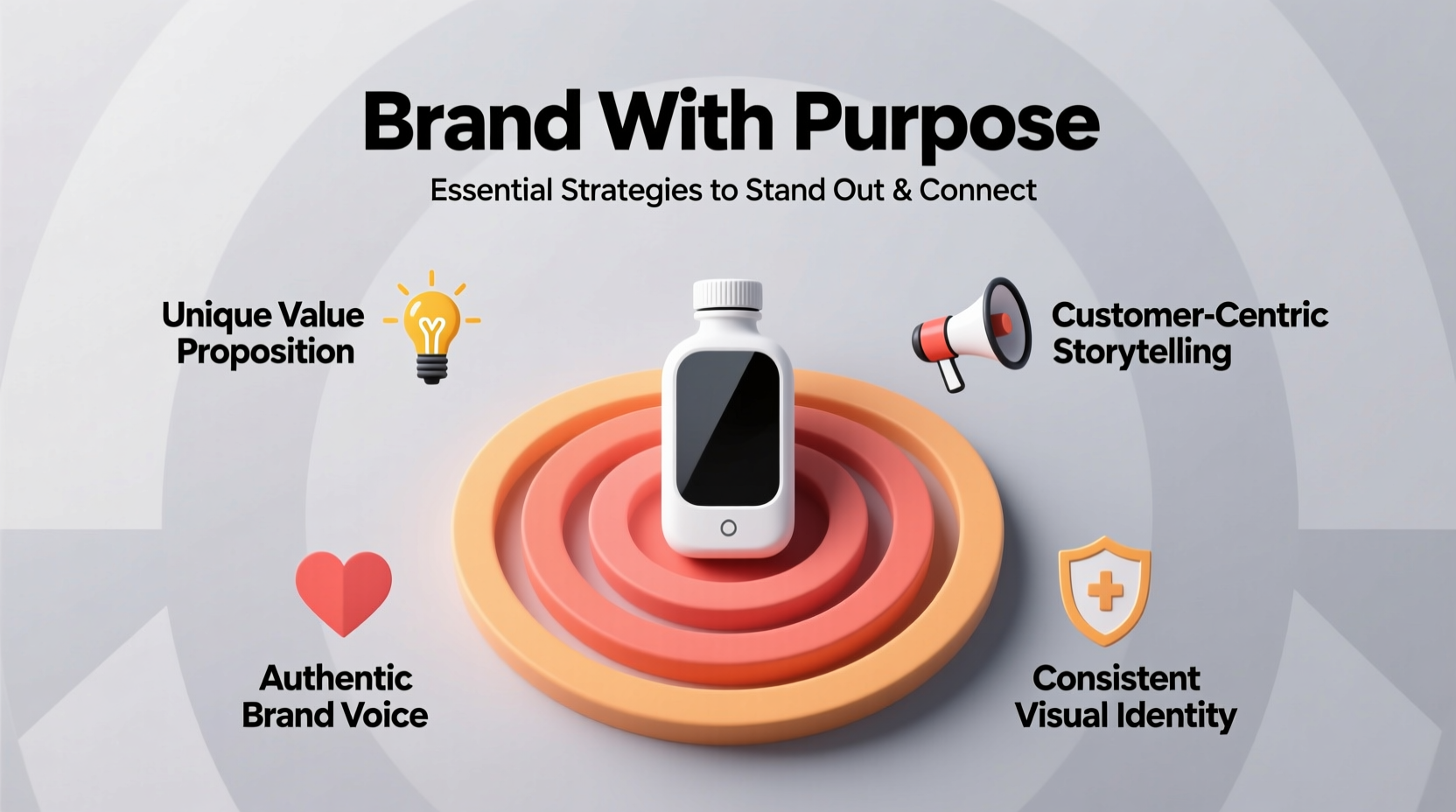
Before designing packaging or writing slogans, you must answer two fundamental questions: Who are you? And why do you exist beyond making money? Consumers increasingly support brands that reflect their values. Your brand identity includes mission, vision, tone of voice, personality, and core values. These elements shape every interaction, from customer service to social media posts.
A clear purpose becomes your compass. Patagonia, for example, built its entire brand around environmental responsibility. This isn’t just marketing — it influences product materials, supply chain decisions, and even encourages customers to repair rather than replace gear. When your product reflects a genuine purpose, people don’t just buy it — they believe in it.
Understand Your Audience Deeply
You can’t connect if you don’t understand. Effective branding starts with empathy. Go beyond basic demographics. What keeps your ideal customer up at night? What are their aspirations, frustrations, and unspoken desires? Develop detailed buyer personas based on real research — surveys, interviews, social listening.
For instance, a skincare brand targeting new mothers might discover that convenience, safety, and emotional well-being are more important than luxury ingredients. That insight shifts everything — from messaging (“Gentle care for you and baby”) to packaging (travel-friendly, easy-open).
“People don’t buy what you do; they buy why you do it.” — Simon Sinek, author of *Start With Why*
Create a Distinctive Visual and Verbal Identity
Your visual identity — logo, colors, typography, packaging — is often the first impression. It should be instantly recognizable and consistent across all touchpoints. Equally important is your verbal identity: the tone, language, and rhythm of your communication.
Consider Apple: minimalist design, clean fonts, monochromatic palettes, and copy that emphasizes simplicity and innovation. Their branding speaks of elegance and empowerment without ever saying it outright.
To develop yours, focus on differentiation. Ask: If your brand were a person, how would they speak? What emotions should someone feel when interacting with your product?
| Element | Do | Don't |
|---|---|---|
| Logo | Simple, scalable, meaningful | Overly complex or trendy |
| Color Palette | Aligned with brand emotion (e.g., blue for trust) | Inconsistent or too many colors |
| Tone of Voice | Reflects brand personality (e.g., playful, authoritative) | Changes drastically across channels |
| Packaging | Functional, memorable, sustainable | Generic or hard to use |
Build Emotional Connection Through Storytelling
Data tells, but stories sell. People remember narratives far longer than specifications. Your brand story should explain not just what you offer, but how it came to be, who it helps, and what challenges it overcomes.
Take TOMS Shoes: their “One for One” model wasn’t just a business strategy — it became a narrative of impact. Every purchase meant a child received shoes. That story fueled word-of-mouth, media coverage, and deep emotional engagement.
When crafting your story, highlight authenticity. Share founder journeys, customer transformations, or behind-the-scenes moments. Stories humanize your brand and turn transactions into relationships.
Deliver Consistent Experiences Across All Touchpoints
Branding doesn’t end at launch — it lives in every experience. From unboxing to customer support, consistency builds trust. A luxury product shipped in flimsy packaging undermines its premium claim. A friendly app paired with robotic email responses creates dissonance.
Map the customer journey from awareness to advocacy. Identify key touchpoints: website, social media, retail environment, packaging, post-purchase follow-up. Ensure each reflects your brand identity cohesively.
- Train teams to embody brand values in communication.
- Use templates and brand guidelines to maintain visual and verbal consistency.
- Monitor feedback to catch disconnects early.
Mini Case Study: How Glossier Turned Customers Into Advocates
Glossier didn’t start with a product line — it began with a blog called *Into The Gloss*, where founder Emily Weiss explored real women’s beauty routines. She listened, learned, and used those insights to create products her audience actually wanted.
Their branding was built on minimalism, inclusivity, and community. Packaging featured user-submitted photos. Social media focused on real skin, not retouched models. The result? A cult following where customers felt seen and heard. By aligning product development with authentic connection, Glossier turned users into brand evangelists — proving that listening is one of the most powerful branding tools.
Essential Branding Checklist
Use this checklist to evaluate and strengthen your product branding:
- ✅ Define a clear brand purpose beyond profit
- ✅ Research and document your target audience’s needs and values
- ✅ Develop a consistent visual identity (logo, colors, fonts)
- ✅ Craft a compelling brand story with emotional resonance
- ✅ Align tone of voice across all platforms
- ✅ Design packaging that enhances the unboxing experience
- ✅ Train customer-facing teams on brand values
- ✅ Monitor customer feedback and adapt accordingly
Frequently Asked Questions
Can a small business compete with big brands on branding?
Absolutely. Smaller brands often have an advantage: agility and authenticity. You can build deeper connections by being transparent, responsive, and community-focused. Large brands spend millions to appear relatable — you already are.
How much does professional design matter in branding?
Critical. First impressions are visual. Poor design signals low quality, even if your product is excellent. Invest in professional logo creation, packaging design, and brand guidelines. It pays dividends in credibility and recognition.
Should I rebrand if my product isn’t gaining traction?
Not immediately. Lack of traction may stem from poor positioning, not flawed branding. Test messaging, audience fit, and distribution first. Rebrand only after gathering data and identifying specific weaknesses in perception or alignment.
Conclusion: Make Your Brand Unforgettable
Branding a product isn’t a one-time task — it’s an ongoing commitment to clarity, consistency, and connection. The most memorable brands aren’t those with the biggest budgets, but those that stand for something meaningful and deliver on their promise at every turn. Whether you're launching a tech gadget, a food product, or a wellness tool, your brand is the soul behind the product.
Start by knowing who you are and who you serve. Build outward with intention — in visuals, voice, and experience. Let your values guide decisions, and let real stories fuel your message. Over time, a loyal community will form not because you asked them to, but because they feel seen, understood, and valued.




 浙公网安备
33010002000092号
浙公网安备
33010002000092号 浙B2-20120091-4
Comments
No comments yet. Why don't you start the discussion?