
Nail biting is more than a cosmetic concern—it’s a deeply ingrained behavior often tied to stress, boredom, or subconscious habits. While it may seem trivial, chronic nail biting can lead to damaged cuticles, increased infection risk, and even dental issues. Many people attempt to quit through willpower alone, only to find themselves back at their nails during moments of distraction. The truth is, lasting change doesn’t come from punishment or harsh restrictions. It comes from understanding, patience, and consistent, gentle intervention.
This guide explores compassionate, sustainable approaches to ending nail biting. Instead of focusing on forceful suppression, we emphasize awareness, replacement behaviors, and emotional regulation—methods that honor your nervous system and support long-term success.
Understanding Why We Bite Our Nails
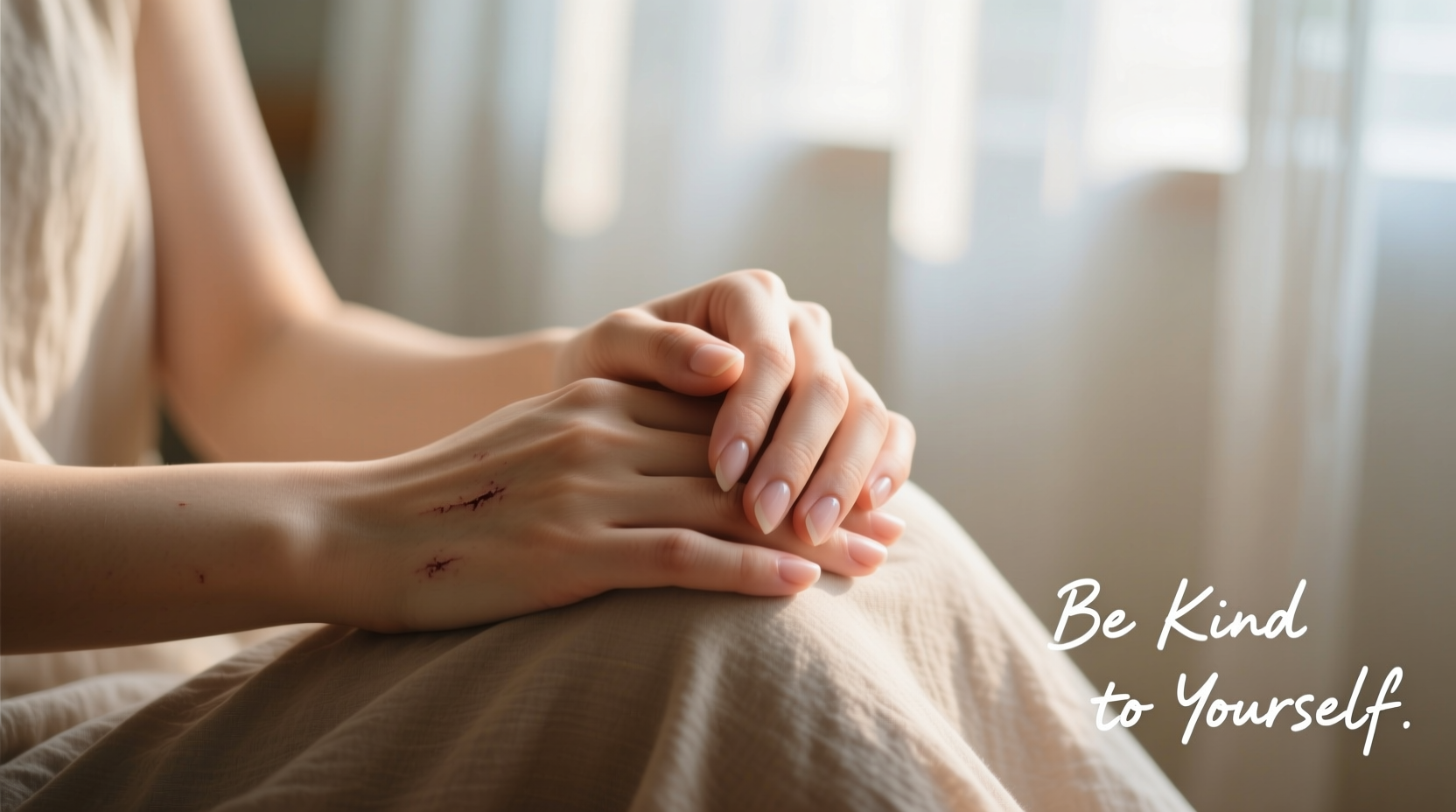
Nail biting, clinically known as *onychophagia*, affects up to 30% of the general population, with higher rates among adolescents and young adults. It’s classified as a body-focused repetitive behavior (BFRB), often occurring alongside habits like hair pulling or skin picking. While occasional biting might be triggered by temporary stress, chronic nail biting usually serves a functional purpose: it regulates emotions, provides sensory stimulation, or fills moments of idle attention.
Common triggers include:
- Stress or anxiety
- Boredom or mental under-stimulation
- Fidgeting or restlessness
- Habitual hand-to-mouth motions
- Perfectionism or performance pressure
Attempting to stop cold turkey rarely works because it ignores the underlying need the habit fulfills. A gentler approach recognizes nail biting not as a flaw, but as a coping mechanism—one that can be redirected with care.
“Habits like nail biting aren’t signs of weakness—they’re signals. They tell us something deeper needs attention, whether it’s emotional regulation, sensory input, or simply a need for focus.” — Dr. Lena Patel, Clinical Psychologist specializing in behavioral health
Gentle Strategies to Reduce and Replace the Habit
The goal isn’t perfection overnight. It’s progress through small, sustainable shifts. These methods prioritize self-kindness over self-criticism, making them more likely to stick.
1. Increase Awareness Without Judgment
Most nail biting happens unconsciously. The first step is building awareness—not to shame yourself, but to create space between impulse and action.
Try this simple practice: for one week, carry a small notebook or use a notes app. Each time you catch yourself biting, jot down:
- Time of day
- What you were doing
- How you were feeling (e.g., anxious, bored, tired)
- Which fingers you targeted
This isn’t about tracking failure. It’s about gathering data to understand patterns. You might notice you bite most during phone calls or while reading emails. That insight becomes your roadmap for change.
2. Introduce Sensory Substitutes
If nail biting provides tactile feedback, replace it with alternatives that satisfy the same sensory need. The key is accessibility and appeal.
Keep a fidget tool, textured bracelet, or soft fabric patch nearby during high-risk times. Some effective options include:
- Silicone finger toys designed for chewing
- Stress balls or putty
- A smooth stone or worry bead bracelet
- Fabric swatches with interesting textures
The substitute doesn’t need to mimic biting exactly—it just needs to redirect the urge into a neutral or positive action.
3. Use Physical Barriers with Care
While bitter-tasting nail polishes are common, they rely on aversion, which can increase internal resistance. A gentler alternative is using clear, nourishing coatings that protect nails while serving as a mindful reminder.
Choose a strengthening base coat with ingredients like calcium or keratin. Apply it daily with intention—not as a trap, but as an act of care. Each application becomes a ritual reinforcing your commitment to healing.
| Method | Pros | Cons |
|---|---|---|
| Bitter nail polish | Immediate deterrent | Can cause frustration; focuses on punishment |
| Clear strengthening coat | Supports nail health; feels nurturing | Less immediate effect on behavior |
| Finger sleeves or gloves | Physical barrier; useful at night | May feel uncomfortable or restrictive |
| Decorative nail stickers | Motivates preservation; fun and creative | May peel if biting is aggressive |
Creating a Supportive Environment
Your surroundings play a powerful role in habit maintenance. Small environmental adjustments reduce friction and make non-biting choices easier.
Designate “Nail-Friendly” Zones
Identify spaces where you’re most likely to bite—your desk, the couch, your car. In these areas, place visible reminders or tools:
- A small dish with a fidget toy
- A sticky note with a calming phrase (“My hands are safe”)
- A bottle of hand lotion to encourage touch without biting
These cues don’t demand change—they invite it gently.
Pair Nail Care with Existing Routines
Habit stacking increases consistency. Attach nail-friendly actions to habits you already do:
- After brushing your teeth, apply cuticle oil.
- Before checking your phone, roll a stress ball for 30 seconds.
- During coffee breaks, massage your hands with lotion.
These micro-moments build new neural pathways over time, replacing biting with nurturing.
Emotional Regulation: Addressing the Root Triggers
When nail biting is tied to anxiety or emotional overwhelm, behavioral changes alone won’t suffice. Emotional regulation skills help meet the need behind the habit.
Practice Grounding Techniques
When the urge strikes, pause and engage your senses:
- 5-4-3-2-1 Method: Name 5 things you see, 4 you can touch, 3 you hear, 2 you smell, 1 you taste.
- Deep breathing: Inhale for 4 counts, hold for 4, exhale for 6. Repeat 3–5 times.
- Hand awareness: Press palms together firmly, then release. Notice temperature, texture, and movement.
These practices interrupt autopilot and return you to the present moment—often reducing the urge to bite.
Cultivate Self-Compassion
Shame fuels relapse. If you slip, respond with kindness: “It’s okay. This habit took years to form. I’m learning new ways, one day at a time.”
Self-talk matters. Replace “I failed again” with “I noticed sooner than last time.” Progress isn’t linear.
Mini Case Study: Sarah’s Journey to Gentle Change
Sarah, 28, had bitten her nails since childhood. She tried bitter polish, bandages, and strict rules, but each attempt ended in frustration. After starting a high-pressure job, her biting worsened—she’d chew her thumbnails raw during meetings.
Instead of another elimination strategy, she shifted focus. She began journaling her triggers and discovered a pattern: biting spiked during transitions—after emails, before calls, when waiting. She realized it wasn’t stress per se, but a need for mental reset.
She introduced two changes:
- Kept a textured silicone ring on her dominant hand to twist during pauses.
- Started applying almond oil each morning, turning nail care into a 2-minute mindfulness ritual.
She didn’t aim for perfection. When she bit, she noted it without judgment. Within six weeks, biting decreased by 70%. By three months, her nails were growing visibly longer. “It wasn’t about stopping,” she said. “It was about giving my hands a better job to do.”
Step-by-Step Timeline for Lasting Change
Here’s a realistic 8-week plan using gentle methods:
- Week 1–2: Observe – Track when and why you bite. No changes yet—just gather data.
- Week 3–4: Substitute – Introduce one sensory replacement tool. Use it whenever you notice the urge.
- Week 5–6: Nurture – Begin a daily nail care routine. Focus on hydration and protection.
- Week 7–8: Expand – Add grounding techniques during high-risk moments. Celebrate small wins.
After eight weeks, reassess. What’s improved? What still needs support? Continue refining your approach.
Checklist: Gentle Habits to Start Today
- Carry a small fidget tool or wear a textured bracelet
- Apply a nourishing nail coating daily
- Place a reminder in one high-risk area (e.g., desk or nightstand)
- Practice one grounding technique when the urge arises
- Journal your triggers for three days to identify patterns
- Replace negative self-talk with compassionate phrases
- Stack one nail-care habit onto an existing routine
FAQ
How long does it take to stop nail biting?
There’s no fixed timeline. With consistent gentle methods, many notice reduction within 4–6 weeks. Full cessation may take several months, especially if the habit is long-standing. Focus on progress, not speed.
Is nail biting a sign of anxiety?
It can be, but not always. While it’s commonly linked to stress or OCD-related conditions, many people bite due to boredom or habit. If biting causes distress or physical harm, consider speaking with a therapist who specializes in BFRBs.
What if I keep failing despite trying?
Relapse is normal. Instead of viewing it as failure, treat it as feedback. Ask: What triggered it? What could support me better next time? Sustainable change grows from curiosity, not criticism.
Conclusion
Breaking the habit of nail biting isn’t about willpower or punishment—it’s about redirection, care, and understanding. By replacing judgment with curiosity and force with gentleness, you create space for lasting change. Your hands deserve kindness, not control. Every small choice to nurture instead of damage is a step toward greater self-trust.




 浙公网安备
33010002000092号
浙公网安备
33010002000092号 浙B2-20120091-4
Comments
No comments yet. Why don't you start the discussion?