
Dark corners are a common challenge in many homes. Whether it’s a narrow hallway, an under-stair nook, or a shadowed living room alcove, these spaces often feel closed off, unwelcoming, or forgotten. While installing additional lighting might seem like the obvious fix, it’s not always practical—especially in rental properties or older homes where wiring is difficult. The good news? You don’t need more bulbs to make a space feel brighter. With thoughtful design choices, reflective surfaces, strategic furniture placement, and clever decor, you can dramatically improve the perceived brightness of any dim area using only passive techniques.
Brightness isn’t just about illumination; it’s about perception. Light reflects, bounces, and accumulates based on the materials and colors around it. By manipulating these elements, you can trick the eye into seeing more light—even when none has been added. This guide explores proven, non-electrical methods to lift shadows and transform overlooked spots into inviting features of your home.
Use Mirrors to Reflect Available Light
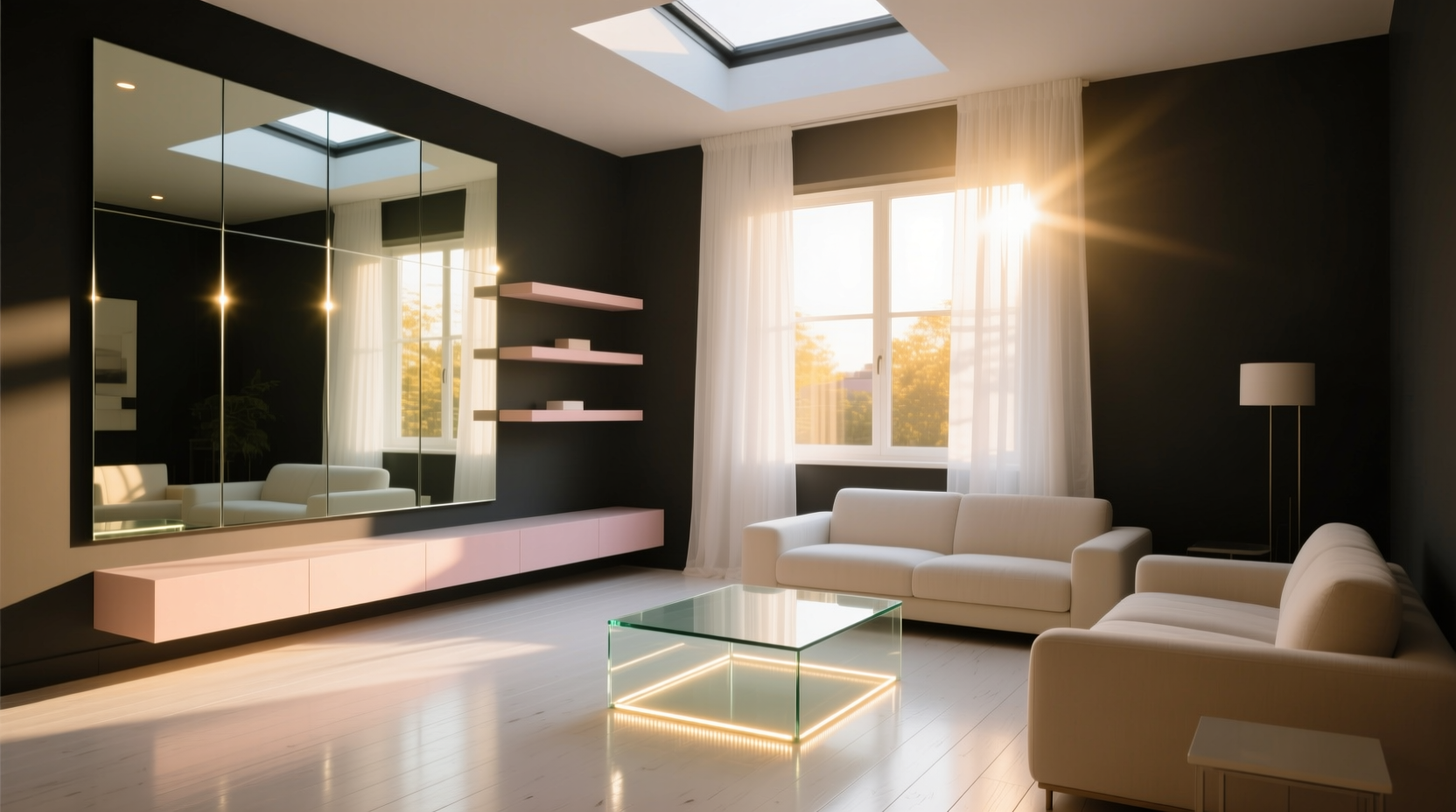
Mirrors are among the most effective tools for brightening a space without electricity. They work by capturing existing natural or ambient light and redirecting it deeper into the room. A well-placed mirror can double the visual impact of a nearby window or even amplify artificial light from adjacent rooms.
The key is positioning. Place a mirror directly across from a window or light source to maximize reflection. In a hallway corner, angle a mirror slightly so it catches light from an overhead fixture down the hall. Avoid placing mirrors facing blank walls—they’ll reflect darkness, not light.
Consider different shapes and styles. An oversized round mirror adds softness to a sharp corner, while a vertical rectangular one elongates the space visually. Antique-style mirrors with slight distortion can scatter light in interesting ways, creating subtle movement and depth.
“Mirrors don’t create light, but they redistribute it intelligently. In interior design, they’re silent amplifiers.” — Lena Torres, Interior Architect & Natural Light Specialist
Choose Light-Reflective Paint and Wall Finishes
Wall color and finish play a major role in how light behaves in a space. Dark or matte finishes absorb light, making corners appear smaller and heavier. Conversely, light-colored walls with reflective finishes bounce light around, enhancing brightness and openness.
For dark corners, opt for paint in soft whites, pale grays, warm beiges, or very light pastels. These shades have high light reflectance values (LRV), meaning they return more visible light to the room. A paint with an LRV above 70 is ideal—check manufacturer specs before purchasing.
Finish matters just as much as color. Flat or matte paints tend to swallow light, while satin, eggshell, or semi-gloss finishes reflect it gently. In low-light areas, a satin finish offers a balanced sheen that enhances brightness without appearing overly shiny.
| Paint Finish | Light Reflectance | Best For |
|---|---|---|
| Flat/Matte | Low | Hiding imperfections in well-lit rooms |
| Eggshell | Medium | Living areas, bedrooms |
| Satin | High | Dark corners, hallways, kitchens |
| Semi-Gloss | Very High | Trim, doors, moisture-prone areas |
Don’t limit yourself to flat walls. Textured finishes like limewash or metallic glaze can add dimension while catching and scattering light. A limewash paint, for example, creates a soft, mottled surface that diffuses light beautifully, giving the impression of constant subtle glow.
Strategic Furniture and Layout Adjustments
Furniture placement can either block or invite light into a corner. Bulky pieces positioned incorrectly act like visual barriers, trapping shadows behind them. Rearranging or selecting lighter, lower-profile furniture can open up the space and allow light to flow freely.
If a dark corner contains a bookshelf or cabinet, consider switching to open-back or glass-front units. These allow light to pass through rather than being absorbed. Similarly, choosing furniture with slender legs or transparent materials—like acrylic or glass—reduces visual weight and makes the area feel airier.
In small entryways or tight hallways, avoid tall console tables that reach eye level. Instead, use a low bench or floating shelf. This keeps sightlines clear and prevents the brain from registering the corner as “closed off.”
Step-by-Step: Reconfiguring a Shadowed Corner
- Clear the corner completely to assess the space.
- Identify the nearest light source (window, doorway, ceiling light).
- Remove any tall or solid furniture blocking the path of light.
- Introduce a mirror angled toward the light source.
- Select a light-colored, low-profile piece of furniture (e.g., glass-top table).
- Add a reflective decorative object (metallic vase, glossy ceramic).
- Test the change at different times of day to evaluate brightness improvement.
Leverage Decorative Materials and Accessories
Small decor choices can have an outsized impact on brightness. Incorporating reflective, translucent, or glossy materials introduces micro-sources of light bounce without requiring power.
Think beyond mirrors: metallic finishes in gold, silver, or chrome catch and scatter light effectively. A brass tray on a side table, a chrome floor sculpture, or even a polished metal lamp base (without a bulb) can contribute to ambient luminosity. Glass objects—such as vases, bowls, or decorative orbs—refract light subtly, creating tiny sparkles that enliven a dull corner.
Fabrics also matter. Choose upholstery and drapery in light-reflective textiles like silk, satin, or linen blends. Avoid heavy velvets or dark weaves in shadowed areas. Even a light-colored throw pillow with a slight sheen can make a difference when placed strategically.
Artwork selection is equally important. Frames with metallic edges or glass-covered prints reflect more light than matte canvas pieces. Consider hanging a series of small framed photographs or prints with white mats—the contrast between white and wall color draws the eye and creates a sense of openness.
Checklist: Brightening a Dark Corner Without Lights
- ✅ Assess the nearest natural or ambient light source
- ✅ Remove bulky furniture blocking light flow
- ✅ Paint the wall in a light color with satin or eggshell finish
- ✅ Install a large mirror opposite or angled toward light
- ✅ Use glass, metal, or glossy accessories to reflect light
- ✅ Opt for low-profile, leggy, or transparent furniture
- ✅ Add artwork with glass frames and white matting
- ✅ Introduce a light-colored rug to lift the floor plane
Real Example: Transforming a Hallway Nook
Sarah, a homeowner in a 1920s townhouse, struggled with a narrow hallway corner that felt claustrophobic. The space sat between the kitchen and bathroom, receiving no direct sunlight and minimal overhead lighting. She disliked the idea of rewiring for a new fixture due to plaster wall damage risks.
Instead, she applied passive brightening techniques. First, she repainted the corner wall in a warm ivory satin finish. Then, she installed a floor-to-ceiling mirror in a slim silver frame, angled slightly to capture light from the kitchen’s pendant lights. She replaced a dark wooden stool with a clear acrylic bench and topped it with a metallic bowl holding keys and mail.
Within a weekend, the corner transformed. The mirror created a false sense of depth, making the hallway appear longer. The acrylic bench disappeared visually, opening up floor space. Most importantly, the area felt noticeably brighter—even at night—due to reflected kitchen light bouncing off multiple surfaces.
“I didn’t add a single wire,” Sarah said. “But now guests comment on how ‘airy’ the hallway feels. It’s proof that light isn’t just electrical—it’s psychological too.”
Frequently Asked Questions
Can I brighten a corner without painting?
Yes. If repainting isn’t an option, focus on reflective decor. Use a large mirror, light-colored rugs, and glossy accessories. Removable wallpaper with a metallic or light-reflective finish can also help without permanent changes.
What if there’s no natural light at all?
In areas with zero daylight, rely on reflecting artificial light from adjacent spaces. Position mirrors to catch light from ceiling fixtures, lamps, or sconces in nearby rooms. Use high-gloss finishes and pale textiles to maximize every bit of available illumination.
Are there plants that work in dark corners without supplemental lighting?
Yes, but choose foliage with lighter variegation—such as golden pothos, variegated snake plant, or ‘Dottie’ rubber plant. Their bright leaves reflect more light than solid green varieties and add vibrancy without needing extra bulbs.
Final Thoughts and Call to Action
Brightening dark corners doesn’t require construction, electricians, or complex installations. It requires observation, intention, and a few smart material choices. By understanding how light interacts with color, texture, and form, you can turn neglected spaces into highlights of your home.
Start small. Pick one shadowed area and apply just two techniques—perhaps a fresh coat of light paint and a well-placed mirror. Notice the shift in mood and perception. Then expand. Over time, these subtle interventions compound, creating a home that feels consistently open, clean, and luminous—even after sunset.




 浙公网安备
33010002000092号
浙公网安备
33010002000092号 浙B2-20120091-4
Comments
No comments yet. Why don't you start the discussion?