
A capsule wardrobe is traditionally defined as a curated collection of timeless, versatile clothing items that work together seamlessly. But what if those pieces also reflect the essence of a character who inspires you? For fans of anime, this concept opens up a creative and deeply personal approach to fashion: building a minimalist wardrobe rooted in the aesthetic, values, and visual language of a beloved character. It’s not about cosplay—it’s about channeling their energy into wearable, everyday style.
This method bridges self-expression with practicality. Whether it’s the sharp tailoring of Levi Ackerman from *Attack on Titan*, the effortless cool of Spike Spiegel from *Cowboy Bebop*, or the vibrant optimism of Sailor Moon, your favorite anime character can serve as a muse for a cohesive, intentional wardrobe. The result? A closet that feels authentic, reduces decision fatigue, and reflects who you are—or who you aspire to be.
Why Build a Capsule Around an Anime Character?
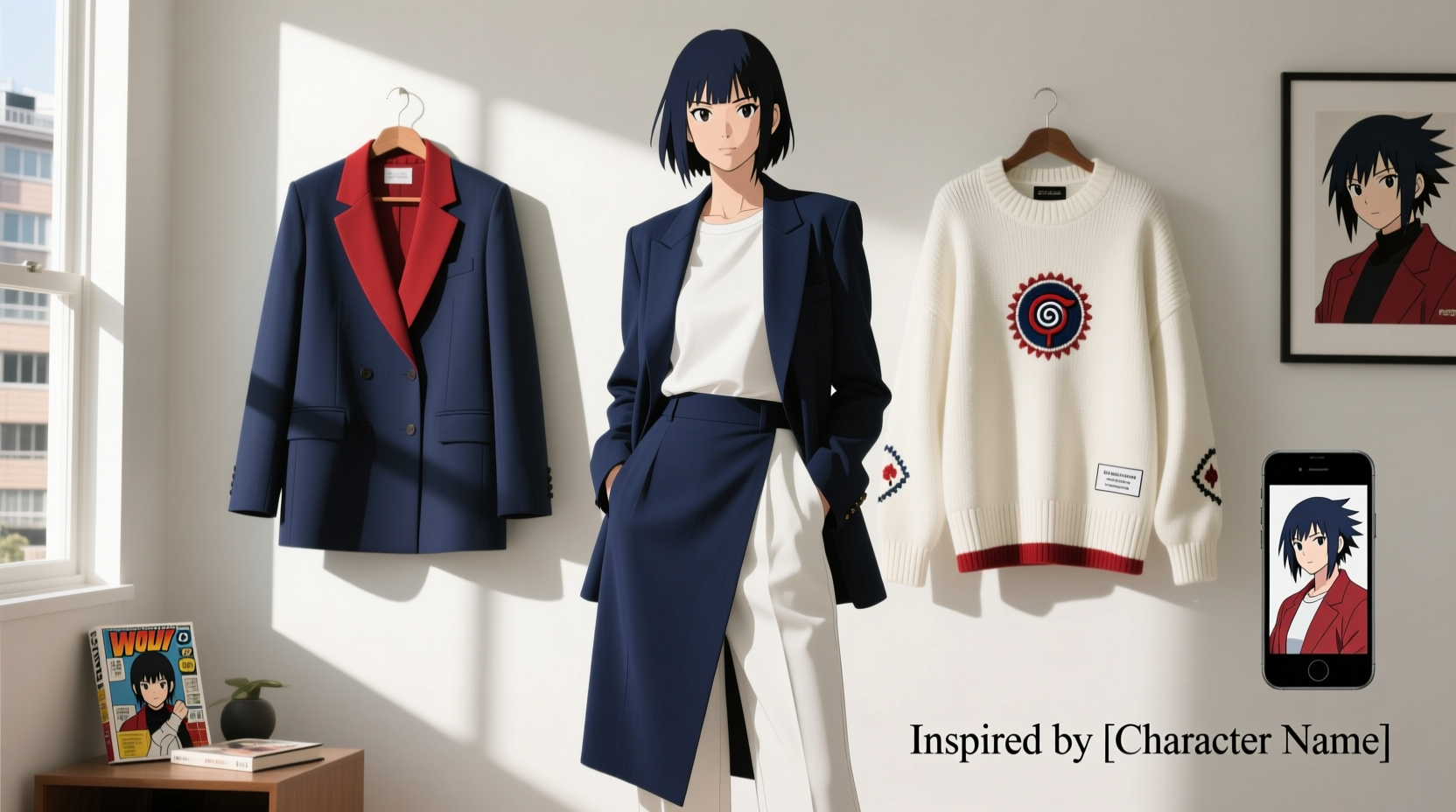
Anime characters are designed with strong visual identities. Their color palettes, silhouettes, and recurring motifs make them ideal archetypes for personal styling. Unlike fleeting trends, these characters represent enduring themes—resilience, elegance, rebellion, innocence—that resonate across time.
By aligning your wardrobe with a character’s aesthetic, you’re not just choosing clothes; you’re adopting a mindset. This alignment fosters confidence and consistency. Moreover, it simplifies shopping. When faced with a new item, you ask: “Does this fit the vibe of my chosen character?” If not, it’s easier to walk away.
Fashion psychologist Dr. Kimberly Sheppard notes:
“When our clothing reflects a narrative we identify with, it enhances self-cohesion and emotional well-being.”In other words, dressing like a version of yourself inspired by an anime hero isn’t escapism—it’s identity reinforcement.
Step-by-Step Guide to Building Your Character-Inspired Capsule
Creating a capsule wardrobe around an anime character requires thoughtful analysis and disciplined editing. Follow this five-phase process to develop a functional, expressive closet.
- Choose Your Anchor Character
Select one character whose style and persona genuinely inspire you. Avoid picking someone just because they’re popular. Ask: Does their demeanor match how I want to feel daily? Is their aesthetic adaptable to real-world settings? - Analyze Their Visual Signature
Break down the character’s look into core components:- Color palette (e.g., Naruto’s orange and blue)
- Silhouette (e.g., Mikasa’s structured jackets)
- Key garments (e.g., Edward Elric’s red coat)
- Accessories (e.g., L’s fingerless gloves)
- Mood or energy (e.g., stoic, playful, mysterious)
- Translate Fantasy to Functionality
Identify which elements can transition into daily wear. A school uniform may not be practical, but its neat collars and monochrome base can inspire crisp button-downs and tailored skirts. A villain’s dramatic cape becomes a long wool coat. - Curate Core Pieces (8–12 Items)
Select foundational garments that reflect the character’s essence while being seasonally appropriate and mixable. These should include tops, bottoms, outerwear, and one statement piece. - Test and Refine
Wear the capsule for two weeks. Note what feels authentic and what falls flat. Replace underperforming items gradually.
Character Style Breakdown: Real Examples
To illustrate this process, here are three distinct anime characters and how their aesthetics can inform real-world capsules.
| Character | Core Aesthetic | Translatable Elements | Capsule Items |
|---|---|---|---|
| Spike Spiegel (*Cowboy Bebop*) | Neo-noir, retro-futuristic, laid-back cool | Beige trench coat, slim-fit suits, turtlenecks, desert boots | Wool overcoat, charcoal suit pants, black turtleneck, brown oxfords, vintage watch |
| Sailor Moon (*Sailor Moon*) | Kawaii, feminine, magical girl | Red-blue-gold palette, sailor collars, pleated skirts, knee-high socks | Blue A-line skirt, red sweater, white collared shirt, gold hair clip, loafers |
| Levi Ackerman (*Attack on Titan*) | Minimalist military, precision, dark tones | Black leather boots, fitted jackets, high-collared shirts, utilitarian details | Tactical-style boots, black chore jacket, gray henley, slim chinos, silver ring |
Mini Case Study: Emi’s Studio Ghibli-Inspired Wardrobe
Emi, a graphic designer in Kyoto, felt her wardrobe lacked cohesion. She loved the gentle, earthy elegance of *Kiki’s Delivery Service*—particularly Kiki’s simple black dress, apron, and red bow. Rather than replicate the outfit, she focused on its spirit: modesty, functionality, and quiet charm.
She built a 10-piece capsule using natural fabrics: a black linen shift dress, a cream cardigan, a belted denim pinafore, clogs, and a red silk scarf. Each piece could be layered and recombined. Over six months, she reduced her clothing purchases by 70% and reported feeling more “like herself” at work. Her colleagues even began commenting on her “calm, artistic presence.”
The key was abstraction—not imitation. She didn’t wear a witch hat; she wore the confidence of one.
Common Pitfalls and How to Avoid Them
While character-inspired styling is empowering, several missteps can undermine its effectiveness.
- Over-literal interpretation: Wearing full cosplay to the office defeats the purpose of a wearable capsule. Focus on essence, not exact replicas.
- Ignoring body type: Just because a character wears oversized sleeves doesn’t mean they’ll flatter you. Adapt proportions to your frame.
- Neglecting lifestyle needs: A street artist inspired by Jolyne Cujoh (*JoJo’s Bizarre Adventure*) still needs durable, washable clothes. Balance flair with function.
- Limiting diversity: Don’t exclude colors or styles outside the character’s palette unless intentionally minimal. Allow room for growth.
“Style isn’t about copying a look—it’s about translating emotion into fabric.” — Hiroshi Tanaka, Tokyo-based fashion curator
Checklist: Building Your Capsule in Practice
Use this checklist to stay on track as you assemble your wardrobe:
- ✅ Choose one primary anime character as inspiration
- ✅ Gather reference images (screenshots, official art)
- ✅ Identify their dominant colors, shapes, and textures
- ✅ Define the mood they embody (e.g., fearless, nurturing, enigmatic)
- ✅ List 5 real-world garments that echo their style
- ✅ Audit your current wardrobe for compatible pieces
- ✅ Donate or store items that clash with the vision
- ✅ Purchase only missing essentials (max 3 new items)
- ✅ Test the capsule for two weeks
- ✅ Adjust based on comfort, wearability, and emotional resonance
Expanding Beyond One Character
Once you’ve mastered a single-character capsule, consider evolving your wardrobe into a “rotating archetype” system. This means having multiple mini-capsules, each based on a different character, for different contexts.
For example:
- Work Mode: Inspired by Shoto Todoroki (*My Hero Academia*)—clean lines, asymmetry, cool-toned neutrals
- Creative Mode: Inspired by Killua Zoldyck (*Hunter x Hunter*)—layered tees, cargo pants, subtle edginess
- Relax Mode: Inspired by Chihiro (*Spirited Away*)—soft knits, flowing skirts, nature-inspired prints
This approach allows flexibility without sacrificing intention. You’re not confined to one identity—you’re expressing different facets of yourself through curated lenses.
FAQ
Can I combine elements from multiple characters?
Yes, but only after mastering a single-character capsule. Combining too early leads to visual clutter. Once you understand how to abstract a character’s style, you can thoughtfully blend influences—e.g., the discipline of Levi with the warmth of Tanjiro Kamado (*Demon Slayer*).
What if my favorite character wears impractical outfits?
Focus on symbolic elements. If your character wears armor, interpret that as structural clothing—blazers, corset belts, or reinforced seams. If they have wild hair, express that through bold accessories or footwear.
Will people think I’m trying to cosplay?
Not if you prioritize subtlety. A capsule inspired by anime is about internal resonance, not external recognition. Most people won’t know the reference—and that’s okay. The power lies in how the clothes make you feel, not in others’ interpretations.
Final Thoughts: Dress the Role You Want to Live
Building a capsule wardrobe around an anime character is more than a fashion experiment—it’s an act of self-design. These characters endure because they represent ideals: courage, loyalty, transformation. When you wear clothing that echoes their spirit, you invite those qualities into your daily life.
The goal isn’t to become the character. It’s to become a bolder, more intentional version of yourself—one inspired by the stories that moved you. Every time you choose an outfit from your capsule, you reaffirm that connection. Over time, the line between fiction and identity blurs in the most empowering way.




 浙公网安备
33010002000092号
浙公网安备
33010002000092号 浙B2-20120091-4
Comments
No comments yet. Why don't you start the discussion?