
A well-curated capsule wardrobe isn’t about owning less for the sake of minimalism—it’s about owning better. By narrowing your closet down to just 10 essential, high-quality, and highly versatile pieces, you eliminate decision fatigue, reduce laundry loads, and ensure every outfit feels intentional. This approach is not reserved for fashion editors or influencers; it’s accessible to anyone seeking clarity in their personal style and efficiency in their routine.
The concept originated in the 1970s when London boutique owner Susie Faux introduced the idea of a “capsule collection”—a small number of interchangeable garments that form multiple complete outfits. Decades later, designer Donna Karan popularized the modern version with her seven easy pieces. Today, the minimalist capsule has evolved into a lifestyle tool, especially as people prioritize sustainability, time-saving routines, and mindful consumption.
Building a capsule wardrobe with only 10 items challenges conventional thinking. Most people assume they need variety to stay stylish. But true style comes from cohesion, confidence, and consistency—not quantity. When each piece complements the others, dressing becomes effortless, and your wardrobe works harder with less.
Why Ten Pieces? The Power of Constraints
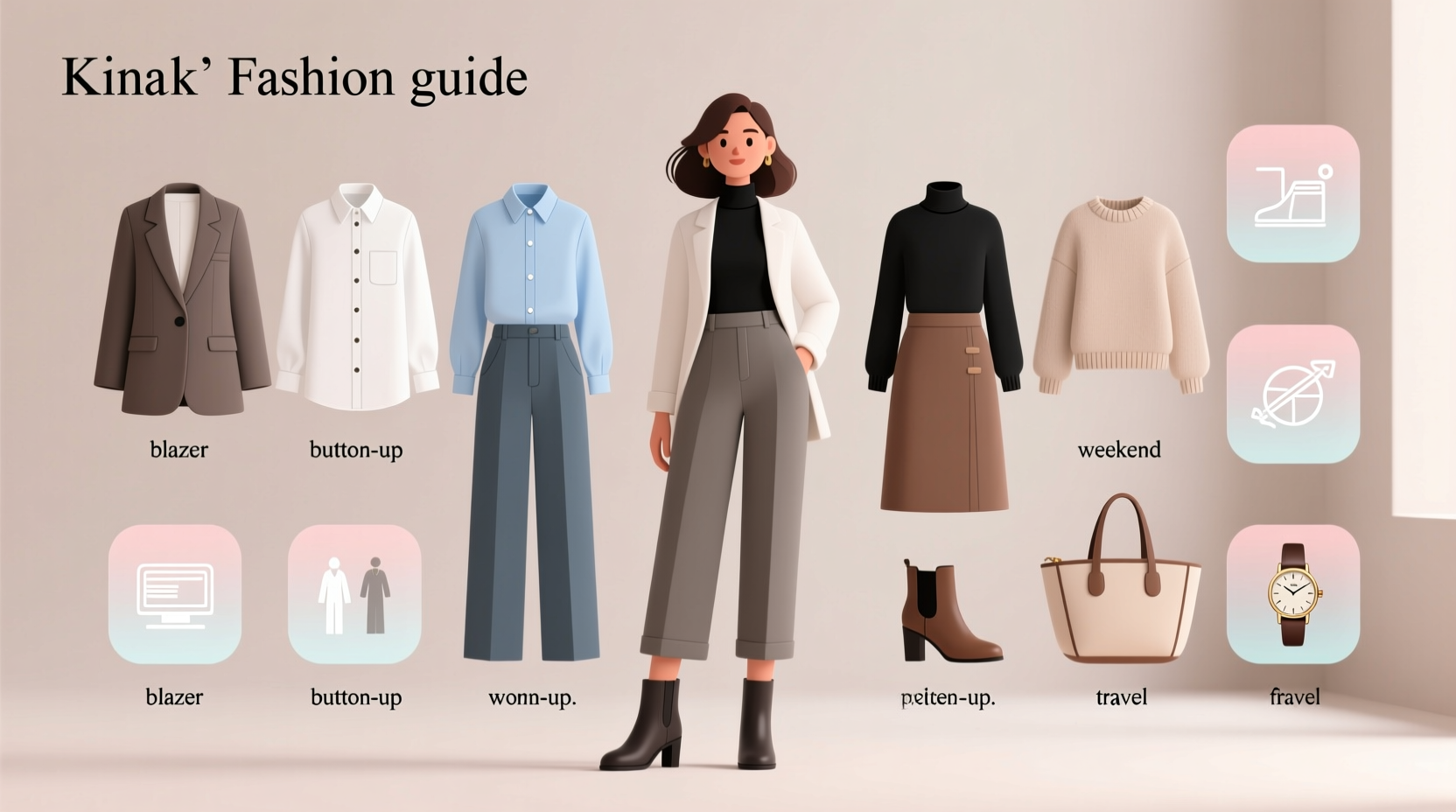
Limited choices often lead to better outcomes. In fashion, constraints force intentionality. A 10-piece limit pushes you to evaluate fit, fabric, function, and frequency of wear. It prevents impulse buys and encourages investment in timeless silhouettes over trend-driven fast fashion.
Research in behavioral psychology supports this: too many options can lead to decision paralysis and dissatisfaction. A smaller wardrobe reduces stress, increases satisfaction with clothing choices, and promotes sustainable habits by extending garment life through rotation and care.
Moreover, ten pieces are enough to create dozens of combinations. With strategic layering and accessories (which aren’t counted in the core ten), you can adapt your look for work, weekends, travel, or social events—all without overcrowding your closet.
Selecting Your 10 Key Pieces: Criteria That Matter
Not all garments qualify for a capsule. To earn a spot, each item must meet three criteria: versatility, durability, and personal resonance.
- Versatility: Can it be dressed up or down? Paired with at least three other pieces?
- Durability: Is it made from high-quality fabric with strong stitching? Will it withstand repeated wear and washing?
- Personal Resonance: Does it reflect your lifestyle and make you feel confident?
Fabrics matter. Opt for natural fibers like cotton, wool, silk, and linen—they breathe better, age gracefully, and are easier to repair. Avoid overly trendy cuts or colors unless they align perfectly with your aesthetic and usage patterns.
Neutral tones—navy, charcoal, beige, black, white, olive—form the backbone of most successful capsules because they mix seamlessly. One or two accent colors can add personality but should still coordinate across the collection.
Step-by-Step Guide to Choosing Each Piece
- Assess your lifestyle: How do you spend your week? Office hours? Casual outings? Errands? Travel?
- Inventory current clothes: Pull out everything you wear regularly and identify patterns in fit, color, and use.
- Identify gaps: Are you missing a proper blazer? A warm coat? Comfortable walking shoes?
- Edit ruthlessly: Remove anything that doesn’t fit well, feels uncomfortable, or hasn’t been worn in six months.
- Select one category at a time: Build your list systematically—start with bottoms, then tops, outerwear, etc.
- Test compatibility: Lay out potential combinations before finalizing your ten.
The Ideal 10-Piece Capsule Wardrobe (With Real Example)
Meet Sarah, a 34-year-old project manager who commutes to an office twice a week, works remotely the rest, and enjoys weekend hikes and casual dinners. After auditing her closet, she built the following 10-piece capsule:
| Item | Description | Worn For |
|---|---|---|
| 1. Dark Wash Straight-Leg Jeans | Mid-rise, stretch cotton blend, ankle-length | Casual meetings, errands, dinners |
| 2. Wool-Cotton Blend Trousers | Flat-front, tailored fit, charcoal gray | Office days, video calls, client meetings |
| 3. Black Midi Skirt | Wrap style, viscose blend, elastic waist | Work-from-home elegance, brunches |
| 4. White Button-Down Shirt | Crisp cotton poplin, classic collar | Layering piece, under sweaters, tied at waist |
| 5. Cream Cashmere Turtleneck | Fine knit, slim fit, long sleeve | Cold days, layering, professional polish |
| 6. Navy Blazer | Unstructured wool blend, single-button | Instant upgrade for jeans or trousers |
| 7. Striped Breton Top | Blue-and-white cotton jersey | Weekend wear, boat shoes pairing |
| 8. Black Slip Dress | Silk blend, adjustable straps, knee-length | Dinner dates, layered with turtleneck |
| 9. Beige Trench Coat | Water-resistant cotton, belted waist | All-season outerwear, rainy days |
| 10. Loafers (Brown Leather) | Comfortable block heel, lined interior | Walking, transit, office wear |
Sarah uses scarves, belts, jewelry, and bags to vary her looks. She swaps in seasonal footwear—like boots in winter or sandals in summer—but keeps the upper ten consistent year-round. Her total outfit combinations exceed 30, proving that simplicity does not mean repetition.
“Simplicity is the ultimate sophistication.” — Leonardo da Vinci
Common Pitfalls and How to Avoid Them
Even with the best intentions, building a capsule wardrobe can go wrong. Here are frequent mistakes and how to sidestep them:
| Pitfall | Do This Instead |
|---|---|
| Choosing pieces based on aspiration, not reality | Select items aligned with how you actually live, not how you wish you lived |
| Overlooking fit and comfort | Prioritize tailoring and movement—style follows ease |
| Ignoring climate and seasonality | Build region-specific capsules or rotate outer layers annually |
| Forgetting layering potential | Ensure at least half your pieces can be layered (e.g., under jackets or over shirts) |
| Excluding shoes from planning | Treat footwear as part of the system—even if not counted in the ten |
Another common error is treating the capsule as permanent. It should evolve. Life changes—jobs, climates, body shape—and your wardrobe should reflect that. Reassess every six months. Replace worn items. Retire outdated ones. Keep refining.
Expert Insight: What Designers Say About Minimalism
Fashion professionals have long advocated for fewer, better things. Consider this perspective:
“The most elegant women I know don’t chase trends. They invest in perfect fits and quiet luxury.” — Emily Sandberg Gray, Former Editor-in-Chief, *Harper’s Bazaar*
Designer Phoebe Philo, known for her work at Céline, championed understated sophistication. Her designs emphasized clean lines, neutral palettes, and functional beauty—hallmarks of a successful capsule. Consumers influenced by her aesthetic report higher satisfaction with wardrobes containing fewer than 20 core items.
The principle extends beyond aesthetics. Ethical fashion advocates stress that reducing consumption lowers environmental impact. According to the Ellen MacArthur Foundation, extending the life of clothing by just nine months reduces carbon, water, and waste footprints by 20–30%. A 10-piece capsule, worn frequently and cared for properly, embodies circular fashion values.
FAQ: Common Questions About Capsule Wardrobes
Can I include workout clothes in my 10 pieces?
No. Athletic wear serves a different function and rarely crosses over into everyday wear. Keep activewear separate to maintain the integrity of your capsule. Focus on pieces suitable for public, mixed-use environments.
What if I live somewhere with extreme seasons?
In regions with harsh winters or humid summers, consider rotating capsules. Maintain two sets of 10 pieces—one for warm months, one for cold. Store off-season items properly. This keeps your active wardrobe lean while accommodating climate needs.
How do I handle special occasions?
Rent, borrow, or own one or two occasion-specific items outside the capsule. A cocktail dress or formal suit doesn’t need to be worn often to be valuable. Just don’t count it among your 10 essentials.
Checklist: Building Your 10-Piece Capsule
Follow this checklist to create your own streamlined wardrobe:
- ☐ Define your daily activities and dress requirements
- ☐ Empty your closet and sort items by category
- ☐ Identify your most-worn, most-comfortable pieces
- ☐ Set aside neutrals that mix well
- ☐ Choose five bottoms/tops/outerwear/shoes that cover all bases
- ☐ Test mix-and-match potential across all items
- ☐ Purchase missing essentials with quality in mind
- ☐ Donate or store everything else
- ☐ Review and refresh every six months
- ☐ Add accessories to personalize without clutter
Conclusion: Start Small, Think Long-Term
Building a capsule wardrobe with only 10 key pieces is not a restriction—it’s a liberation. It shifts focus from accumulation to alignment. From chaos to calm. From reacting to choosing.
You don’t need to overhaul your closet overnight. Begin with one category: five tops that go with your favorite pair of pants. Then add three bottoms and a jacket. Slowly distill until you reach ten. Let each addition prove its worth.




 浙公网安备
33010002000092号
浙公网安备
33010002000092号 浙B2-20120091-4
Comments
No comments yet. Why don't you start the discussion?