
A capsule wardrobe is more than a minimalist fashion trend—it’s a sustainable, intentional approach to dressing that simplifies daily choices and reduces clutter. The idea? A small collection of versatile, high-quality pieces that mix and match seamlessly. But you don’t need designer labels or full-price boutiques to create one. In fact, some of the most stylish and durable clothing can be found in secondhand shops—if you know where and how to look. Building a capsule wardrobe exclusively from thrift stores is not only possible but empowering, especially when working with limited funds. With patience, strategy, and a clear vision, you can curate a wardrobe that reflects your personal style while staying under budget.
Why Build a Capsule Wardrobe from Thrift Stores?
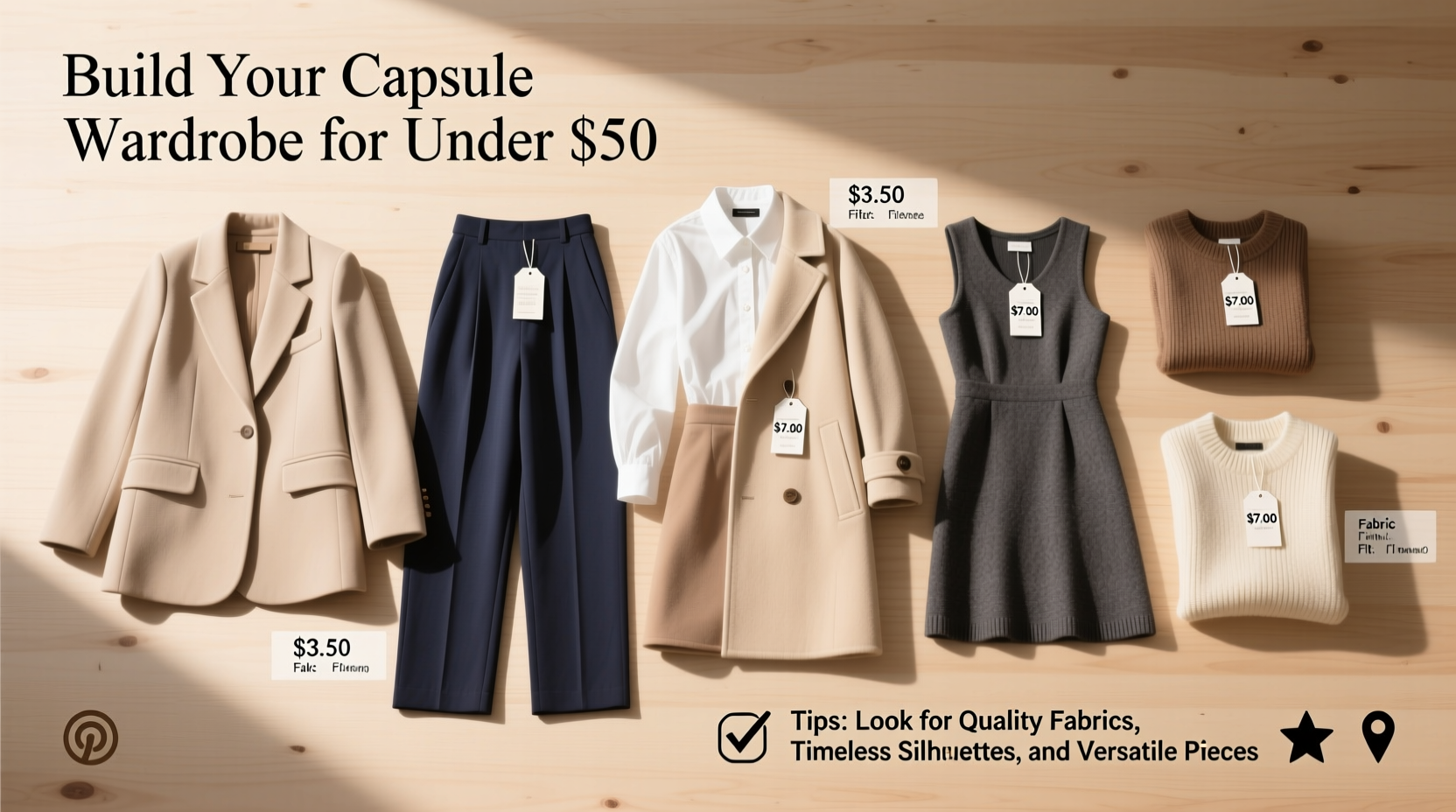
The appeal of combining a capsule wardrobe with thrift shopping lies in its alignment with slow fashion principles: reduce consumption, extend garment life, and make thoughtful purchases. Fast fashion cycles encourage overbuying and waste, whereas thrifting allows access to unique, often higher-quality items at a fraction of the cost. Thrifted garments were already produced, so their environmental footprint has already been paid. By choosing secondhand, you’re reducing demand for new production and minimizing textile waste.
Additionally, many thrifted clothes are made from better materials than modern fast fashion—think cotton, wool, linen, and silk—because older manufacturing standards prioritized durability. This means your capsule wardrobe won’t just look good; it will last longer. And because you're building slowly and intentionally, you avoid impulse buys and end up with pieces you truly love and wear regularly.
Step-by-Step Guide to Building Your Capsule Wardrobe
Creating a capsule wardrobe from thrift finds isn’t about grabbing everything that fits. It requires planning, patience, and a methodical approach. Follow this timeline to build a cohesive, functional collection without overspending.
- Define Your Style and Needs (Week 1): Take inventory of your lifestyle. How do you dress for work? What activities fill your weekends? Identify five core outfits you wear most often. Use these as templates for your capsule.
- Create a Master List (Week 1–2): Based on your needs, list essential categories: e.g., 2 pairs of jeans, 3 neutral tops, 1 blazer, 1 dress, etc. Assign colors and fabrics that align with your palette.
- Set a Realistic Budget (Week 2): Decide on a total budget—$100 is achievable for a 25–30 piece capsule if spread over time. Allocate funds per category (e.g., $20 for outerwear, $10 for shoes).
- Research Local Thrift Options (Ongoing): Map out thrift stores, consignment shops, and online resale platforms nearby. Some specialize in workwear, others in vintage or outdoor gear—know where to go for each category.
- Shop Strategically (Weeks 3–8+): Visit stores weekly. Stick strictly to your list. Try everything on—even if it seems odd. Fit matters more than size tags.
- Edit and Test (Final Week): Assemble all selected pieces. Mix and match to ensure cohesion. Remove anything that doesn’t pair well or feels “off.”
This process may take six to ten weeks, depending on availability. Resist rushing. A well-built capsule evolves gradually and thoughtfully.
Key Principles for Successful Thrift Shopping
Thrift stores can be overwhelming—racks crammed with ill-fitting trends and damaged goods. To cut through the noise, adopt these guiding rules:
- Fabric First: Prioritize natural fibers. Wool sweaters, cotton shirts, and linen pants age better and breathe easier than synthetics.
- Inspect Every Seam: Check underarms, hems, and inner linings. Look for stains, odors, loose buttons, or fraying. Minor flaws can be fixed; structural damage usually can’t.
- Size Is Just a Number: Sizing varies wildly across brands and decades. Focus on how the garment fits your body, not the tag.
- Neutral Base, Personality on Top: Build around neutrals—black, navy, beige, gray, white—then add character through accessories or statement thrifted jackets.
- Alterations Are Your Ally: A tailor can shorten pants, take in waists, or replace zippers for $10–$20. Factor this into your budget as an investment.
“Thrifting isn’t about finding something cheap—it’s about finding something valuable that others overlooked.” — Maya Rodriguez, Sustainable Fashion Curator
Do’s and Don’ts of Thrift Store Capsule Building
| Do | Don’t |
|---|---|
| Wash or dry clean items before adding them to your wardrobe | Buy items “just in case” they fit after weight loss |
| Take measurements of your best-fitting clothes to compare with thrift finds | Ignore care labels—some fabrics require special handling |
| Visit the same stores consistently to learn their rotation patterns | Feel pressured to buy because something is “only $3” |
| Use your phone to photograph potential matches against your current clothes | Overlook men’s sections—great for oversized shirts, denim, and wool coats |
| Keep a thrift shopping list in your notes app for quick reference | Assume vintage means better quality—inspect every piece individually |
A Real Example: Lena’s $80 Capsule Journey
Lena, a 29-year-old administrative assistant in Portland, decided to rebuild her entire work-to-weekend wardrobe after realizing she wore only eight outfits repeatedly. Her goal: a 30-piece capsule built entirely from thrift stores on a $100 budget.
She began by identifying her non-negotiables: professional enough for office days, comfortable for errands, and adaptable for casual dinners. She chose a color palette of charcoal, cream, olive, and burgundy. Over seven weeks, she visited three thrift chains and two local consignment shops weekly.
Her breakthrough came at a lesser-known resale shop on a Tuesday morning. There, she found a tailored navy blazer for $12, lightly worn but with a missing button. She replaced it herself. A pair of high-waisted black trousers ($8) needed a 2-inch hem, costing $15 at a local tailor—but now fit perfectly. She sourced two turtlenecks ($6 each), a trench coat ($20), and a pair of leather ankle boots ($18) over subsequent trips.
By sticking to her list and resisting trendy distractions, Lena assembled a complete capsule for exactly $79.45. Every top pairs with every bottom. Her blazer elevates simple tees, and her trench works over dresses or jeans. Most importantly, she wears nearly every item weekly. “I used to dread getting dressed,” she says. “Now I open my closet and everything goes together.”
Essential Checklist for Your Thrifted Capsule
Use this checklist to stay focused and organized throughout your build:
- ✅ Define your lifestyle dress code (casual, business, hybrid)
- ✅ Choose a cohesive color palette (3–5 core colors)
- ✅ List required clothing categories (tops, bottoms, layers, shoes, etc.)
- ✅ Set a total budget and per-category limits
- ✅ Research and map local thrift and consignment stores
- ✅ Take measurements of your best-fitting clothes
- ✅ Create a digital or paper shopping list
- ✅ Inspect every item for damage before purchase
- ✅ Wash or dry clean all items before use
- ✅ Test mix-and-match combinations before finalizing
- ✅ Schedule minor alterations as needed
- ✅ Store seasonally rotated pieces properly
Frequently Asked Questions
How many pieces should a thrifted capsule wardrobe have?
Most capsule wardrobes range from 25 to 40 pieces, including tops, bottoms, dresses, outerwear, and shoes—but exclude underwear, sleepwear, and workout clothes. The exact number depends on your climate and lifestyle. Start with 30 and adjust as needed.
What if I can’t find certain items at thrift stores?
Patience is key. If a specific piece isn’t available locally, try online thrift platforms like ThredUp, Poshmark, or Facebook Marketplace. Use filters for fabric, color, and size to narrow results. Sometimes waiting two months for the right wool coat is better than settling for a polyester alternative.
Can I include accessories in my capsule?
Absolutely—and they’re often the easiest thrift wins. Scarves, belts, and jewelry can transform basic outfits. Look for timeless styles: a leather belt, silver hoop earrings, or a structured handbag. These elevate your look without requiring frequent replacement.
Final Thoughts and Call to Action
Building a capsule wardrobe from thrift store finds isn’t just economical—it’s an act of resistance against disposable fashion. It teaches discernment, rewards patience, and fosters a deeper relationship with what you wear. You’ll stop asking “What should I wear?” and start answering “Everything goes.”
Your ideal wardrobe doesn’t require a big budget or brand names. It requires clarity, consistency, and the courage to walk past the flashy and embrace the functional. Start small. Stick to your list. Celebrate each perfect find. Over time, you’ll assemble not just a wardrobe, but a curated expression of who you are.




 浙公网安备
33010002000092号
浙公网安备
33010002000092号 浙B2-20120091-4
Comments
No comments yet. Why don't you start the discussion?