
YouTube is no longer just a video-sharing site—it’s a global media platform where creators can build full-time careers. Millions earn income through ad revenue, sponsorships, merchandise, and even direct employment opportunities with YouTube or its partners. But turning views into a sustainable career requires more than just uploading videos. It demands strategy, consistency, and an understanding of both creative and business mechanics.
This guide breaks down exactly how to build a career with YouTube—not just as a content creator, but as someone who works *with* the platform in meaningful ways, whether as a partner, contractor, educator, or employee within the ecosystem.
Understand What “Working for YouTube” Really Means
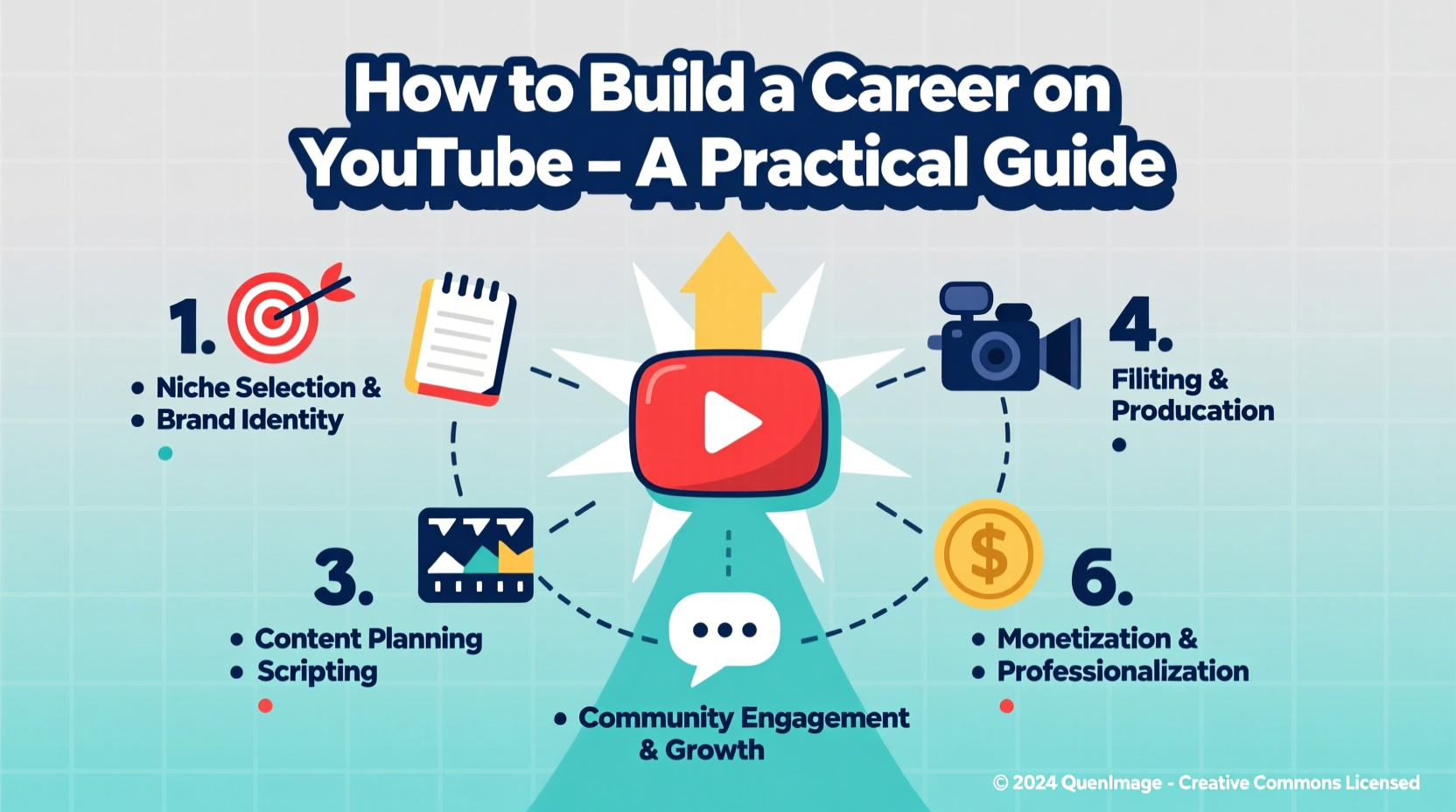
Most people assume that “working for YouTube” means being hired by Google (which owns YouTube) in Mountain View. While that’s one path, the reality is broader. Most professionals building careers with YouTube do so through:
- YouTube Partner Program (YPP): Monetizing your own channel via ads.
- Freelance Services: Editing, scripting, or managing channels for others.
- Affiliate & Sponsorship Work: Promoting products and earning commissions.
- YouTube-Centric Businesses: Courses, coaching, tools, or agencies serving creators.
- Direct Employment: Working at YouTube, Google, or official partner companies.
The most accessible entry point is becoming a YouTube creator. From there, you can expand into other roles based on your skills and interests.
Step-by-Step Guide to Launching Your YouTube Career
Building a career starts with launching a channel built on purpose, not randomness. Follow this timeline to lay a strong foundation.
- Define Your Niche (Week 1): Choose a topic you’re knowledgeable and passionate about—tech reviews, personal finance, cooking, fitness, etc. Specificity beats broad appeal early on.
- Research Audience Demand (Week 2): Use tools like Google Trends, YouTube search suggestions, and competitor analysis to validate interest.
- Set Up Your Channel (Week 3): Create a Google account, set up your YouTube profile with a clear name, banner, and description. Brand consistency matters.
- Create 5–10 High-Quality Videos (Weeks 4–8): Focus on solving problems or entertaining your target audience. Invest in decent audio and lighting.
- Optimize for Discovery (Ongoing): Use keyword-rich titles, descriptions, and tags. Design custom thumbnails that stand out.
- Engage & Grow (Months 3–6): Respond to comments, collaborate with small creators, and promote content on relevant platforms.
- Apply for YPP (Once Eligible): After reaching 1,000 subscribers and 4,000 watch hours in the past 12 months.
Success doesn’t come overnight. The average time to monetization is 8–12 months for dedicated creators.
Monetization Pathways Beyond Ads
Ad revenue from YouTube is often overestimated. The average CPM (cost per thousand views) ranges from $2 to $10, meaning 100,000 views might earn $200–$1,000. Relying solely on ads is risky. Diversify with these models:
| Revenue Stream | How It Works | Estimated Earnings Potential |
|---|---|---|
| Sponsorships | Paid partnerships with brands for product placement or dedicated videos. | $500–$10,000+ per video (based on audience size and niche) |
| Merchandise | Sell branded products via YouTube’s integrated merch shelf. | $5–$20 profit per item, scalable with audience size |
| Memberships | Exclusive content for paying subscribers ($4.99+/month). | 1–5% of viewers typically convert; $10k/month possible at 50k subs |
| Digital Products | Courses, templates, or e-books related to your expertise. | High margin (70–95%); one course can generate $10k+ |
| Affiliate Marketing | Earn commission promoting tools or services (e.g., cameras, software). | 5–20% commission per sale; passive income over time |
Top creators earn 70% or more of their income from non-ad sources. Treat your channel as a marketing platform for your broader business.
Real Example: From Side Hustle to Full-Time Creator
Lena Kim started her channel “Budget Bytes & Bites” during her lunch breaks as a financial analyst. She posted simple recipe videos using affordable ingredients, targeting young professionals on tight budgets.
Within six months, she hit 15,000 subscribers. A kitchenware brand reached out for a sponsorship. That single video paid $1,200—more than her monthly side gig income. She launched a $29 meal-planning template, promoted it in her videos, and sold over 800 copies in three weeks.
By month 10, Lena was earning $4,500/month from sponsorships, digital sales, and memberships. She left her job and now runs a small team producing content and managing brand deals.
Her success wasn’t due to virality—it came from consistency, niche focus, and treating YouTube as a business from day one.
“Your first 100 videos are practice. Don’t expect perfection. Expect progress.” — Matt Par, YouTube Educator & Creator Strategist
Avoid These Common Pitfalls
Many aspiring creators fail not from lack of talent, but from avoidable mistakes. Here’s what to watch for:
- Inconsistent Upload Schedule: Irregular posting confuses the algorithm and frustrates viewers.
- Neglecting Analytics: Ignoring metrics like CTR (click-through rate) and audience retention limits growth.
- Chasing Trends Blindly: Jumping on viral topics outside your niche attracts fleeting audiences.
- Poor Audio Quality: Viewers forgive lower video quality, but bad sound drives them away.
- Ignoring Community: Not replying to comments reduces engagement, which impacts visibility.
Checklist: Building a Sustainable YouTube Career
Use this checklist to stay on track as you grow:
- ✅ Define a clear niche and target audience
- ✅ Set up professional branding (name, logo, banner)
- ✅ Post consistently (at least once per week)
- ✅ Optimize every video for SEO (title, description, tags)
- ✅ Analyze YouTube Studio data weekly
- ✅ Engage with comments and community posts
- ✅ Diversify income beyond AdSense
- ✅ Protect your mental health—avoid burnout with scheduled breaks
Frequently Asked Questions
Do I need expensive equipment to start?
No. You can start with a smartphone, free editing software like DaVinci Resolve, and natural lighting. Invest in gear as you grow and generate revenue.
Can I work for YouTube without being a creator?
Yes. YouTube hires contractors for moderation, translation, and content review. Google also employs marketers, engineers, and policy specialists who work directly on YouTube. Check careers.google.com for openings.
How long does it take to make money?
Typically 6–12 months to reach monetization thresholds. Some earn earlier through sponsorships or digital products. It depends on niche, consistency, and marketing effort.
Final Thoughts: Turn Passion Into Profession
Building a career with YouTube isn’t about going viral—it’s about showing up, solving real problems, and creating value over time. The platform rewards consistency, authenticity, and business thinking. Whether you're aiming to become a top creator, launch a media business, or land a role supporting YouTube’s ecosystem, the opportunity is real and growing.
The barrier to entry has never been lower. The competition has never been higher. What sets successful creators apart isn’t luck—it’s discipline, adaptability, and the willingness to learn from every upload.




 浙公网安备
33010002000092号
浙公网安备
33010002000092号 浙B2-20120091-4
Comments
No comments yet. Why don't you start the discussion?