
Creating a custom cosplay wig doesn’t require expensive tools or professional training. With the right techniques and accessible supplies, you can craft a high-quality, character-accurate wig that stands out at conventions—without breaking the bank. Whether you're portraying a vibrant anime hero, a legendary video game warrior, or a fantasy icon, building your own wig gives you full creative control over color, texture, and style. This guide walks through every stage of the process, from sourcing materials to styling and finishing touches, all while keeping costs low and quality high.
Understanding Wig Construction Basics
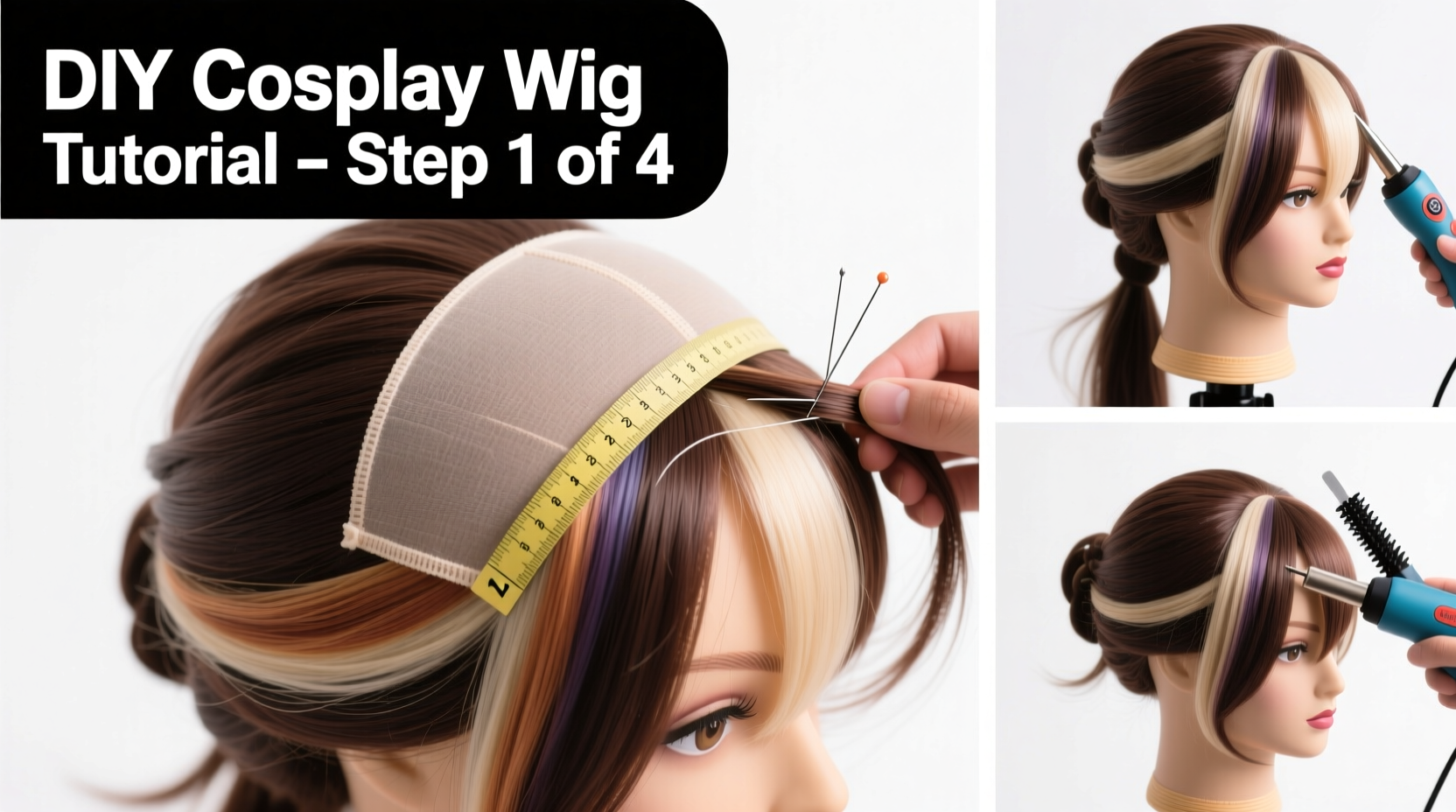
A cosplay wig isn’t just about hair—it’s a structured piece of wearable art. Most wigs are built on a cap foundation where synthetic fibers are attached either by wefting (sewing strips of hair) or hand-tying individual strands. While pre-made wigs are convenient, they often lack the exact color gradients, volume, or movement needed for accurate character representation. Building one from scratch allows customization at every level.
The two primary types of wig bases are:
- Mesh caps – Lightweight, breathable, and ideal for hand-tying or knotting individual hairs.
- Wefted lace fronts – Pre-sewn strips of hair that can be sewn onto a base for faster assembly.
Synthetic fibers are preferred for cosplay due to their durability, affordability, and ability to hold dramatic styles. Kanekalon and Toyokalon are top choices because they take heat well, allowing restyling with low-temperature tools.
“Hand-building a wig might seem daunting, but once you master the knotting technique, you’ll never look at store-bought wigs the same way.” — Lila Tran, Prop Stylist & Cosplay Mentor
Essential Materials and Where to Find Them Cheaply
You don’t need specialty stores or imported supplies to create a convincing wig. Most materials are available online or in craft shops. Here’s what you’ll need—and smart ways to save money:
| Material | Purpose | Budget-Friendly Source |
|---|---|---|
| Synthetic Kanekalon hair | Main fiber for styling | eBay, AliExpress, or bulk packs from Amazon (~$5–$10 per 20g) |
| Nylon wig cap (mesh) | Base for attaching hair | Dollar stores, beauty supply outlets, or repurpose old wigs |
| Wig needle & thread (nylon or polyester) | Sewing hair onto cap | Craft kits or multipacks under $3 |
| Scissors (sharp, pointed) | Cutting and trimming | Household scissors if sharpened; fabric shears work well |
| Heat-safe comb and tongs | Styling and texturizing | $10 mini flat irons from discount retailers |
| Latex or spirit gum | Securing lace front (optional) | Theater supply websites or Halloween shops |
Step-by-Step Guide to Building Your Wig
Follow this sequence to construct a durable, natural-looking wig tailored to your character.
- Prepare the Wig Cap
Select a mesh cap that fits snugly. Trim excess material around the hairline if needed. Mark front, crown, and nape areas lightly with chalk or washable marker. - Create or Attach a Lace Front (Optional)
For realistic hairlines, glue a thin strip of lace with pre-knotted baby hair along the forehead. Use spirit gum sparingly and allow it to dry completely before handling. - Section the Cap
Divide the cap into horizontal zones using pins or thread marks. Start from the bottom (nape) and work upward to maintain even distribution. - Cut and Load the Hair
Cut Kanekalon into small bundles (about 1–2 inches long). Fold each bundle in half to form a loop. Place the loop under the mesh, then pull the ends through to create a knot. Secure with a tight tug. Repeat across each section. - Work Row by Row
Begin at the nape and move forward. Keep knots tight but not so tight that the cap puckers. Overlap slightly to avoid visible gaps. Use smaller bundles near the face for softer edges. - Blend Colors Strategically
Layer different shades within sections for depth. For example, place darker roots beneath lighter tips to mimic natural dimension. Avoid abrupt transitions by alternating strands gradually. - Style with Heat Tools
Use a flat iron set below 300°F (150°C) to curl, wave, or straighten sections. Dip curls in cold water briefly to set shape. Never apply direct heat without testing on a strand first. - Final Trim and Volume Adjustment
Once styled, trim uneven lengths with sharp scissors. Tease roots gently at the crown for added height. Seal flyaways with a light mist of hairspray designed for synthetics.
Real Example: Crafting a Budget Naruto-Inspired Blonde Mane
Jessie, a college student attending her first anime convention, wanted to portray young Naruto Uzumaki. Store-bought blonde wigs looked flat and unnatural under lights. Instead, she built her own using $22 in total materials.
She started with a black mesh cap from a dollar store, then purchased two 20g packs each of bright yellow, golden blonde, and off-white Kanekalon. By layering the whitest strands at the crown and blending them outward with deeper tones, she achieved the sun-kissed effect seen in the series. She used a cheap flat iron to crimp random sections, mimicking Naruto’s spiky texture. After three evenings of work, the final wig had volume, movement, and authenticity that drew compliments all weekend.
Her total time investment was about 8 hours—less than the cost of a single premium wig—and she now uses the same method for other characters.
Do’s and Don’ts of DIY Cosplay Wigs
| Do | Don’t |
|---|---|
| Use heat-resistant fiber and test tools on scraps first | Apply high heat directly—melting ruins texture permanently |
| Knot tightly enough to prevent slippage | Over-tighten knots, which distort the cap and cause bald spots |
| Store finished wigs on a stand or mannequin head | Leave wigs crumpled in bags—this creates tangles and kinks |
| Wash occasionally with cool water and mild shampoo | Soak or scrub aggressively—synthetics degrade quickly |
| Customize part lines and bangs after construction | Cut too much early—always trim incrementally |
Checklist: Build Your First Cosplay Wig Successfully
- ☐ Choose a character reference image with clear hair details
- ☐ Gather all materials: cap, fiber, needle, thread, scissors, heat tool
- ☐ Section the cap and plan placement of colors and volume
- ☐ Begin knotting from the nape upward, maintaining consistent tension
- ☐ Blend multiple shades for realism and depth
- ☐ Style with low-heat tools and set curls with cold water
- ☐ Trim carefully and inspect for symmetry
- ☐ Store properly when not in use
Frequently Asked Questions
Can I make a wig without hand-tying every strand?
Yes. You can modify a pre-made wig instead of building from scratch. Cut off the original hair, keep the cap, and attach new wefts or hand-tied bundles only where needed—such as adding length, volume, or changing color zones. This hybrid method saves time and still offers customization.
How do I prevent tangling during events?
Before wearing, lightly condition the wig with a spray-on detangler made for synthetic fibers. Pack a small brush or wide-tooth comb in your kit. If possible, bring a spare ponytail or braid attachment to swap out during long days. Avoid windy outdoor areas when possible, and always store the wig on a stand overnight.
Is it safe to dye synthetic hair?
No. Traditional dyes will damage or dissolve synthetic fibers. However, you can use fabric paints or air-dry pigments mixed with a fabric medium to tint small areas—ideal for touch-ups or creating ombre effects. Always patch-test first.
Maintaining and Reusing Your Creation
A well-made cosplay wig can last through multiple events with proper care. After each use, gently remove dust and sweat with a damp cloth. For deeper cleaning, rinse under cool running water with a drop of baby shampoo. Never wring or twist. Lay flat on a towel to dry, away from sunlight.
When not in use, store the wig on a polystyrene head or inflated balloon to preserve shape. Wrap loosely in tissue paper if space is limited. Avoid plastic bags—they trap moisture and encourage static.
Many builders reuse caps for future projects. Carefully cut out old hair, preserving the mesh integrity. Reinforce weak spots with fabric glue or patches before starting anew.
Conclusion: Create, Transform, Inspire
Building a cosplay wig from scratch is more than a cost-saving hack—it’s an empowering act of creativity. With patience and attention to detail, you can produce results that rival professionally made pieces, all while expressing your unique vision of a beloved character. The skills you gain—knotting, blending, heat styling—are transferable across countless designs, opening doors to increasingly complex builds.




 浙公网安备
33010002000092号
浙公网安备
33010002000092号 浙B2-20120091-4
Comments
No comments yet. Why don't you start the discussion?