
In the heart of a bustling city or within the compact layout of a studio apartment, carving out personal space can feel like a luxury. Yet even in the smallest corners, it’s possible to create a retreat that invites stillness, focus, and joy—especially for readers who crave a dedicated spot to unwind. A reading nook doesn’t require square footage; it demands intention, creativity, and a few well-chosen elements. When designed thoughtfully, a quiet corner can transform into a sanctuary where stories come alive and daily stress fades. This guide walks through how to maximize limited space without sacrificing comfort, style, or function.
Choose the Right Corner
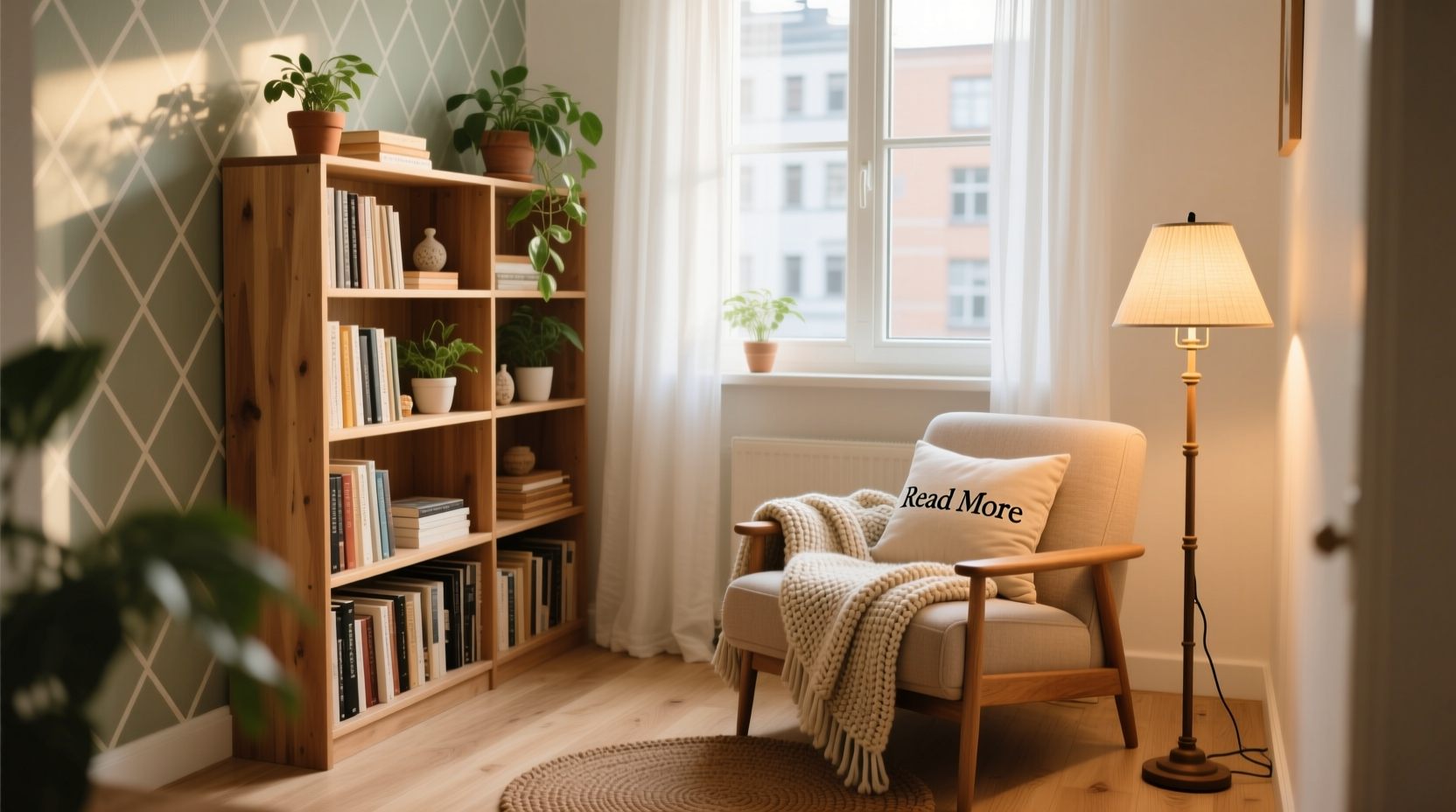
The first step in building a reading nook is identifying the ideal location. In a tiny apartment, every inch counts, so look for underused spaces: the alcove beside a closet, an empty wall near a window, or the recess behind your front door. Natural light enhances readability and contributes to a calming atmosphere, making south- or east-facing corners particularly valuable.
Avoid high-traffic zones such as hallways or entry points unless you can buffer the area visually with furniture or screens. The goal is psychological separation—a sense of stepping away from daily distractions—even if physically you're just a few feet from your kitchen.
Optimize Space with Compact Furniture
Furniture in a small-space reading nook must be both functional and minimal. Prioritize pieces scaled to fit tight dimensions while offering real comfort. Consider these options:
- A compact armchair or floor cushion: Look for models under 30 inches wide. Bean bags, papasan chairs (mini versions), or foldable sling chairs work well.
- Nesting side tables: Choose one that fits snugly next to your seat but can be tucked away when not in use.
- Built-in seating: If you’re open to DIY, construct a simple bench along the wall with storage underneath for books or blankets.
Multi-functional furniture maximizes utility. For example, a storage ottoman doubles as a footrest and hidden shelf. Wall-mounted drop-leaf tables eliminate the need for bulky end tables. The key is ensuring ease of movement—your nook should invite lingering, not obstruct navigation.
| Furniture Type | Ideal Size (Max) | Best For | Avoid If |
|---|---|---|---|
| Armchair | 28–32” width | Long reading sessions | Room is under 150 sq ft |
| Floor Pouf/Cushion | 24” diameter | Tight corners, renters | You prefer back support |
| Folding Stool + Lap Desk | Fits in 12x12” area | Ultra-small spaces | You read for over 30 mins daily |
| Window Seat Bench | Custom-fit to sill | Under-window areas | No structural support available |
Create Ambience Through Lighting and Texture
Lighting sets the tone for any reading environment. Overhead lights are often too harsh for relaxation, so layer illumination instead. Start with ambient lighting—such as a small floor lamp with a warm bulb (2700K–3000K)—positioned behind or beside your chair. Add task lighting via a clip-on LED book lamp or a wall-mounted swing-arm fixture to reduce glare on pages.
For nighttime reading, consider dimmable options or smart bulbs controlled by voice or app. Battery-powered fairy lights strung along the wall or ceiling add whimsy without requiring electrical modifications—ideal for rental-friendly setups.
Texture deepens coziness. Layer soft materials to engage the senses: a chunky knit throw, velvet cushion, or sheepskin rug underfoot. These tactile details signal comfort and encourage longer stays. Even in a minimalist aesthetic, warmth matters—cold floors and hard surfaces discourage prolonged sitting.
“Small spaces thrive on sensory richness. A well-lit corner with layered textiles feels expansive, even when it's only six square feet.” — Lena Park, Interior Designer & Small-Space Specialist
Step-by-Step Guide: Building Your Nook in 7 Days
Transforming a forgotten corner into a reading haven doesn’t have to take weeks. Follow this realistic timeline to complete your project efficiently, whether you're starting from scratch or refining an existing space.
- Day 1: Assess & Measure
Identify your chosen corner. Measure its dimensions, note power outlet locations, and observe light patterns throughout the day. - Day 2: Define Your Budget & Style
Determine how much you’re willing to spend. Decide on a mood: modern minimalist, bohemian, Scandinavian, etc. This guides material and color choices. - Day 3: Source Key Furniture
Purchase or repurpose a seat and small surface for holding books or tea. Check local marketplaces for compact secondhand items. - Day 4: Install Lighting
Add a plug-in floor lamp, wall sconce, or battery-powered fixtures. Avoid permanent wiring unless allowed by your lease. - Day 5: Introduce Storage
Use floating shelves, a narrow book caddy, or under-seat bins to keep reading material close but organized. - Day 6: Layer Textiles
Add a throw blanket, cushion, and small rug. Choose washable fabrics for easy maintenance. - Day 7: Personalize
Incorporate meaningful touches: a plant, framed quote, or photo. Test the space with a book and adjust positioning as needed.
Smart Storage Solutions for Books and Essentials
Storage is often the biggest challenge in micro-apartments. You don’t need a full bookshelf to keep your favorites accessible. Explore vertical and hidden options:
- Floating shelves: Install two or three above or beside your seat. Limit depth to 6–8 inches to avoid protruding into walkways.
- Ladder shelves: Narrow leaning units provide multiple tiers without blocking light.
- Basket caddies: Hang a fabric bin on the chair back or wall for current reads and reading glasses.
- Seat storage: Ottomans or benches with lift-up lids hide books, headphones, or extra blankets.
Rotate your collection seasonally to prevent clutter. Keep only 3–5 books on display—the ones you’re actively reading or deeply love. Store the rest in labeled bins under your bed or in closets, rotating them monthly like a personal library system.
Mini Case Study: Maya’s Balcony-Adjacent Nook
Maya lives in a 350-square-foot Brooklyn studio where space is always tight. Her breakthrough came when she noticed the unused wedge between her refrigerator and sliding glass door leading to a narrow balcony. Though only 3.5 feet wide, the spot received morning sunlight and was shielded from foot traffic.
She placed a low-profile folding armchair with a cushioned seat and added a magnetic whiteboard strip to the fridge side for holding bookmarks and notes. Above, she mounted a single floating shelf for her current novel and a succulent. A cordless LED floor lamp provided evening light, and a faux-fur throw made the seat inviting during colder months.
The result? A functional, serene corner where she now spends 30 minutes each morning with coffee and a book. “It feels separate from the rest of my apartment,” she says. “Even though I’m technically right next to the kitchen, it has its own vibe.”
Reading Nook Checklist
Use this checklist to ensure your nook includes all essentials before declaring it complete:
- ✅ Comfortable seating (tested for at least 30 minutes)
- ✅ Task lighting (no eye strain when reading)
- ✅ Surface for drink or book (within arm’s reach)
- ✅ At least one storage solution (visible or hidden)
- ✅ Soft textures (blanket, pillow, or rug)
- ✅ Noise reduction (if needed: curtains, plants, or sound-absorbing materials)
- ✅ Personal touch (art, plant, or object with meaning)
- ✅ Clear access path (no tripping hazards)
FAQ
Can I build a reading nook without drilling holes?
Absolutely. Renters can use floor lamps, freestanding shelves, adhesive hooks, and portable furniture. Avoid wall mounting by opting for lightweight alternatives like rolling carts or stackable crates.
How do I reduce outside noise in my nook?
Add thick curtains, a room divider, or indoor plants (which absorb some sound). Use a small white noise machine or play ambient music at low volume through wireless earbuds or a compact speaker.
What if my corner has no natural light?
Compensate with layered artificial lighting. Use a warm-toned floor lamp as ambient light and a focused reading light directed at the page. Mirrors opposite the seating area can reflect light and make the space feel larger.
Final Thoughts: Make It Yours
A cozy reading nook isn’t defined by size or expense—it’s shaped by attention to detail and personal resonance. In a tiny apartment, such a space becomes more than decorative; it serves as emotional infrastructure, a place to decompress, dream, and reconnect with yourself. The most effective nooks aren’t perfectly styled for Instagram—they’re lived-in, practical, and uniquely attuned to their owner’s rhythms.
Start small. Begin with a cushion in a quiet corner and build from there. Let your preferences guide you: if you love candlelight, add a flameless version for safety; if you enjoy tea, include a heat-safe coaster. Over time, your nook will evolve into a true extension of your inner world.




 浙公网安备
33010002000092号
浙公网安备
33010002000092号 浙B2-20120091-4
Comments
No comments yet. Why don't you start the discussion?