
A Christmas light tunnel can transform an ordinary front yard into a magical winter wonderland. More than just a string of lights, this immersive display invites guests to walk through a glowing corridor of holiday cheer. Whether you're aiming to delight neighborhood kids, boost seasonal spirit, or simply stand out from the average lawn setup, a well-designed light tunnel delivers unmatched visual impact. With thoughtful planning and basic construction skills, you can build one yourself—no professional experience required.
Why a Light Tunnel Captures Attention
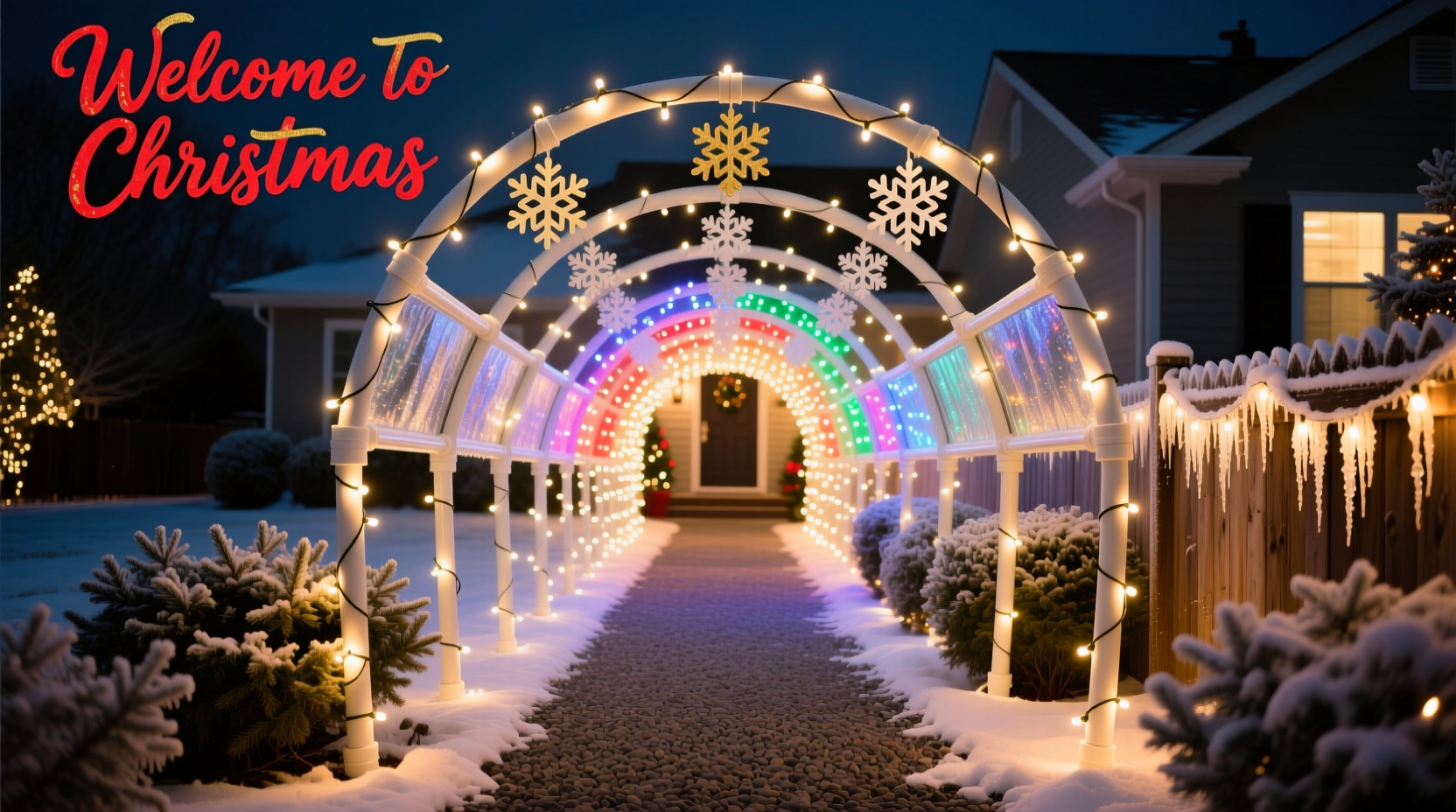
Traditional decorations like inflatable snowmen or roofline icicles are common. A light tunnel, however, offers movement, depth, and interaction. As people walk beneath it, the surrounding glow creates a sense of passage—like stepping into another world. This effect is especially powerful at night, when ambient lighting is low and the contrast between dark surroundings and vibrant LEDs is strongest.
Light tunnels also scale easily. You can build a compact version over a walkway or expand it into a full driveway archway. The structure supports creativity: mix colors, add motion effects, or sync lights to music for a dynamic show. Because they’re modular, most components can be reused year after year, making them a smart long-term investment in holiday curb appeal.
Materials and Tools You’ll Need
Building a durable, safe light tunnel starts with selecting the right materials. Avoid flimsy poles or indoor-only lights that won’t withstand wind or moisture. Below is a comprehensive list of what to gather before starting.
| Category | Item | Recommended Specs |
|---|---|---|
| Framing | PVC pipes (1–1.5” diameter) | 10-ft lengths, Schedule 40 for rigidity |
| Framing | PVC connectors (elbows, T-joints) | Matching pipe size; use cross joints for stability |
| Framing | Rebar stakes or ground anchors | 24-inch steel rods for securing frame in soil |
| Lighting | LED string lights (commercial grade) | IP65+ waterproof rating, 50+ bulbs per strand |
| Lighting | Extension cords (outdoor-rated) | 14-gauge, UV-resistant jacket |
| Tools | PVC cutter or hacksaw | For clean, burr-free cuts |
| Tools | Zip ties (UV-resistant, 8” and 12”) | Stainless steel screw type for heavy loads |
| Safety | GFCI outlets or power strips | Mandatory for outdoor electrical setups |
Optional upgrades include programmable RGB LED strips, remote controllers, or app-synced light sequences. For larger tunnels, consider renting a stepladder and enlisting a helper—working at height requires caution.
Step-by-Step Construction Guide
Follow this sequence to assemble a sturdy, visually striking light tunnel in one weekend.
- Measure and mark the layout. Decide where the tunnel will go—typically along a sidewalk or driveway edge. Use spray paint or garden stakes to outline two parallel lines, 5 to 7 feet apart depending on desired width. Mark arch positions every 3 to 4 feet.
- Build the arched frames. Cut PVC pipes into 10-foot lengths. Bend each into a semicircle by hand, inserting both ends into pre-driven rebar stakes (bent into U-shapes and hammered into the ground). Secure with zip ties at the base to prevent shifting.
- Connect arches horizontally. Run straight PVC sections along the top and sides, using elbow and T-connectors to join each arch. This creates a continuous frame that resists lateral movement in wind.
- Attach the lights. Begin at one end, wrapping LED strings tightly around the top rail. Use zip ties every 6 to 8 inches to prevent sagging. Add vertical strands down each leg, spacing evenly. Overlap strands slightly to avoid dark spots.
- Test and adjust. Plug in all lights using GFCI-protected outlets. Walk through the tunnel to check brightness, coverage, and flicker. Adjust placement or add strands as needed.
- Secure wiring. Route extension cords along the ground using cord covers or landscape edging. Elevate connections off the soil with bricks or plastic risers to prevent water pooling.
Design Ideas to Maximize Visual Impact
A functional tunnel is impressive—but a memorable one plays with color, rhythm, and theme. Consider these proven design strategies.
- Color zoning: Use warm white on lower sections and cool white or blue above to mimic a twilight sky.
- Dynamic effects: Incorporate chasing or fading LED strings for motion. Even subtle pulsing adds energy.
- Thematic alignment: Match your tunnel to an overall display—e.g., “North Pole Express” with red-and-white stripes, or “Winter Galaxy” with purple and silver accents.
- Entry and exit cues: Frame the openings with oversized bows, lit signs (“Welcome to Holiday Lane”), or potted evergreens wrapped in lights.
- Music synchronization: Connect smart lights to a Bluetooth speaker or holiday playlist via apps like Philips Hue or Holiday Coro.
One homeowner in Colorado layered green and white LEDs in alternating bands across their 20-foot tunnel, creating a candy cane spiral effect. “People drove from three neighborhoods over just to walk through it,” they reported. “Kids called it the ‘Peppermint Passage.’”
“Light tunnels work because they combine architecture and emotion. It’s not just about visibility—it’s about experience.” — Marcus Lin, Landscape Lighting Designer and Holiday Display Consultant
Mini Case Study: The Johnson Family Tunnel That Went Viral
The Johnsons in Portland, Oregon, wanted to uplift their community after a quiet pandemic season. They built a 30-foot-long light tunnel over their curved walkway using 12 PVC arches and nearly 50 strands of commercial LED rope lights. Instead of a single color, they used programmable RGB strips controlled by a $40 Wi-Fi module, allowing them to change patterns daily.
They added a small sign inviting visitors to text a song request, which they manually synced to the lights each evening. Local news picked up the story after a resident posted a video on social media showing children dancing under shifting aurora-like hues. By Christmas Eve, over 1,200 people had visited.
Key success factors:
- Used heavy-duty zip ties and double-grounded rebar stakes—no damage during a mid-December windstorm.
- Installed a covered junction box to protect electrical connections.
- Posted operating hours online to manage foot traffic.
Their total cost: $380. Most components were stored and reused the following year.
Safety, Durability, and Maintenance Checklist
To keep your tunnel safe and looking great all season, follow this checklist.
- ✅ Before Installation
- Check local ordinances on outdoor displays and electrical usage.
- Inspect all lights for frayed wires or broken sockets.
- Confirm GFCI protection on every circuit used.
- ✅ During Setup
- Anchor frames deeply—rebar should penetrate at least 12 inches into soil.
- Elevate power strips and transformers off the ground.
- Use drip loops on all cords to prevent water from running into outlets.
- ✅ Ongoing Maintenance
- Walk through weekly to check for loose ties or leaning arches.
- Clean debris (leaves, snow) from light strands to maintain brightness.
- Replace failed bulbs promptly to avoid cascading strand failure.
- ✅ After Season Removal
- Label and coil cords neatly to prevent tangling next year.
- Store PVC pipes vertically to avoid warping.
- Keep connectors in labeled bins by size and type.
FAQ: Common Questions Answered
Can I leave the tunnel up during rain or snow?
Yes—if you use only outdoor-rated, waterproof lights (look for IP65 or higher) and protect all electrical connections. Avoid submerging any part. In heavy snow, gently brush accumulations off the frame to prevent structural strain.
How many lights do I need for a 20-foot tunnel?
A typical 20-foot tunnel with 6 arches requires about 30–40 strands of 25-light mini LEDs, or 6–8 reels of LED rope lighting (each 16–20 feet long). Overlap slightly to eliminate dark zones.
Is PVC strong enough for windy areas?
Schedule 40 PVC is sufficient for moderate winds when properly anchored. For consistently high-wind regions, upgrade to fiberglass rods or lightweight metal conduit. Cross-bracing with horizontal beams also improves stability.
Final Thoughts and Call to Action
A DIY Christmas light tunnel isn’t just a decoration—it’s an invitation. It says your home is open, joyful, and invested in shared moments of wonder. With careful planning, quality materials, and attention to detail, you can build a display that becomes a neighborhood landmark.
The process strengthens more than your yard’s appearance; it builds connection. Children remember walking under shimmering arches. Neighbors stop to chat. Strangers slow their cars to look. These are the intangible returns no store-bought inflatables can match.




 浙公网安备
33010002000092号
浙公网安备
33010002000092号 浙B2-20120091-4
Comments
No comments yet. Why don't you start the discussion?