
Dogs are more than pets—they’re companions, confidants, and family. But the bond between human and dog isn’t automatic. While many dogs adapt quickly to their owners, genuine affection and deep trust require intentional effort. Building a relationship where your dog doesn’t just tolerate you but actively seeks you out, looks to you for comfort, and responds with enthusiasm takes more than food and walks. It demands consistency, empathy, and understanding of canine psychology. The good news? With the right strategies, any owner can cultivate a meaningful, lasting connection that transforms everyday interactions into moments of mutual joy.
Understand Your Dog’s Communication Style
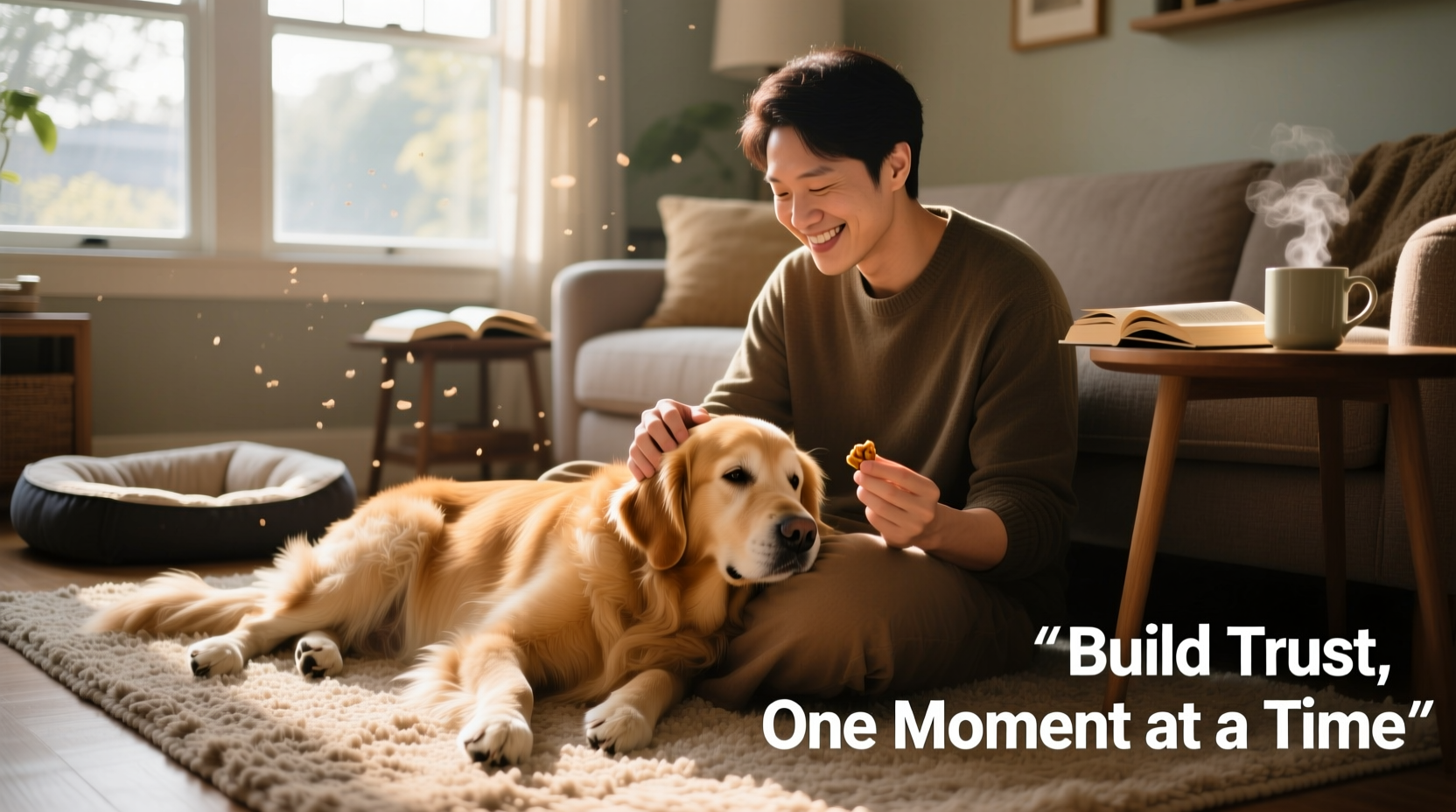
Dogs don’t speak our language, but they communicate constantly through body language, vocalizations, and behavior. Misreading these signals is one of the most common barriers to forming a strong bond. A wagging tail doesn’t always mean happiness; it can signal arousal or anxiety. Ears pinned back may indicate fear, not submission. Recognizing subtle cues—like lip licking, yawning, or averted gaze—can reveal stress before it escalates.
Observing your dog in different environments helps decode their emotional state. For instance, does your dog stiffen when strangers approach? Do they nudge your hand when you stop petting? These behaviors are invitations to engage or requests for space. Responding appropriately builds trust. When a dog feels understood, they’re more likely to view you as a safe, reliable presence.
Build Trust Through Predictable Routines
Dogs thrive on consistency. A predictable schedule for feeding, walks, play, and rest reduces anxiety and reinforces your role as a dependable caregiver. When a dog knows what to expect, they feel secure—and security is the foundation of attachment.
Start by establishing fixed times for meals and bathroom breaks. Follow this with structured activities like training sessions or controlled off-leash time. Even small routines, such as always putting on shoes before a walk, help your dog anticipate events and reduce confusion.
Consistency extends to rules too. If jumping on furniture is sometimes allowed and sometimes punished, your dog becomes confused and stressed. Clear boundaries, applied fairly every time, create a stable environment where trust can grow.
Step-by-Step Guide to Establishing Daily Routines
- Set fixed meal times (e.g., 7 AM and 6 PM).
- Schedule walks at consistent intervals (morning and evening).
- Designate a quiet zone for rest and sleep.
- Incorporate short training sessions (5–10 minutes) twice daily.
- End each day with calm interaction—gentle petting or soft talking.
Strengthen Bonds with Positive Reinforcement Training
Training isn’t just about obedience—it’s an opportunity for connection. When you use positive reinforcement (treats, praise, toys), your dog associates you with good experiences. Over time, this creates a powerful emotional link.
Focus on fun, low-pressure exercises like “sit,” “come,” or “touch.” Keep sessions brief and rewarding. The goal isn’t perfection but shared success. Celebrate small wins with enthusiasm. Your tone of voice, facial expression, and physical touch all contribute to how your dog perceives the experience.
| Skill | Benefit to Bond | Tips |
|---|---|---|
| Recall (\"come\") | Builds reliability and safety | Practice in distraction-free areas first |
| Stay | Enhances focus and self-control | Use high-value treats and gradual duration |
| Touch (nose to hand) | Encourages attention-seeking behavior | Great for shy or anxious dogs |
“Dogs learn to love us not because we feed them, but because we make them feel capable and understood.” — Dr. Patricia McConnell, Animal Behaviorist
Create Shared Positive Experiences
Affection grows through shared joy. Dogs remember experiences tied to emotion, especially those involving novelty, play, and exploration. Plan activities that excite your dog and involve you as a partner.
Hiking, scent games, agility drills, or even visiting new dog-friendly cafes can deepen your connection. The key is active participation. Let your dog lead sometimes—sniffing a tree or choosing a path—while you remain present and engaged. This balance of freedom and companionship fosters mutual respect.
Play is particularly powerful. Tug-of-war, fetch, or chase games release endorphins in both species. Just ensure rules are clear: use designated toys, allow “wins” for your dog, and end on a positive note.
Mini Case Study: Rebuilding Trust with Max, a Rescue Terrier
Max, a three-year-old Jack Russell mix, was adopted after spending months in a shelter. Initially, he avoided eye contact, flinched at sudden movements, and showed little interest in toys or treats. His new owner, Sarah, focused on routine and low-pressure interaction. She fed him at the same time each day, sat quietly nearby while reading, and used clicker training for simple tasks like touching a target stick.
Within six weeks, Max began initiating contact—nudging her hand, bringing toys, and sleeping at the foot of her bed. By prioritizing predictability and celebrating tiny steps, Sarah transformed Max from a withdrawn dog into a confident, affectionate companion. His transformation wasn’t due to lavish gifts or constant attention, but to consistent, patient effort.
Avoid Common Relationship Pitfalls
Even well-meaning owners can undermine their bond through unintentional mistakes. One major error is over-petting. While some dogs enjoy prolonged cuddling, others find it overwhelming, especially if initiated without consent. Watch for signs of discomfort—licking lips, turning away, or mild growling—and respect them.
Another pitfall is using punishment-based methods. Yelling, leash jerking, or dominance tactics may suppress behavior temporarily but damage trust. Dogs subjected to aversive techniques often become anxious or avoidant, associating their owner with fear rather than safety.
“Punishment stops behavior, but it also stops learning—and love.” — Karen Pryor, Pioneer in Clicker Training
Do’s and Don’ts for Strengthening Your Bond
| Do | Don’t |
|---|---|
| Respond to your dog’s cues with empathy | Force interactions when your dog seems reluctant |
| Use rewards to celebrate cooperation | Withhold food or affection as punishment |
| Provide mental stimulation daily | Leave your dog alone for extended periods regularly |
| Be patient during setbacks | Expect instant loyalty from rescue or shy dogs |
Frequently Asked Questions
How long does it take for a dog to truly bond with an owner?
Bonding timelines vary. Some dogs form attachments within days, especially if they’re sociable and well-socialized. Others, particularly rescues or dogs with trauma, may take weeks or months. Consistent care, patience, and positive experiences accelerate the process. The key is not rushing—trust cannot be forced.
Can older dogs develop strong bonds with new owners?
Absolutely. Age doesn’t prevent bonding. Older dogs often form deeper connections because they’re past the hyperactive puppy stage and seek stability. With gentle handling and routine, senior dogs can become exceptionally loyal and affectionate companions.
What if my dog seems indifferent or aloof?
Not all dogs express affection overtly. Some breeds (e.g., Shiba Inus, Basenjis) are naturally independent. Indifference may also stem from lack of socialization, medical issues, or past neglect. Rule out health problems first, then focus on building confidence through training and low-pressure interaction. Affection may manifest subtly—like resting nearby or checking in periodically.
Final Thoughts: Make Your Presence a Reward
The deepest canine bonds aren’t built through ownership, but through partnership. When your dog chooses you—not because you have treats, but because your presence means safety, fun, and understanding—you’ve achieved something profound. This kind of connection doesn’t happen overnight. It grows through daily acts of kindness, attentiveness, and respect.
Start today. Observe your dog’s mood. Adjust your routine. Play a game. Celebrate a small success. These moments accumulate into a relationship that lasts a lifetime. A dog who truly likes you isn’t just obedient—they’re eager, attentive, and emotionally invested. And that, more than any trick or title, is the mark of a lasting bond.




 浙公网安备
33010002000092号
浙公网安备
33010002000092号 浙B2-20120091-4
Comments
No comments yet. Why don't you start the discussion?