
A cluttered nightstand can silently disrupt your sleep environment. It may seem harmless—a book here, a phone charger there—but over time, excess items create visual noise that interferes with relaxation. Minimalism isn’t about deprivation; it’s about intentionality. By designing a nightstand with only what you truly need, you create a space that supports calm, clarity, and consistency in your nightly routine. This guide walks through how to curate a functional yet serene nightstand using just a few essential items, backed by practical steps, real-world examples, and expert insights.
Why Minimalism Matters at Your Nightstand
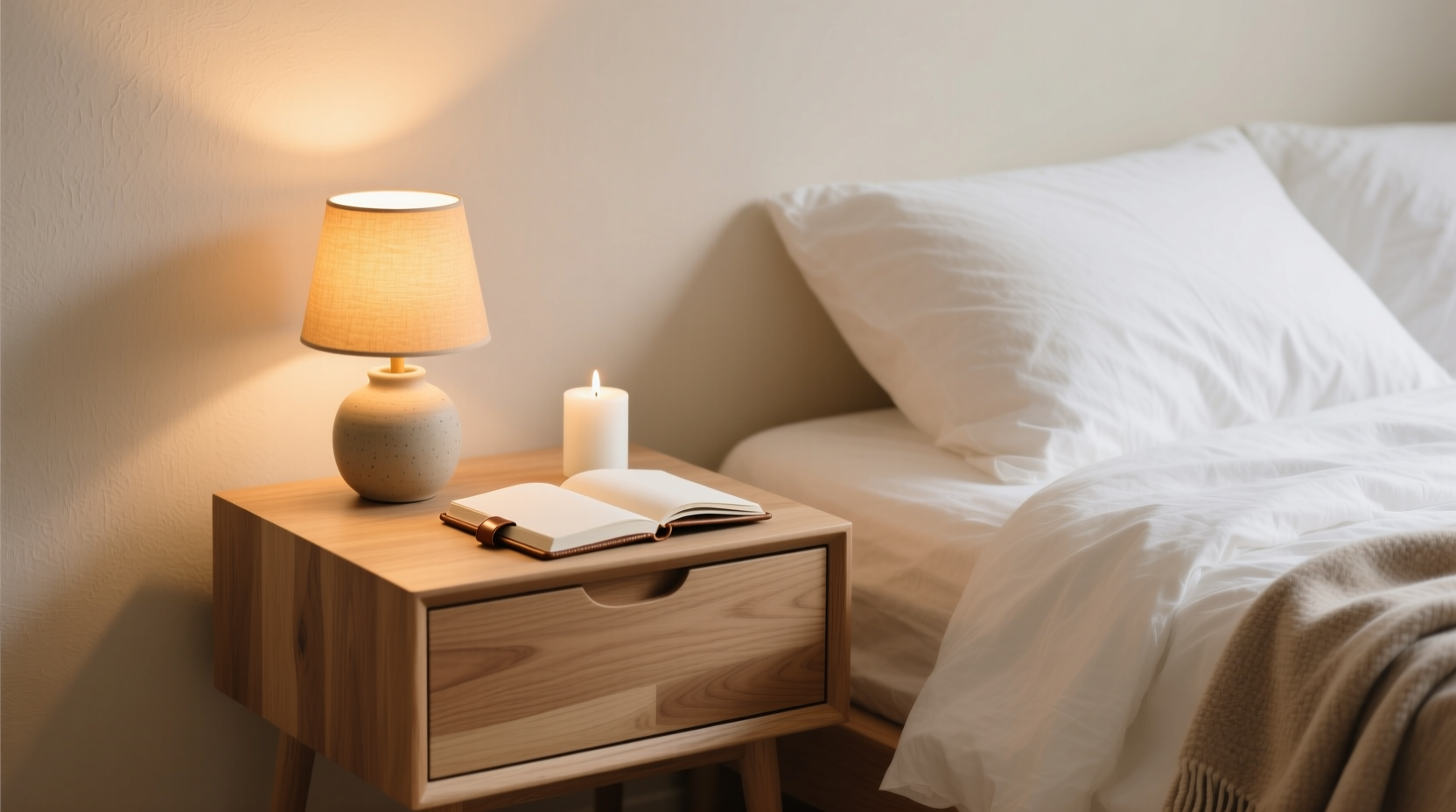
The nightstand is one of the most intimate spaces in your home. It’s the last thing you see before sleep and the first upon waking. When overloaded with random objects—makeup, old water glasses, unopened letters, or multiple devices—it becomes a subconscious source of stress. Research from the Princeton Neuroscience Institute shows that physical clutter competes for attention, reducing focus and increasing cognitive load. In the context of bedtime, this means slower mental unwinding and poorer sleep quality.
Minimalism counters this by promoting simplicity and mindfulness. A streamlined nightstand eliminates distractions, supports consistent habits, and enhances room aesthetics. More importantly, it reflects self-awareness: every item present has earned its place because it serves a clear purpose.
“The bedroom should be a sanctuary, not a storage unit. The fewer decisions you have to make at bedtime, the more easily your mind can transition into rest.” — Dr. Lena Torres, Sleep Environment Specialist
Essential Criteria: What Qualifies as ‘Essential’?
Before selecting items, define what “essential” means in your personal context. Not all minimal setups are identical—they depend on lifestyle, health needs, and routines. However, three core principles help determine whether an object belongs:
- Frequency of Use: Do you interact with it daily or near-daily?
- Functionality: Does it serve a critical role in your nighttime or morning ritual?
- Emotional Value: Is it calming or comforting in a way that actively improves sleep?
If an item doesn’t meet at least two of these criteria, consider storing it elsewhere. For example, a journal qualifies if you write nightly reflections (frequency + function), but a decorative candle only used occasionally fails both frequency and necessity tests unless it directly aids relaxation.
Step-by-Step Guide to Building Your Minimalist Nightstand
Creating a minimalist nightstand isn't about speed—it's about thoughtful editing. Follow this six-step process to refine your setup with precision.
- Clear Everything Off
Remove all items from your nightstand. Wipe down the surface. Start fresh, both physically and mentally. - Categorize Each Item
Sort removed items into groups: reading, hygiene, electronics, decor, medications, etc. This reveals patterns of accumulation. - Evaluate Using the Essential Criteria
Ask: Do I use this every night? Does it support rest or readiness? Be honest—no item gets a free pass due to guilt or cost. - Select Up to Five Core Items
Limit yourself to five or fewer permanent pieces. This constraint forces prioritization and prevents backsliding. - Optimize Placement
Arrange remaining items so they’re easy to reach in low light. Place frequently used objects closest to the bed edge. - Reassess Monthly
Set a calendar reminder to review your nightstand monthly. Remove anything that no longer fits your current rhythm.
Real Example: From Cluttered to Calm
Sarah, a freelance designer in Portland, struggled with insomnia. Her nightstand held a phone, tablet, three books, lotion, lip balm, hair ties, eye mask, water bottle, and a small plant. After learning about minimalist sleep environments, she cleared everything and asked herself which items were non-negotiable. She kept only her glasses, a single novel she was currently reading, a refillable glass water carafe, and a slim lamp with warm lighting. Within a week, she reported falling asleep faster and feeling less anxious at bedtime. The reduction in visual stimuli helped signal to her brain that this was a space for rest—not work, scrolling, or decision-making.
Recommended Essentials: A Balanced Selection
While individual needs vary, most effective minimalist nightstands include a combination of the following four categories:
| Category | Purpose | Example Items | Common Pitfalls |
|---|---|---|---|
| Lighting | Provides soft illumination without disrupting melatonin | Adjustable LED lamp, salt rock light | Bright white bulbs, oversized fixtures |
| Hydration | Encourages healthy nighttime sipping | Glass carafe with lid, ceramic cup | Plastic bottles, sugary drinks left overnight |
| Reading Material | Supports wind-down routine | One physical book or e-reader (without notifications) | Multiple unread books, tablets used for social media |
| Personal Care | Addresses immediate pre-sleep needs | Glasses case, hearing aid charger, prescribed nighttime medication | Makeup, skincare serums better stored in bathroom |
Note: Avoid charging phones directly on the nightstand unless using a dedicated drawer or shielded box. Blue light emissions and notification alerts interfere with sleep cycles. If you must charge your phone, do so across the room or use airplane mode.
What to Remove (And Where to Store Instead)
Letting go of certain items is often the hardest part. Below is a list of common nightstand offenders and their proper storage alternatives.
- Phone (used for scrolling): Move to a charging station in another room. Use a traditional alarm clock instead.
- Work-related notebooks or laptops: These blur boundaries between productivity and rest. Store in a home office or desk drawer.
- Makeup and beauty tools: Keep in the bathroom or vanity. Nightly skincare can be done there before entering the bedroom.
- Extra pillows or linens: Though convenient, they turn the nightstand into storage. Use under-bed containers or closets.
- Unfinished books or magazines: Rotate one book at a time. Store others on a living area shelf.
Remember, minimalism doesn’t mean sacrificing comfort—it means relocating items to where they belong. Your bedroom should support disengagement from stimulation, not enable it.
Checklist: Build Your Minimalist Nightstand in One Evening
Use this actionable checklist to complete your transformation in under an hour.
- ☐ Clear off your nightstand completely
- ☐ Wipe down the surface and inspect for damage or dust buildup
- ☐ Sort removed items into keep, relocate, donate, or discard piles
- ☐ Select up to five essential items based on usage and function
- ☐ Arrange items with breathing space—avoid crowding edges
- ☐ Replace any harsh lighting with warm, dimmable options (under 3000K)
- ☐ Label or box relocated items and put them in their new homes
- ☐ Set a 30-day follow-up reminder to reevaluate
Frequently Asked Questions
Can I still keep a photo frame on my nightstand?
Yes—if it brings genuine peace or positive emotion. Choose one meaningful image rather than a collection. Opt for a small frame (4x6 inches or smaller) and avoid emotionally charged or nostalgic photos that might stir rumination before sleep.
What if I need medication at night?
Nighttime medication is absolutely essential. Store it in a simple, labeled container on the nightstand. If you take multiple pills, use a weekly pill organizer to reduce packaging clutter. Just ensure non-medical items don’t accumulate around it.
Isn’t a minimalist nightstand too bare or cold?
Minimalism doesn’t require sterility. Warm materials like wood, linen, or ceramic add texture and comfort. A single plant (like a snake plant, which releases oxygen at night) or a soft fabric coaster can provide subtle warmth without compromising simplicity.
Final Thoughts: Less Isn’t Lacking—It’s Liberating
A minimalist nightstand isn’t defined by emptiness, but by purpose. Every object present should serve you quietly and consistently, enhancing your ability to rest deeply and wake with clarity. When you remove the unnecessary, you make room for presence—both in your space and in your mind.
This kind of intentional design doesn’t happen once; it evolves. As your routines shift, so can your nightstand. The goal isn’t perfection—it’s alignment. Alignment between how you live and how your environment supports you.




 浙公网安备
33010002000092号
浙公网安备
33010002000092号 浙B2-20120091-4
Comments
No comments yet. Why don't you start the discussion?