
Transforming a balcony into a green oasis is a rewarding way to bring nature into urban living. When pets are part of the household, this space becomes more than just a retreat—it’s an extension of their world. However, blending horticulture with pet safety requires careful planning. A poorly designed balcony garden can expose cats, dogs, or small animals to toxic plants, unstable structures, or escape risks. With thoughtful design and informed choices, it’s entirely possible to create a lush, vibrant garden that both you and your pets can enjoy—safely.
Assess Structural Safety and Balcony Limitations
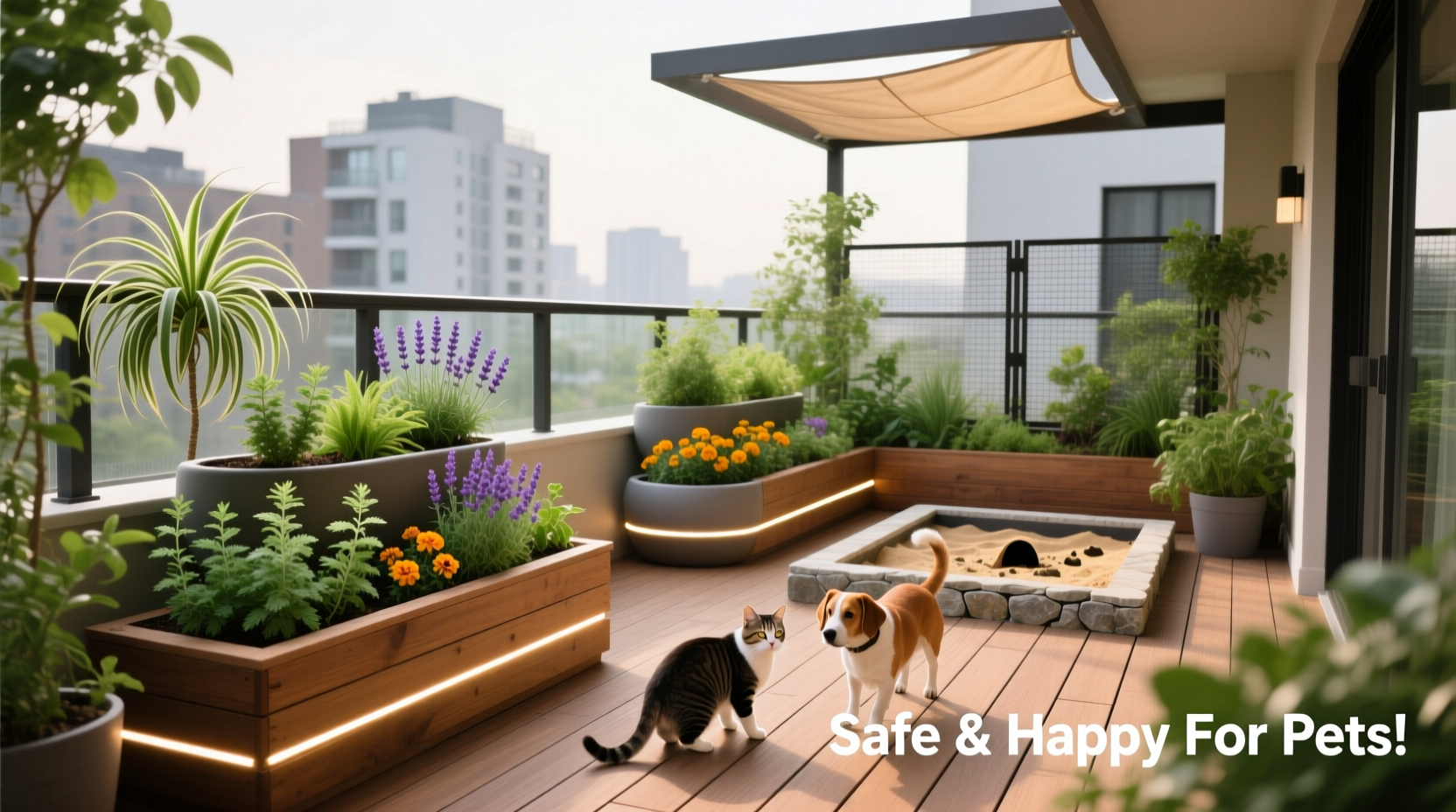
Before introducing soil, pots, and plants, confirm that your balcony can support the additional weight. Overloading can lead to serious structural issues, especially in older buildings. Most residential balconies are designed to handle about 50–60 pounds per square foot, but waterlogged soil, large containers, and furniture can quickly exceed that limit.
Start by consulting your building manager or reviewing architectural plans if available. If unsure, hire a structural engineer for an assessment. Once load capacity is confirmed, distribute weight evenly using lightweight materials like fiberglass planters, vertical wall gardens, or hanging baskets made from durable polymers.
Elevate planters on rolling trays with locking casters to allow mobility without dragging heavy containers across the surface. This also helps protect flooring from scratches and water damage.
Select Non-Toxic, Pet-Safe Plants
One of the most critical steps in creating a pet-safe garden is choosing flora that won’t harm curious noses or playful paws. The American Society for the Prevention of Cruelty to Animals (ASPCA) maintains an extensive database of toxic and non-toxic plants for cats, dogs, and horses. Relying on this resource can prevent accidental poisoning from ingestion or skin contact.
Many common ornamental plants—such as lilies, pothos, sago palms, and azaleas—are highly toxic to pets. Even mild exposure can result in vomiting, drooling, kidney failure, or worse. Opt instead for species known to be safe and resilient in container environments.
“Over 70% of emergency vet visits related to plant ingestion could be prevented with proper landscaping choices.” — Dr. Lena Torres, Veterinary Toxicologist
Recommended Pet-Safe Plants for Balconies
| Plant Name | Light Needs | Pet Safety | Brief Notes |
|---|---|---|---|
| Marigold (Tagetes) | Full sun | Dog-safe, mild cat caution | Vibrant color; deters some pests naturally |
| Blue Echeveria | Bright indirect light | Fully non-toxic | Succulent; drought-tolerant; low maintenance |
| Parlor Palm (Chamaedorea elegans) | Low to medium light | Fully non-toxic | Thrives in containers; excellent air purifier |
| Spider Plant (Chlorophytum comosum) | Indirect sunlight | Fully non-toxic | Grows well in hanging baskets; produces pups |
| Rosemary (Rosmarinus officinalis) | Full sun | Fully non-toxic | Edible herb; may repel fleas naturally |
Incorporate herbs like basil, thyme, and mint—they’re safe in moderation and add sensory enrichment for pets. Avoid essential oil-rich plants such as eucalyptus, tea tree, and citrus, which can be harmful even in small quantities.
Design Layout with Pet Behavior in Mind
Understanding your pet’s habits is essential when arranging a balcony garden. Dogs may jump or paw at plants out of curiosity; cats often explore elevated surfaces and may knock over containers. Design your layout to minimize temptation and maximize safety.
Install vertical gardens or railing-mounted planters to keep foliage out of reach. Use sturdy trellises for climbing plants like peas or scarlet runner beans, positioning them away from railings where pets might climb. Ground-level arrangements should feature robust, hard-to-topple pots—wide ceramic or stone-based containers work best.
Define clear pathways so pets can move freely without brushing against fragile stems. Leave at least 18–24 inches of open walkway, especially if your dog uses the balcony for bathroom breaks. Consider installing a small sod patch or artificial turf section in a designated zone to give dogs a familiar surface.
Case Study: A Cat-Friendly Balcony in Seattle
Jamie, a cat owner in downtown Seattle, converted her 6' x 8' balcony into a secure green space for her two indoor cats. She began by reinforcing the railing with stainless steel mesh extending 3 feet upward—a “catio” setup that prevents escapes while allowing airflow and views. She used wall-mounted planters filled with catnip, wheatgrass, and spider plants, all non-toxic and stimulating for felines.
To discourage climbing on delicate blooms, she placed textured rubber mats on lower shelves and trained her cats to use a sisal-covered perch. Motion-activated sprinklers set to low sensitivity deterred jumping without startling the animals. Within six weeks, the cats adapted to the new environment, spending supervised time outdoors daily. Jamie reported reduced anxiety and increased activity levels in both cats.
Secure the Space Against Escapes and Falls
Balconies pose inherent fall risks, especially for agile animals like cats or small dogs. Even a momentary distraction can lead to tragedy. Ensure all openings are secured with pet-safe barriers.
Use powder-coated metal mesh or polycarbonate panels to enclose gaps between railings. Mesh should have no more than 1-inch spacing to prevent heads or limbs from slipping through. Fasten all materials with rust-resistant hardware and inspect monthly for wear.
If you have sliding glass doors leading to the balcony, install a secondary gate or baby gate at pet height. This creates a buffer zone and prevents sudden dashes outside. Never leave pets unattended until you’ve tested the enclosure thoroughly.
Step-by-Step: Installing a Pet-Safe Balcony Enclosure
- Measure the perimeter of your balcony, noting railing height, door placement, and any obstructions.
- Select pet-safe mesh (e.g., aluminum or vinyl-coated steel) with tight weave and UV resistance.
- Cut panels to size, leaving 1–2 inches of excess for securing edges.
- Attach brackets every 12–16 inches along railings and walls using weatherproof screws.
- Secure mesh tightly with zip ties or clips, ensuring no sagging.
- Install a self-closing gate section for human access, ideally with a magnetic latch.
- Test stability by gently pushing on the mesh; repair any weak spots immediately.
For renters, removable tension rods with fabric screens offer a temporary solution. These can be taken down when moving and don’t require drilling.
Maintain a Healthy, Low-Risk Environment
A thriving garden needs ongoing care, but some maintenance practices can endanger pets. Avoid chemical fertilizers, pesticides, and slug pellets—many contain ingredients like metaldehyde or neem oil that are toxic if ingested.
Instead, use organic compost, worm castings, or fish emulsion. Introduce beneficial insects like ladybugs to control aphids naturally. For fungal issues, a diluted vinegar or baking soda spray (1 tsp per quart of water) can be effective and safe once rinsed.
Water management is equally important. Standing water attracts mosquitoes and may encourage pets to drink from contaminated sources. Use self-watering planters or drip irrigation systems on timers to maintain moisture without overflow. Elevate pots with feet to prevent water pooling.
Pet-Safe Garden Do’s and Don’ts
| Do’s | Don’ts |
|---|---|
| Use untreated wood or recycled plastic for raised beds | Use pressure-treated lumber (may leach arsenic) |
| Label all plants with pet safety status | Assume all \"natural\" products are safe |
| Provide shaded resting zones with cooling mats | Leave pets outside during extreme heat or cold |
| Wash paws after balcony time to remove soil residue | Allow unsupervised access until safety is confirmed |
| Rotate plants seasonally to prevent boredom | Introduce multiple new plants at once (hard to monitor reactions) |
Frequently Asked Questions
Can I grow vegetables on a pet-friendly balcony?
Yes, many vegetables are safe and enriching. Cherry tomatoes, snap peas, carrots, and lettuce are non-toxic and fun for pets to observe. Just ensure they don’t dig up seedlings. Use elevated beds or cages to protect growing crops.
How do I stop my cat from digging in planters?
Cats often dig due to instinct or texture preference. Cover soil surfaces with pebbles, pine cones, or aluminum foil temporarily. Offer an alternative digging box filled with potting mix or sand nearby. Growing cat grass in a separate container can redirect attention.
Is artificial turf safe for pets on balconies?
High-quality, non-toxic, drainage-enabled artificial turf is safe and easy to clean. Avoid cheap versions with lead or sharp backing. Rinse regularly to prevent odor buildup and bacterial growth.
Final Checklist Before Opening Your Garden
- ✅ Confirm balcony weight capacity with building management
- ✅ Choose only non-toxic plants verified by ASPCA guidelines
- ✅ Install secure mesh or barriers to prevent falls and escapes
- ✅ Use stable, pet-proof planters and mounting systems
- ✅ Eliminate chemical pesticides and fertilizers
- ✅ Test enclosure strength and supervise initial pet visits
- ✅ Provide shade, fresh water, and a comfortable resting area
Conclusion
Creating a pet-friendly balcony garden is not just about aesthetics—it’s about designing a shared sanctuary rooted in safety, respect, and joy. By prioritizing structural integrity, non-toxic plants, and behavioral awareness, you can cultivate a space where greenery and companionship thrive together. Whether it’s a dog lounging under a trellis or a cat batting at a hanging vine, these moments of peace are worth the thoughtful effort.




 浙公网安备
33010002000092号
浙公网安备
33010002000092号 浙B2-20120091-4
Comments
No comments yet. Why don't you start the discussion?