
Breaking into the modeling industry can feel overwhelming, especially when you're starting with little experience or connections. Yet, every top model began exactly where you are now—with ambition, a vision, and the willingness to learn. Success in modeling isn’t just about looks; it’s about professionalism, persistence, and strategic planning. This guide outlines the essential steps beginners need to take to lay a strong foundation and grow a sustainable modeling career.
Assess Your Goals and Type of Modeling
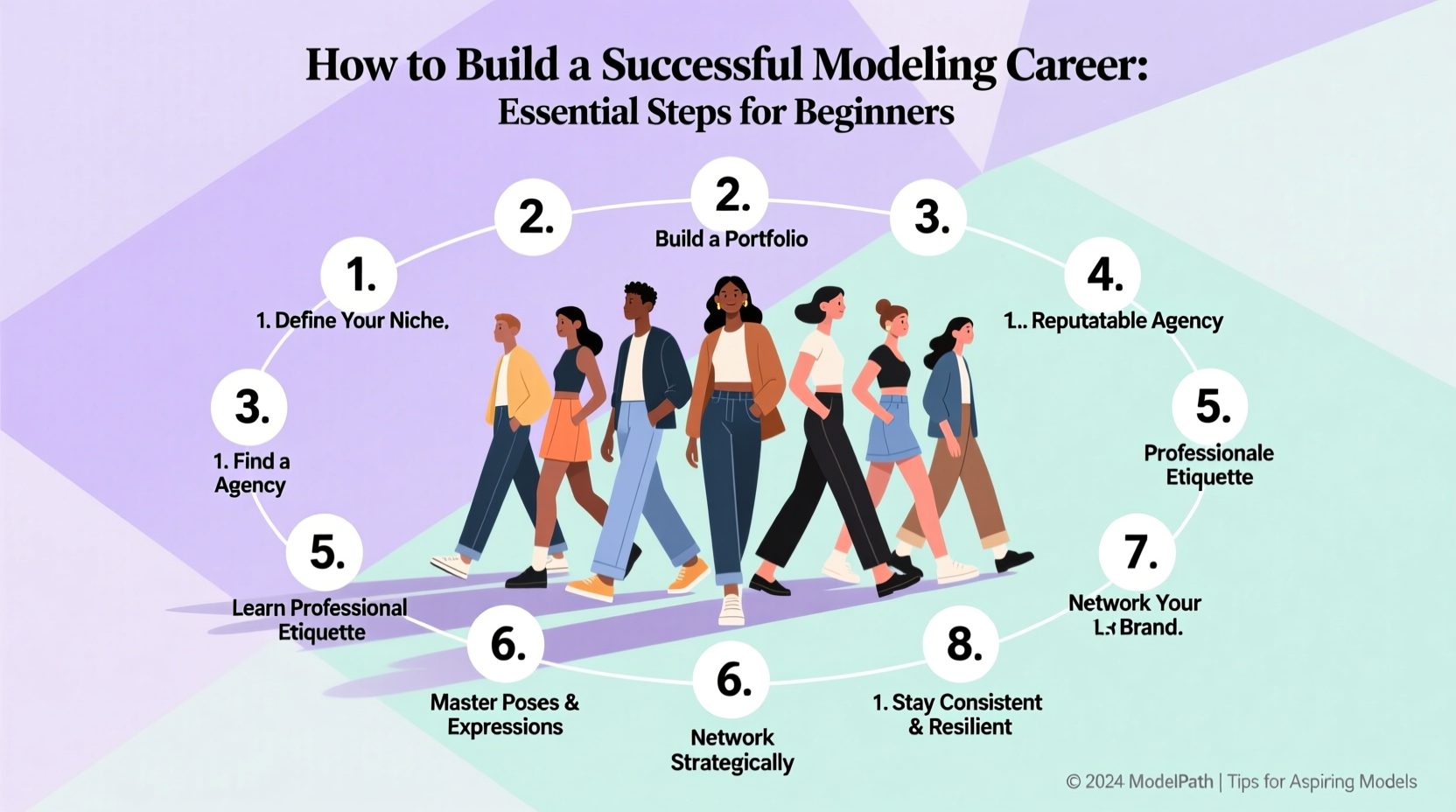
Before investing time and resources, clarify what kind of modeling aligns with your goals. The industry is broad, and each niche has different requirements:
- Fashion/Runway: Typically requires tall stature (5'9\"+ for women, 6'+ for men), slim build, and strong walk.
- Commercial/Print: Focuses on relatability and versatility; height and size standards are more flexible.
- Fit Modeling: Involves testing clothing samples; consistency in measurements is crucial.
- Promo/Event Modeling: Includes brand ambassador roles at events, trade shows, or retail spaces.
- Plus-Size, Mature, or Alternative Modeling: Growing niches that celebrate diversity in age, size, and look.
Build a Strong Foundation: Portfolio and Professional Images
Your portfolio is your visual resume. Agencies and clients will judge your potential based on your photos. You don’t need expensive shoots right away, but you do need clear, high-quality images that showcase your range.
Start with a basic comp card (composite card) and a digital portfolio including:
- A clean headshot (neutral expression, natural lighting)
- A full-body shot (front and side)
- 3–5 test shots showing different styles (e.g., editorial, commercial, lifestyle)
“Your first portfolio doesn’t have to be perfect—it needs to be real. We look for authenticity and potential, not perfection.” — Lena Torres, Senior Talent Scout at Metro Models NYC
Working with Photographers
Begin by collaborating with up-and-coming photographers who may offer trade-for-prints (TFP) arrangements. Ensure contracts are clear and that you receive full usage rights to the images. Avoid paying for “mandatory” photo packages from unverified agencies—this is often a red flag.
Find Reputable Representation
While some models succeed independently, signing with a credible agency significantly increases access to casting calls, fashion shows, and paid jobs. Research is critical.
Look for agencies with:
- Transparent fee structures (legitimate agencies earn commission only after you book work)
- A strong client list and active social media presence
- Positive reviews from current or former models
- Membership in industry associations like the Association of Model Agents (AMA)
| Do’s | Don’ts |
|---|---|
| Submit to multiple agencies to increase chances | Pay upfront fees for representation |
| Attend open calls with professional materials | Sign long-term contracts without legal review |
| Follow submission guidelines exactly | Trust promises of instant fame or guaranteed bookings |
Step-by-Step Guide to Launching Your Career
Follow this realistic timeline to move from beginner to working model:
- Month 1–2: Define your niche, get 3–5 quality test shots, create a comp card and online profile.
- Month 3: Research and submit to 10–15 reputable local agencies. Attend open casting calls.
- Month 4–5: Secure representation or begin freelance applications. Build social media presence with consistent branding.
- Month 6: Book first paid gigs (local ads, small fashion shoots, showroom appearances).
- Months 7–12: Expand network, travel for castings if possible, update portfolio quarterly, aim for larger campaigns.
“Success in modeling is less about being discovered and more about showing up consistently. The ones who last are the ones who treat it like a job.” — Jamal Reed, Former Model & Industry Coach
Develop Professional Habits and Skills
Being photogenic helps, but professionalism keeps you hired. Top agencies and clients value reliability, punctuality, and adaptability.
Essential skills to cultivate:
- Pose confidently: Practice in front of a mirror or record short videos to refine angles.
- Walk naturally: Watch runway tutorials and practice posture and stride.
- Communicate clearly: Respond promptly to emails and confirm details before shoots.
- Maintain physical health: Stay hydrated, eat balanced meals, and get enough sleep—your body is your instrument.
Mini Case Study: From Local Shoot to National Campaign
Sophia, 19, started modeling after a friend recommended a local photographer for a TFP shoot. She used those images to apply to three regional agencies. Within four months, she signed with a mid-tier commercial agency. Her first paid job was a regional department store catalog. Over the next year, she booked five more print campaigns, attended Fashion Week castings, and landed a national skincare ad. Her success came not from overnight fame, but from consistent follow-ups, punctuality, and treating every job as a learning opportunity.
Checklist: First 90 Days as an Aspiring Model
- Define your modeling type and target market
- Get professional headshots and test photos (TFP or low-cost)
- Create a comp card and digital portfolio PDF
- Research and submit to 10+ legitimate agencies
- Set up professional social media profiles (Instagram, TikTok, LinkedIn)
- Attend at least two open casting calls or networking events
- Track submissions and responses in a spreadsheet
- Enroll in a basic posing or runway workshop (optional but helpful)
Frequently Asked Questions
Do I need prior experience to start modeling?
No. Most agencies accept newcomers, especially if you have strong potential and a professional attitude. Test shoots and training workshops can help bridge the experience gap.
Can I model if I’m not extremely tall or thin?
Absolutely. Commercial, promotional, fit, and specialty markets value diverse body types. Many brands now prioritize inclusivity and real-world representation over rigid traditional standards.
How much can a beginner model expect to earn?
Earnings vary widely. Entry-level local print jobs may pay $100–$300 per day, while test shoots are often unpaid. With agency representation, rates increase. Always review contracts carefully and ensure payment terms are clear.
Conclusion: Start Now, Stay Consistent
Building a modeling career takes time, resilience, and smart decisions. There’s no single path, but every successful model shares one trait: they kept going. Begin with honest self-assessment, gather the right tools, connect with professionals, and treat every opportunity as a step forward. The industry rewards those who prepare, persist, and present themselves with confidence and integrity.




 浙公网安备
33010002000092号
浙公网安备
33010002000092号 浙B2-20120091-4
Comments
No comments yet. Why don't you start the discussion?