
Themed Christmas trees have evolved from nostalgic novelties into expressive centerpieces—part decoration, part narrative art. A movie-themed tree does more than reflect personal taste; it invites conversation, sparks nostalgia, and transforms holiday tradition into immersive storytelling. Unlike generic red-and-green schemes, a film-inspired tree anchors your space in shared cultural memory: the quiet magic of *The Polar Express*, the bold geometry of *Tron*, or the warm whimsy of *Paddington*. Success hinges not on expensive licensed merchandise, but on intentional curation—color harmony, symbolic ornament selection, layered texture, and emotional resonance. This guide walks through every practical decision, from choosing the right film to assembling a cohesive visual language—without requiring craft expertise or a studio budget.
1. Choosing the Right Film: Beyond Popularity
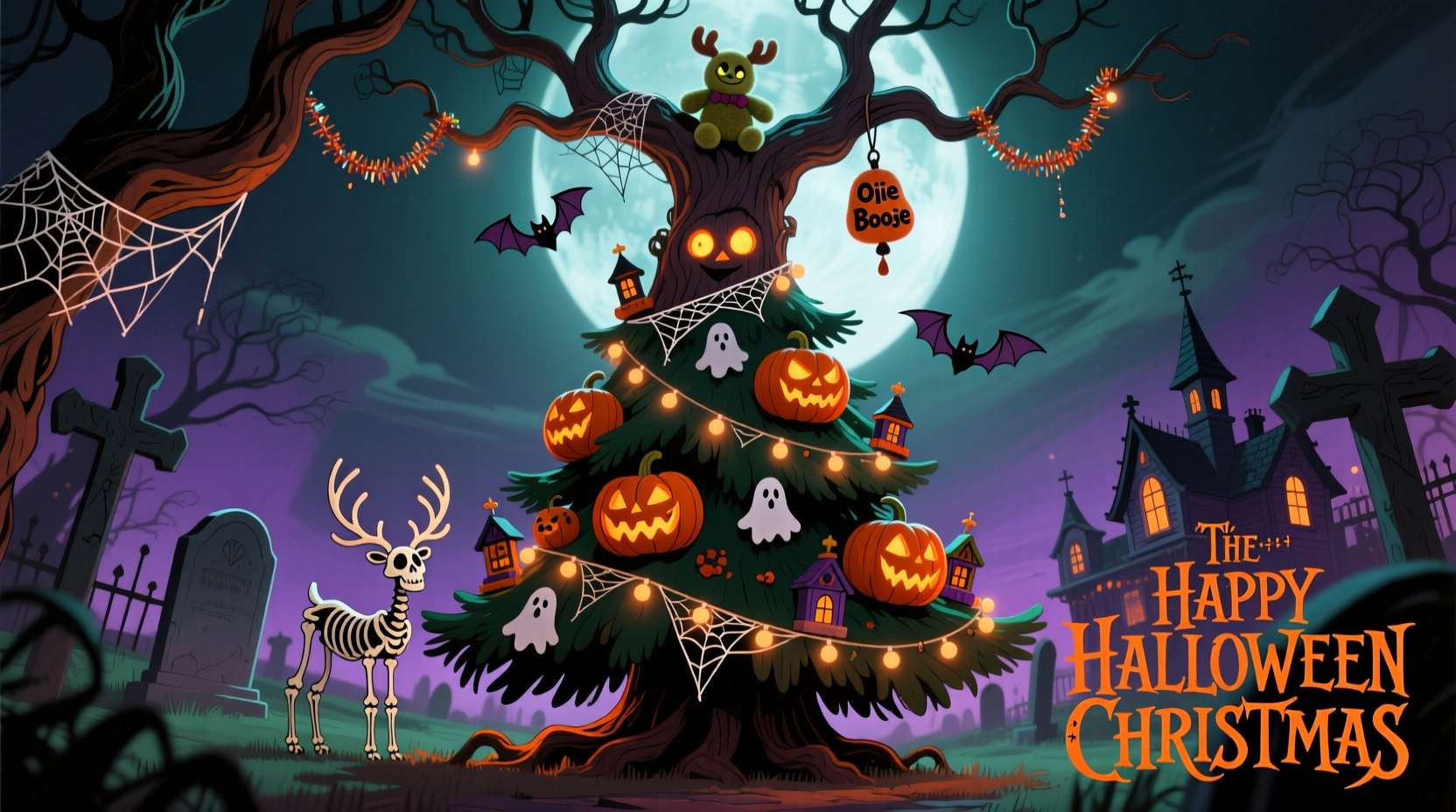
Selecting a movie isn’t just about personal affection—it’s about visual viability, emotional clarity, and decorative adaptability. Blockbusters like *Star Wars* or *Harry Potter* offer abundant merch, but their dense iconography can overwhelm without focus. Conversely, quieter films like *Little Women* (2019) or *Amélie* deliver rich color palettes and subtle motifs ideal for elegant, nuanced trees. Prioritize films with strong, consistent visual signatures: recurring colors, distinctive shapes (e.g., Gotham’s gothic arches in *The Dark Knight*), tactile textures (Hogwarts’ woolen scarves, *Up*’s weathered leather journal), or symbolic objects (the golden ticket, the One Ring, the blue rose from *Twin Peaks*).
Avoid films with tonal whiplash (e.g., *Pulp Fiction*’s juxtaposition of violence and humor) unless you’re deliberately curating irony—and even then, lean into one dominant mood. Also steer clear of franchises with inconsistent aesthetics across installments (*Transformers*’ shifting designs) unless you anchor to a single film’s look.
2. Building Your Visual Framework: Palette, Proportion & Texture
A successful movie tree relies on three interlocking elements: a disciplined color palette (no more than 3–4 core hues), thoughtful proportion (balancing ornament size, spacing, and tree density), and deliberate texture (glossy, matte, woven, metallic). Begin by extracting the film’s primary palette using a free tool like Coolors.co or Adobe Color—sample frames from key scenes. For *The Wizard of Oz*, that’s emerald green, sunflower yellow, ruby red, and sky blue—not every color from the film, but those that define its emotional core.
Next, consider proportion. A slender, tall tree suits *Black Panther*’s Wakandan verticality and vibranium accents; a full, rounded Nordmann fir evokes *Home Alone*’s cozy, lived-in warmth. Avoid overcrowding: aim for 15–20 ornaments per foot of tree height, varying sizes (large focal pieces at eye level, small details near tips). Texture adds depth: mix matte paper stars (*A Wrinkle in Time*’s cosmic simplicity) with high-gloss acrylic orbs (*Blade Runner 2049*’s neon reflections) and hand-stitched felt characters (*Winnie the Pooh*).
| Film Example | Core Palette | Key Textures | Proportion Tip |
|---|---|---|---|
| The Grand Budapest Hotel | Pink, purple, mint, ivory | Matte paper, velvet ribbon, frosted glass | Use a narrow, conical tree to echo the hotel’s architectural symmetry |
| Toy Story | Primary red, cobalt blue, sunshine yellow | Plastic, rubber, fabric, glossy paint | Opt for a medium-full tree—dense enough for “toy clutter,” open enough to see layered ornaments |
| La La Land | Tangerine, teal, mustard, charcoal | Metallic foil, satin ribbon, brushed brass | Choose a tree with strong horizontal branches to mimic the film’s wide-screen framing |
3. Ornament Curation: Meaning Over Merchandise
Licensed ornaments are convenient but rarely capture a film’s soul. Instead, prioritize handmade or repurposed items that embody narrative essence. A *Casablanca* tree doesn’t need a Rick’s Café sign—it needs miniature typewritten letters (“Here’s looking at you, kid”), tiny vintage suitcases wrapped in brown paper, and deep navy baubles echoing Captain Renault’s uniform. Each ornament should answer: *What does this represent emotionally or thematically?*
Break ornaments into tiers:
- Focal Ornaments (20%): Large, statement pieces placed at eye level (5–6 ft). Examples: A carved wooden TARDIS for *Doctor Who*, a resin-cast Death Star for *Star Wars*, or a delicate porcelain teacup for *Alice in Wonderland*.
- Narrative Ornaments (50%): Medium-sized items telling micro-stories: tiny books for *Pride and Prejudice*, origami cranes for *The Last Samurai*, or miniature lanterns for *Mulan*.
- Atmospheric Ornaments (30%): Abstract or textural elements reinforcing mood: iridescent feathers for *Pan’s Labyrinth*, copper wire spirals for *Inception*, or dried lavender bundles for *Little Women*.
DIY doesn’t require advanced skill. Cut silhouettes from black cardstock (*No Country for Old Men*’s desert horizon), wrap plain balls in washi tape matching costume fabrics (*The Great Gatsby*’s art deco patterns), or decoupage film stills onto wooden discs using Mod Podge.
4. Step-by-Step Assembly Timeline
Building a movie tree is iterative—not linear. Follow this 5-day framework for stress-free execution:
- Day 1 – Research & Sketch: Watch the film. Capture screenshots of 3 pivotal scenes. Sketch a simple tree diagram noting where focal ornaments will land (top third = hero moments; middle = character interactions; lower third = setting details).
- Day 2 – Palette & Base Prep: Paint or spray-paint plain white bulbs in your core colors. Wrap ribbon around the trunk in your dominant hue. Set aside 3–5 “anchor” ornaments you’ll place first.
- Day 3 – Focal Layer: Hang all large focal ornaments. Stand back every 3–4 pieces. Adjust spacing until balance feels intuitive—not symmetrical, but rhythmically weighted.
- Day 4 – Narrative Layer: Add medium ornaments, clustering related items (e.g., *Frozen*’s snowflakes, ice crystals, and tiny crowns near each other). Vary heights on branches—not all at branch tips.
- Day 5 – Atmospheric Finishing: Weave in textural elements: tuck faux ivy (*Robin Hood*), drape gauzy silver mesh (*Moonrise Kingdom*), or hang delicate paper stars (*It’s a Wonderful Life*). Top with a custom topper—a cardboard crown, a folded paper owl, or a miniature lighthouse.
“Themed trees succeed when they feel *lived-in*, not catalog-perfect. A slightly crooked ornament or uneven ribbon knot adds human warmth—the same warmth that makes movies resonate.” — Lena Torres, Prop Stylist & Holiday Design Consultant, featured in *Architectural Digest* and *Martha Stewart Living*
5. Real-World Case Study: The “Studio Ghibli” Tree
When Sarah Chen, a graphic designer in Portland, decided to honor her childhood love of Studio Ghibli films, she rejected the obvious route—Totoro plushes and Howl’s Castle replicas. Instead, she focused on *Spirited Away*’s emotional journey: transformation, quiet courage, and the beauty in mundane details. Her palette: misty gray (bathhouse steam), moss green (forest spirits), indigo (night river), and soft peach (Chihiro’s scarf).
She crafted 42 ornaments over three weekends: pressed ferns sealed in resin (forest spirits), hand-blown glass bubbles filled with dried rice (river stones), ceramic mushrooms painted with gold leaf (soot sprites), and tiny origami paper birds (No-Face’s transformation). She skipped tinsel entirely—replacing it with twisted copper wire mimicking the bathhouse pipes. The tree stand held a shallow dish of water with floating candle stubs, evoking the spirit river. Guests didn’t immediately recognize the theme—but they consistently described it as “peaceful,” “ancient,” and “deeply kind.” That, Sarah says, was the truest tribute to Miyazaki’s work.
6. Common Pitfalls & How to Avoid Them
Even seasoned decorators stumble when translating film logic to tree logic. Here’s what to watch for:
- Overloading on Logos: A tree covered in branded logos (*Marvel*, *Disney*) reads as advertising—not storytelling. Replace logo balls with symbols: an infinity stone shape instead of the Avengers emblem; a shield silhouette instead of Captain America’s star.
- Ignoring Scale Dissonance: Placing a 6-inch Darth Vader bust next to 1-inch X-Wings breaks visual harmony. Stick to one scale tier per ornament type—or intentionally exaggerate scale for surreal effect (*Alice in Wonderland*’s giant playing cards).
- Forgetting Light Interaction: Glossy ornaments reflect lights dramatically; matte ones absorb them. Test your ornaments under your tree lights before final placement. A *Blade Runner* tree needs reflective surfaces to catch colored LEDs; a *Pride and Prejudice* tree benefits from soft, diffused light on linen-wrapped balls.
- Skipping the “Why” Behind Colors: Using *The Matrix*’s green solely because it’s iconic misses its purpose: digital decay, artificiality, surveillance. Counterbalance with warm amber (Neo’s humanity) and deep black (the real world) to add nuance.
7. FAQ
Can I theme a tree around a movie with dark or mature themes?
Absolutely—but pivot toward symbolism, not literalism. For *The Godfather*, use olive branches (family), antique keys (secrets), deep burgundy velvet ribbons (power), and unlit candles (silence). Avoid violent imagery. Focus on the film’s underlying values: loyalty, consequence, legacy.
What if I can’t find or make ornaments for my chosen film?
Abstract representation is stronger than literal replication. *Inception* becomes nested wooden rings; *Her* becomes soft pink spheres with handwritten notes about connection; *Schindler’s List* uses a single red ornament amid muted grays—a powerful, respectful nod without appropriation.
How do I explain the theme to guests who don’t know the film?
Include a small, elegant card near the tree: “This tree honors [Film]—inspired by its [color palette / central metaphor / emotional tone].” No spoilers, no jargon. Let the visuals speak first; the context gently supports understanding.
Conclusion
A movie-themed Christmas tree is never really about the film—it’s about the version of yourself that the film helped shape. It’s the child who believed in magic after *E.T.*, the teen who found courage in *The Hunger Games*, the adult who recognized grief in *Coco*. When you choose colors, cut paper, wind ribbon, and place each ornament with intention, you’re not decorating a tree—you’re curating a memory, honoring a feeling, and extending a story beyond the screen. You don’t need perfection. You need presence. Start with one color. Find one symbol. Make one ornament. Let the rest unfold with patience and playfulness. Your tree won’t be “Instagram-ready”—it’ll be *yours*: layered, meaningful, quietly unforgettable.




 浙公网安备
33010002000092号
浙公网安备
33010002000092号 浙B2-20120091-4
Comments
No comments yet. Why don't you start the discussion?