
Transforming a bedroom or personal space into a tribute to your favorite anime series can be deeply rewarding. But there’s a fine line between a stylish homage and an overwhelming shrine. The goal isn’t to replicate a scene from the show—it’s to create a serene, cohesive environment that reflects your passion while maintaining elegance and livability. Done right, an anime-themed room becomes a sanctuary that balances fandom with sophistication.
Tasteful design respects both the artistry of the medium and the principles of interior harmony. It avoids clutter, loud branding, and visual chaos. Instead, it uses subtle cues, curated memorabilia, and intentional color palettes to evoke the spirit of the series without dominating the space. Whether you’re drawn to the ethereal beauty of Studio Ghibli, the bold energy of *My Hero Academia*, or the melancholic depth of *Neon Genesis Evangelion*, thoughtful integration is key.
Define Your Design Philosophy
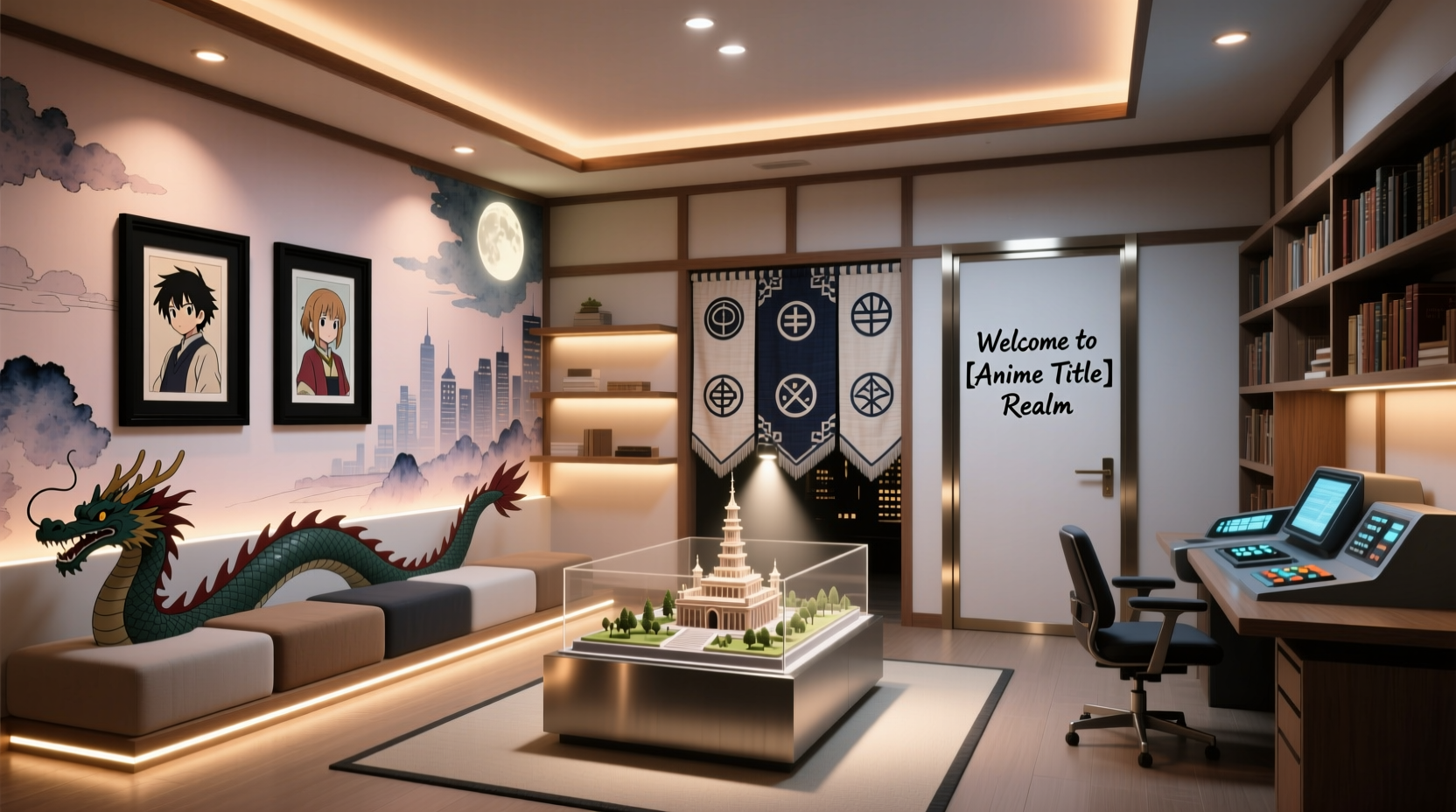
Before purchasing posters or paint, clarify your intent. Are you aiming for a mood-inspired space, or do you want recognizable references? A “tasteful” anime room often leans toward abstraction—using themes, symbols, and atmospheres rather than literal depictions.
Start by identifying core elements of the series: its color palette, emotional tone, recurring motifs, and cultural influences. For example, *Spirited Away* evokes mystery, transformation, and Japanese folklore. Rather than covering walls with character posters, consider using soft lavender and moss green tones, wooden textures, and minimalist artwork inspired by Shinto gates or paper lanterns.
Avoid treating the room like a retail display. Resist the urge to showcase every collectible. Instead, rotate items seasonally or spotlight just a few high-quality pieces. This approach keeps the space dynamic and prevents visual fatigue.
Select a Cohesive Color Palette
Color sets the emotional foundation of any room. Anime series often have distinct visual identities—use them as inspiration, not imitation. Pull dominant and accent colors from key scenes or promotional art, then adapt them to work in a real-world setting.
For instance, *Attack on Titan* features stark grays, deep blues, and blood red accents. In a bedroom, these could translate into charcoal-gray walls, navy bedding, and a single crimson throw pillow or framed piece of abstract art suggesting movement and tension.
Conversely, *Your Name* relies on warm ambers, soft pinks, and twilight purples. These can be applied through ambient lighting, sheer curtains, and gradient wall paint to mimic a dusky sky.
“Color psychology plays a major role in how we experience space. Even in themed rooms, harmony should trump spectacle.” — Lena Tran, Interior Designer & Pop Culture Space Specialist
Stick to a maximum of three primary colors and use neutrals (white, beige, gray) to balance intensity. Over-saturation leads to sensory overload, especially in small rooms.
Incorporate Subtle, High-Quality Decor
The most tasteful anime rooms rely on implication, not declaration. Instead of mass-produced posters, invest in museum-quality prints, hand-drawn reproductions, or officially licensed art books displayed on open shelves.
Consider framing a single iconic still from the series using archival materials and simple black or wood frames. Place it above a desk or bed as a focal point. Alternatively, commission an artist to create an original interpretation—perhaps a watercolor landscape inspired by *Demon Slayer*’s forests or a geometric take on *Cowboy Bebop*’s spaceship silhouettes.
Furniture choices should complement the theme without being literal. A sleek, low platform bed might echo the minimalist interiors of many anime homes. A vintage rotary phone or analog clock can nod to retro-futuristic settings without screaming “fan item.”
| Anime Series | Design Theme | Subtle Decor Ideas |
|---|---|---|
| Studio Ghibli | Nature, whimsy, tranquility | Wooden furniture, cloud-shaped lights, plant terrariums, soft fabric textures |
| Death Note | Mystery, intellect, minimalism | Black leather chair, dimmable task lighting, monochrome bookshelf, abstract notebook art |
| One Piece | Adventure, nautical exploration | Rope details, compass decor, map wallpaper (non-copyrighted), anchor-shaped hooks |
| Haikyuu!! | Energy, teamwork, motion | Dynamic line art on walls, sporty color-blocking, motivational quotes in Japanese calligraphy |
Curate Memorabilia with Intention
Figures, plushies, and Blu-ray cases are part of the experience—but they shouldn’t dominate. Think like a gallery curator: each item should earn its place.
Display figures in glass cabinets or on floating shelves with proper spacing. Avoid clustering them haphazardly. Rotate displays every few months to keep the room feeling fresh and prevent dust buildup.
If you own limited-edition merchandise, treat it like art. Mount a signed cel (if authentic) with UV-protective glass. Store unused items in labeled, climate-controlled boxes to preserve value and reduce clutter.
For those who love interactive elements, consider a “watch corner”—a cozy nook with a tablet stand, noise-canceling headphones, and a cushion embroidered with a subtle logo. This separates functional fandom from decorative design.
Mini Case Study: The *Sailor Moon* Bedroom Makeover
Sophie, a graphic designer in Portland, wanted to honor her lifelong love of *Sailor Moon* without making her apartment look like a teenage shrine. She began by painting one accent wall a soft moonlight blue. She installed a crescent-shaped shelf to hold a single vintage Luna doll and a crystal geode.
Instead of posters, she commissioned a local artist to create a minimalist ink drawing of the Sailor Guardians as silhouettes against a starry background. The piece hangs above her bed in a slim silver frame. Her bedding uses white and pale gold with subtle star patterns woven into the fabric.
The result? A serene, elegant space that feels personal but not overwhelming. Guests often compliment the “cosmic vibe” without immediately recognizing the anime connection—proof that subtlety can speak volumes.
Step-by-Step Guide to Building Your Themed Room
- Choose Your Anchor Series: Pick one anime that resonates most deeply with you. Avoid mixing multiple franchises unless they share a universe or aesthetic.
- Analyze Visual Elements: Watch key episodes or browse official art to identify colors, symbols, architecture, and moods.
- Create a Mood Board: Use digital tools or a physical board to compile color swatches, fabric samples, and decor ideas that reflect the anime’s essence.
- Declutter First: Remove unnecessary furniture and items. A clean canvas ensures your theme stands out without competition.
- Paint or Wallpaper: Apply a neutral base coat, then add one accent wall if desired. Consider removable wallpaper with subtle patterns (e.g., cherry blossoms, circuit boards).
- Select Key Decor Pieces: Choose 2–3 high-impact items—like a framed art print, sculpture, or custom textile—that represent the series.
- Incorporate Lighting: Use adjustable lamps, string lights, or backlit panels to enhance atmosphere without glare.
- Add Personal Touches: Include handwritten quotes, a journal for reflections, or a playlist of the anime’s soundtrack.
- Limit Merchandise Display: Showcase only your most meaningful collectibles. Store the rest respectfully.
- Review & Refine: Live in the space for a week. Adjust lighting, rearrange furniture, or remove items that feel excessive.
Checklist: Building a Tasteful Anime Room
- ✅ Selected one primary anime as inspiration
- ✅ Identified 3–5 core colors from the series
- ✅ Chosen a dominant mood (e.g., peaceful, energetic, mysterious)
- ✅ Removed at least 30% of existing clutter
- ✅ Purchased one high-quality art piece or custom decor
- ✅ Installed layered lighting (ambient, task, accent)
- ✅ Limited visible merchandise to 5–7 curated items
- ✅ Used textiles (rugs, curtains, pillows) to reinforce theme subtly
- ✅ Ensured the room remains functional for sleep, work, or relaxation
- ✅ Received honest feedback from a non-fan friend
Common Pitfalls to Avoid
Even well-intentioned designs can go off track. Here are frequent missteps and how to avoid them:
- Over-branding: Placing logos, character names, or catchphrases everywhere turns a room into a commercial space.
- Ignoring scale: Oversized props (e.g., life-size cutouts) disrupt spatial flow and make rooms feel cramped.
- Poor lighting: Harsh fluorescent lights kill ambiance. Use warm, dimmable LEDs to match the anime’s tone.
- Clashing styles: Mixing shabby chic with cyberpunk aesthetics creates visual confusion. Stick to one dominant style language.
- Neglecting function: A room should support rest and daily routines. Don’t sacrifice comfort for theme.
“A themed room should whisper, not shout. When done well, it tells a story through texture, light, and silence.” — Rafael Kim, Exhibition Designer at the Museum of Pop Culture
FAQ
Can I theme a shared room without overwhelming my roommate?
Yes. Focus on your side of the room—use a themed bedspread, personal lighting, and a small display shelf. Agree on neutral wall colors and shared surfaces. Open communication is essential.
How do I explain my anime-themed room to guests who don’t understand the culture?
Frame it as an artistic tribute. Say something like, “I was inspired by the animation style and storytelling of this series—it’s about growth and resilience.” Most people appreciate intentionality, even if they’re unfamiliar with the source.
Is it okay to use unofficial merch or fan art?
Personal use is generally acceptable, but prioritize quality. Poorly printed posters or flimsy figurines degrade the room’s aesthetic. Support artists through platforms like Etsy or Patreon when possible.
Conclusion
Building a themed room around your favorite anime series doesn’t require a complete overhaul or a budget rivaling a production studio. It requires vision, restraint, and respect—for the art form, for good design, and for the space you inhabit daily. By focusing on mood over memorabilia, quality over quantity, and subtlety over spectacle, you create a room that honors your passion while remaining a peaceful retreat.
Your love for anime is valid, rich, and worthy of celebration. Let that celebration be thoughtful, enduring, and uniquely yours. Start small, refine continuously, and remember: the best rooms aren’t just seen—they’re felt.




 浙公网安备
33010002000092号
浙公网安备
33010002000092号 浙B2-20120091-4
Comments
No comments yet. Why don't you start the discussion?