
In a world increasingly aware of environmental impact, many are turning to zero waste living as a way to reduce their footprint. Skincare, often overlooked in this shift, is a major source of plastic pollution—billions of single-use containers end up in landfills each year. The good news? Going zero waste doesn’t have to mean high prices or sacrificing results. With thoughtful planning and smart choices, you can create an effective, eco-friendly skincare routine that’s gentle on both your skin and your wallet.
The foundation of a zero waste skincare routine lies in simplicity, intentionality, and sustainability. It’s not about replacing every product overnight, but about making conscious upgrades over time. This guide walks you through practical strategies to transition gradually, avoid common pitfalls, and save money while caring for your skin and the planet.
1. Audit Your Current Routine
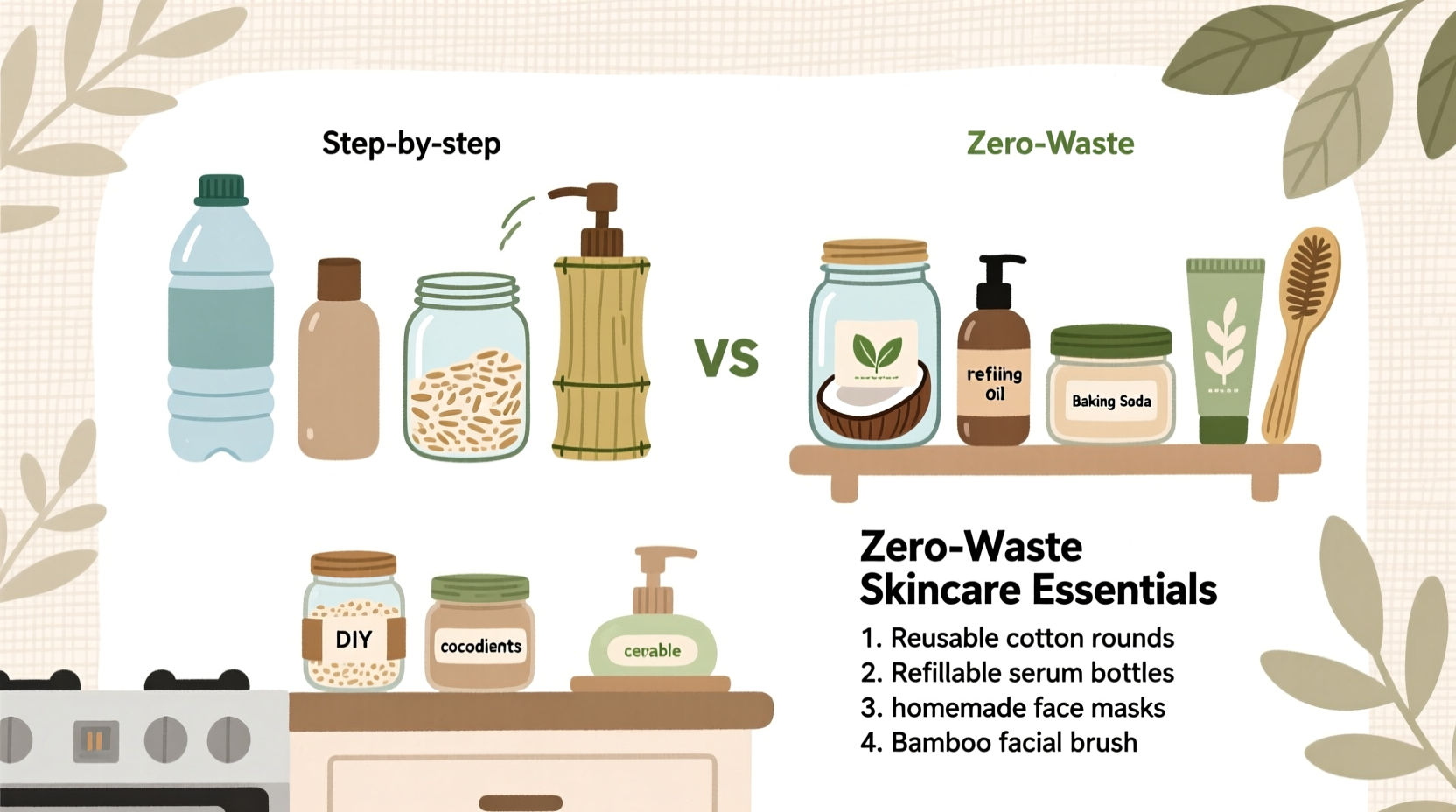
Before adding anything new, assess what you already own. Many people unknowingly use multiple products with overlapping functions—cleansers, toners, serums, moisturizers—all in pursuit of clearer skin, yet often causing irritation due to overuse.
Start by listing every product in your bathroom: cleansers, exfoliants, moisturizers, masks, and treatments. For each item, ask:
- Is it still effective or expired?
- Does it come in recyclable or non-recyclable packaging?
- Do I actually need it, or am I using it out of habit?
- Can it be replaced with a multi-use alternative?
This process helps identify redundancies and opportunities to consolidate. For example, if you’re using a separate toner and serum, consider switching to one concentrated product that hydrates and balances pH. Reducing the number of products not only cuts costs but also minimizes packaging waste.
2. Choose Sustainable Packaging Formats
Packaging is where most skincare waste occurs. Traditional lotions in plastic pumps, foaming cleansers in non-recyclable tubes, and sheet masks wrapped in foil packets contribute heavily to landfill overflow. The key is to shift toward formats that eliminate or minimize disposable materials.
Look for these low-waste alternatives:
- Bar cleansers and moisturizers: Solid skincare bars last longer, require no plastic pumps, and often come in compostable paper wraps.
- Bulk refills: Some brands offer refill pouches or in-store dispensing stations for creams and serums.
- Glass or metal containers: These are infinitely recyclable and safer for repeated use than plastic.
- Compostable packaging: Certain brands use plant-based films or molded pulp that break down naturally.
Avoid products labeled “recyclable” if they contain mixed materials (like laminated pouches), which most recycling facilities can’t process. Instead, prioritize truly reusable or returnable systems when possible.
“Sustainable skincare starts with packaging. If it can’t be reused, refilled, or composted, it’s not truly zero waste.” — Dr. Lena Patel, Environmental Dermatologist
3. Build a Minimalist Routine That Works
You don’t need ten products to maintain healthy skin. A minimalist zero waste routine focuses on quality over quantity, using fewer items that serve multiple purposes. Here’s a basic framework suitable for most skin types:
- Cleanse: Remove dirt, oil, and makeup without stripping natural oils.
- Treat (optional): Address specific concerns like acne, dryness, or aging.
- Moisturize: Seal in hydration and support the skin barrier.
- Protect (daytime): Apply mineral sunscreen to prevent UV damage.
Each step should use a product with minimal environmental impact. For instance, instead of a liquid face wash in a plastic bottle, opt for a solid cleansing bar made with shea butter and charcoal. Rather than a chemical sunscreen in an aerosol can, choose a zinc oxide stick in a cardboard tube.
Multi-functional products further reduce waste. A balm, for example, can double as a cleanser, moisturizer, and lip treatment. Similarly, rosewater in a glass spray bottle can act as a toner, setting mist, and refreshing spritz.
Sample Budget-Friendly Zero Waste Routine
| Step | Product Type | Zero Waste Alternative | Estimated Cost (USD) |
|---|---|---|---|
| Cleanser | Liquid foam | Facial cleansing bar (paper-wrapped) | $8–$12 |
| Toner | Bottle with plastic cap | Rosewater in glass spray bottle (refillable) | $10 (first purchase), $5 (refill) |
| Moisturizer | Plastic jar | Face balm in metal tin | $14 |
| Sunscreen | Plastic tube | Mineral SPF stick (cardboard or metal) | $16 |
| Exfoliant | Microbead scrub | Biodegradable konjac sponge + gentle powder | $7 + $9 |
Total startup cost: under $60—comparable to mid-range conventional skincare sets, but with lasting value due to longevity and reusability.
4. DIY When Practical and Safe
Creating your own skincare at home is one of the most affordable and waste-free options—but only when done correctly. Not all ingredients are safe for facial use, and improper formulations can lead to irritation or breakouts.
Stick to simple, proven recipes using kitchen staples:
- Oatmeal + honey mask: Soothes inflammation and gently exfoliates.
- Coconut oil (for body only): Effective moisturizer, but avoid on acne-prone facial skin.
- Diluted apple cider vinegar toner: Balances pH; always mix with water (1:3 ratio).
Always patch test homemade products on a small area first. Store them in clean glass jars with tight lids to extend shelf life. Most DIY skincare lacks preservatives, so make in small batches and use within 1–2 weeks.
5. Shop Smart: Where and How to Buy
Transitioning sustainably doesn’t mean spending more. In fact, strategic shopping can lower long-term costs. Follow these guidelines to stretch your dollar:
- Buy local: Support small businesses offering refill stations or package-free goods. Farmers’ markets and co-ops often carry handmade skincare with minimal branding.
- Join a refill program: Brands like By Humankind and Earthwise offer mail-back or drop-off refill systems for repeat customers.
- Wait for sales: Many zero waste brands run discounts during Earth Month or Black Friday. Sign up for newsletters to stay informed.
- Swap or share: Trade unused products with friends or participate in online “skincare swap” communities.
Also consider secondhand options. Websites like Freecycle or Buy Nothing groups sometimes list unopened skincare products donated by people simplifying their routines. Just verify expiration dates and storage conditions before use.
Mini Case Study: Maria’s Transition on a $20 Monthly Budget
Maria, a 28-year-old teacher from Portland, wanted to go zero waste but felt overwhelmed by high-priced “eco-luxury” brands. She started by auditing her current products—she had six facial items totaling $120 in value, most barely used.
Instead of buying replacements immediately, she committed to using up what she had. Over three months, she phased out products one by one. Her first purchase was a $9 facial cleansing bar, which lasted nearly two months. Next, she bought a $14 beeswax-based face balm in a metal tin that doubled as a night cream and lip salve.
She made her own toner with organic apple cider vinegar and distilled water, stored in a repurposed glass spray bottle. For sunscreen, she waited until a local brand offered a 20% discount on their mineral SPF stick.
By month four, Maria had fully transitioned to a four-product zero waste routine at a total cost of $47—less than the price of one premium serum. She now spends under $20 every two months on refills and occasional replacements.
Essential Checklist for Building Your Routine
Checklist: Your Zero Waste Skincare Roadmap
- ✅ Inventory all current skincare products.
- ✅ Identify duplicates or unnecessary items.
- ✅ Use up remaining products responsibly.
- ✅ Research zero waste brands with transparent sourcing.
- ✅ Prioritize bar, solid, or refillable formats.
- ✅ Start with a cleanser, moisturizer, and SPF.
- ✅ Reuse containers or return them via take-back programs.
- ✅ Track spending to ensure budget alignment.
FAQ: Common Questions About Budget Zero Waste Skincare
Can I really get results with affordable, simple products?
Absolutely. Skin health depends more on consistency and ingredient safety than price tags. Many budget-friendly zero waste brands use high-quality, active botanicals without the markup of luxury branding. Gentle, consistent care yields better long-term results than aggressive, expensive regimens.
What if I have sensitive or acne-prone skin?
Zero waste doesn’t mean compromising on sensitivity. Look for fragrance-free, non-comedogenic bars and balms made with calming ingredients like colloidal oatmeal, calendula, or chamomile. Avoid abrasive scrubs and essential oil-heavy formulas. Patch testing remains crucial, especially with DIY or new brands.
Are DIY skincare products safe for daily use?
Some are, but not all. Simple moisturizers like shea butter or jojoba oil are generally safe. However, acidic ingredients (lemon juice, undiluted ACV) or unstable mixes (honey + cinnamon) can cause irritation or photosensitivity. Stick to well-documented recipes from reputable sources and avoid using anything that stings or reddens the skin.
Final Steps: Maintain and Evolve Sustainably
Building a zero waste skincare routine isn’t a one-time project—it’s an evolving practice. As your skin changes with seasons, age, or environment, so can your approach. The goal is progress, not perfection.
Reassess your routine every few months. Are containers empty? Can they be refilled or returned? Is a product not working? Replace it thoughtfully, not impulsively. Keep receipts and track how long products last to refine future purchases.
Remember, sustainability includes economic sustainability. If a product is too expensive to maintain regularly, it’s not truly viable long-term. Focus on durability, effectiveness, and accessibility.
Take Action Today
You don’t need a complete overhaul to start making a difference. Begin with one swap: replace your liquid face wash with a bar. Refill your toner instead of buying new. Repurpose a glass jar for homemade balm. Each small choice adds up to meaningful change.
Skincare should nurture both you and the planet. By choosing simplicity, reusability, and intentionality, you can enjoy radiant skin without contributing to plastic pollution or draining your bank account.




 浙公网安备
33010002000092号
浙公网安备
33010002000092号 浙B2-20120091-4
Comments
No comments yet. Why don't you start the discussion?