
Chronic overwhelm is more than just stress. It’s a persistent state of emotional and cognitive overload that erodes focus, motivation, and well-being. When responsibilities pile up, emotions run high, and recovery time shrinks, the mind begins to operate in survival mode. Over time, this can lead to burnout, anxiety, and emotional detachment. The good news? You don’t have to wait until you’re at breaking point to act. Building a personalized emotional support routine isn’t about eliminating stress—it’s about creating sustainable systems that help you regulate your nervous system, restore clarity, and reclaim agency over your inner world.
Understanding Chronic Overwhelm
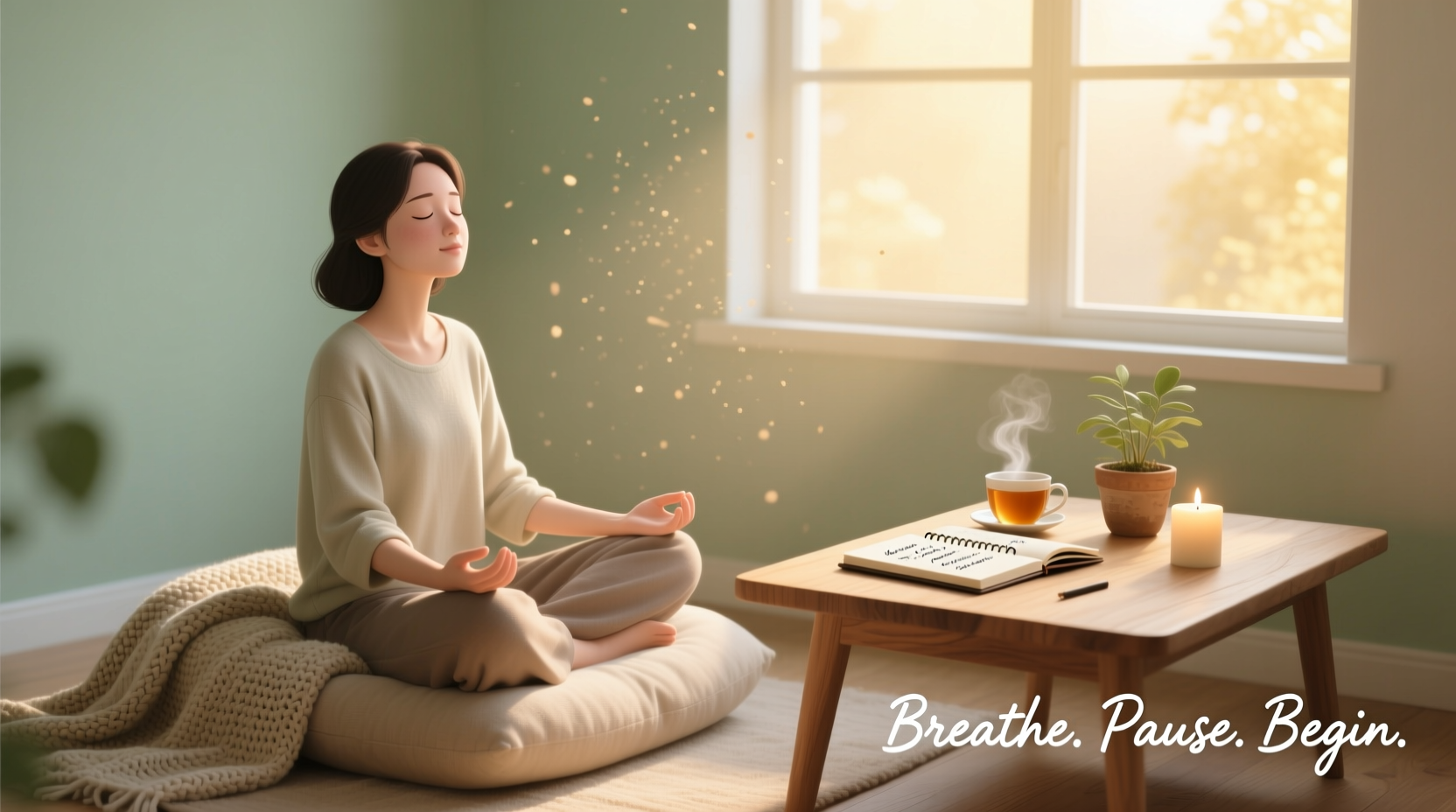
Unlike acute stress—short-term reactions to specific events—chronic overwhelm is ongoing. It often stems from a combination of external pressures (workload, caregiving, financial strain) and internal patterns (perfectionism, self-criticism, difficulty setting boundaries). The body responds as if under constant threat, flooding the system with cortisol and adrenaline. This dysregulates sleep, digestion, mood, and immune function.
Common signs include:
- Difficulty concentrating or making decisions
- Feeling emotionally numb or irritable
- Frequent fatigue despite adequate rest
- Physical tension (tight shoulders, headaches)
- Avoiding tasks or social interactions
Because chronic overwhelm dulls emotional awareness, many people don’t recognize it until they experience a crisis. Prevention, therefore, lies not in pushing through but in building proactive support structures.
The Pillars of an Emotional Support Routine
An effective emotional support routine rests on four foundational pillars: regulation, reflection, connection, and restoration. These are not one-time fixes but recurring practices that train the nervous system to return to equilibrium.
1. Regulation: Calming the Nervous System
When overwhelmed, the sympathetic nervous system dominates—triggering fight-or-flight responses. Regulation techniques activate the parasympathetic system, signaling safety. These don’t require special tools or hours of time.
Simple regulation practices include:
- Box breathing (inhale 4 sec, hold 4 sec, exhale 4 sec, hold 4 sec)
- Grounding exercises (5-4-3-2-1 method: name 5 things you see, 4 you feel, 3 you hear, 2 you smell, 1 you taste)
- Gentle movement like stretching or walking
2. Reflection: Processing Emotions Intentionally
Emotional suppression may offer short-term relief, but unprocessed feelings accumulate. Reflection creates space to identify what you're feeling and why. Journaling is particularly effective because it externalizes thoughts, reducing their intensity.
“Writing down your worries is like taking clutter out of a crowded room—you immediately create more space to breathe.” — Dr. James Pennebaker, Psychology Researcher, University of Texas
3. Connection: Reducing Isolation
Overwhelm often leads to withdrawal, but isolation amplifies distress. Emotional support doesn’t always require deep conversations. Sometimes, a brief check-in with a trusted friend, joining a peer group, or even pet interaction can reset your emotional baseline.
4. Restoration: Replenishing Mental Energy
Restoration is not passive. Watching TV for hours may feel like downtime, but it often fails to replenish depleted resources. True restoration involves activities that engage the mind in low-demand, pleasurable ways—like gardening, listening to music, coloring, or sitting in nature.
Step-by-Step Guide to Building Your Routine
Creating a sustainable emotional support routine takes intention and consistency. Follow this six-step process to design a plan tailored to your life and needs.
- Assess your current state. For three days, track moments of overwhelm. Note the time, trigger, physical sensation, and emotion. This builds self-awareness without judgment.
- Identify 2–3 micro-practices. Choose tiny actions (under 3 minutes) that align with the four pillars. Examples: morning breathwork, midday stretch, evening gratitude note.
- Schedule them like appointments. Attach practices to existing habits—after brushing teeth, before lunch, during coffee breaks—to increase adherence.
- Test and adjust for one week. If a practice feels forced or ineffective, modify it. The goal is sustainability, not perfection.
- Add a weekly reflection. Every Sunday, spend 10 minutes reviewing what helped and what didn’t. Adjust accordingly.
- Integrate one connection point. Plan one meaningful interaction per week—call a friend, attend a support group, write a letter.
Real Example: How Maria Regained Stability
Maria, a 38-year-old project manager and single mother of two, found herself constantly exhausted, snapping at her kids, and dreading work emails. She wasn’t clinically depressed, but her sense of control had eroded. After tracking her overwhelm for three days, she noticed spikes around 7 PM—when homework, dinner, and unanswered messages collided.
She started small: each evening at 6:45 PM, she stepped outside for four minutes of slow walking while focusing on her breath. She also began writing three sentences in a notebook before bed: one thing she did well, one emotion she felt, and one thing she needed the next day.
Within two weeks, Maria reported fewer outbursts and improved sleep. The walk became non-negotiable—a signal to transition from work mode to home mode. The journal helped her spot patterns, like guilt after saying no to others. Over time, she added a biweekly call with a close friend, which she scheduled like a meeting. These weren’t grand gestures, but together, they rebuilt her emotional resilience.
Do’s and Don’ts of Emotional Support Routines
| Do | Don’t |
|---|---|
| Start with micro-habits (under 5 minutes) | Try to overhaul your entire day at once |
| Anchor practices to existing routines | Rely solely on motivation instead of structure |
| Track emotional shifts weekly | Ignore physical signs of stress (headaches, fatigue) |
| Seek low-pressure social contact | Isolate yourself during tough periods |
| Adjust your routine as life changes | Abandon the routine if you miss a day |
“We often think we need big solutions for big problems. But emotional resilience is built in the small, repeated choices to care for ourselves—even when we don’t feel like it.” — Dr. Amina Khalid, Clinical Psychologist
Checklist: Building Your Personalized Routine
Use this checklist to ensure your emotional support routine is practical, balanced, and sustainable.
- ☐ Identified at least three common triggers of overwhelm
- ☐ Selected one regulation technique (e.g., breathing, grounding)
- ☐ Chose one reflective practice (e.g., journaling, voice memo)
- ☐ Scheduled two daily micro-practices (morning and evening)
- ☐ Identified one person to connect with regularly
- ☐ Set a weekly 10-minute review time
- ☐ Prepared tools (notebook, app, timer) in advance
- ☐ Shared your plan with someone for accountability (optional)
FAQ
How long does it take for an emotional support routine to work?
Most people notice subtle shifts within 1–2 weeks—improved sleep, slightly better mood, or reduced reactivity. Significant changes in emotional resilience typically emerge after 4–6 weeks of consistent practice. The key is regularity, not duration.
What if I forget or skip a day?
Skipping a day is normal. Emotional routines aren’t pass/fail systems. The goal is self-compassion, not perfection. Simply resume the next day without self-judgment. In fact, how you respond to missing a practice is part of the emotional training itself.
Can I use apps to support my routine?
Yes, but selectively. Apps for guided breathing, journaling, or habit tracking can be helpful. However, avoid over-relying on technology. Simple analog methods—like a paper journal or a sticky note reminder—can be just as effective and less distracting.
Conclusion: Start Where You Are
Building an emotional support routine isn’t about adding another item to your to-do list. It’s about weaving small acts of self-awareness and care into the fabric of your day. Chronic overwhelm narrows your vision, making everything feel urgent and insurmountable. But by introducing predictable moments of regulation, reflection, connection, and restoration, you begin to widen that lens again.
You don’t need hours. You don’t need special skills. You only need the willingness to show up for yourself in tiny, consistent ways. The routine will evolve as you do. Some days will be easier than others. That’s not failure—it’s human.




 浙公网安备
33010002000092号
浙公网安备
33010002000092号 浙B2-20120091-4
Comments
No comments yet. Why don't you start the discussion?