
Facebook remains one of the most powerful platforms for entrepreneurs and small businesses to reach customers, build brand awareness, and drive sales. With over 2.9 billion monthly active users, it offers unparalleled access to diverse audiences across demographics and geographies. But simply creating a page isn’t enough. Success requires strategy, consistency, and an understanding of how the platform rewards engagement and value.
This guide walks through the essential steps to launch, optimize, and scale a profitable business presence on Facebook—using proven tactics that have helped thousands of brands grow from zero to sustainable revenue.
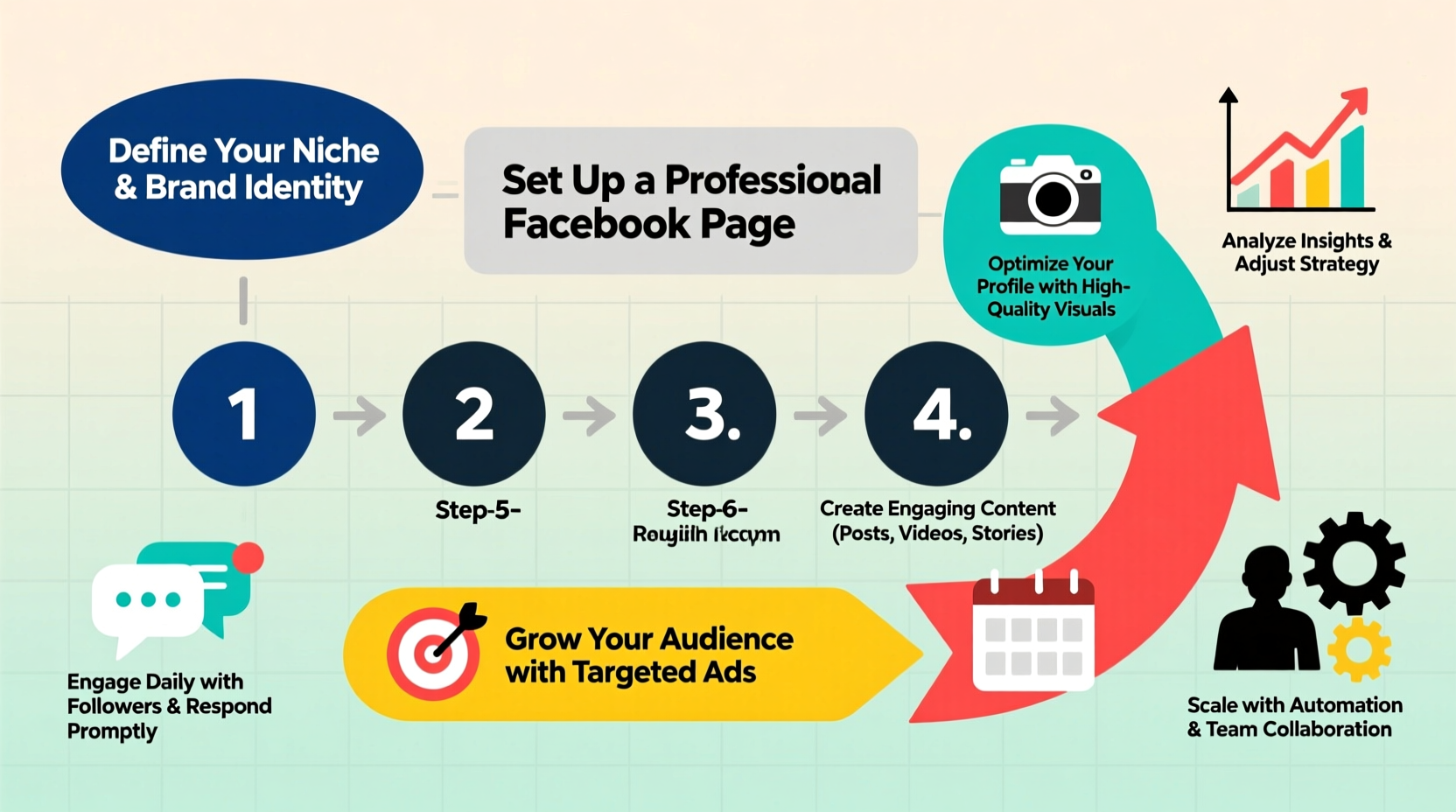
1. Define Your Niche and Target Audience
Before setting up any pages or ads, clarify what your business offers and who it serves. A well-defined niche allows you to create focused content, speak directly to customer pain points, and stand out in crowded markets.
Ask yourself: What problem does my product or service solve? Who experiences this problem most frequently? Where do they spend time online? Use Facebook’s Audience Insights tool (available in Meta Business Suite) to explore interests, behaviors, and demographic data related to your idea.
Build a Customer Avatar
- Name, age, location, job title
- Daily challenges related to your niche
- Social media habits (e.g., scrolls Facebook during lunch)
- Preferred tone of communication (friendly, professional, humorous)
The clearer your avatar, the more effectively your messaging will resonate.
2. Set Up a Professional Business Presence
Your Facebook Business Page is your storefront. It must look credible, communicate value instantly, and make it easy for people to take action—whether that’s visiting your website, calling, or sending a message.
- Create a Business Page: Go to facebook.com/pages/create and choose “Business or Brand.”
- Pick a clear name: Include your brand name and category if helpful (e.g., “GreenScape Landscaping” instead of just “GreenScape”).
- Add high-quality visuals: Upload a sharp profile picture (logo) and a cover image that reflects your brand—ideally showing products, services, or happy customers.
- Complete all details: Fill out contact info, hours, address, website link, and category. Missing information reduces trust.
- Claim your custom URL: Create a clean username like @YourBrandName so it’s easy to share and remember.
| Element | Best Practice | Avoid |
|---|---|---|
| Profile Photo | Logo (400x400 px, centered) | Personal selfies or blurry images |
| Cover Image | Showcase offer or lifestyle shot (820x312 px) | Overloaded text or stretched visuals |
| About Section | Clear description + keywords + CTA | Vague statements like “We’re awesome!” |
3. Develop a Content Strategy That Builds Trust
Content is the engine of growth on Facebook. Unlike paid ads, organic posts build relationships over time. The key is consistency and relevance—not volume.
Focus on three types of content:
- Educational: Tips, how-tos, industry insights
- Engaging: Questions, polls, behind-the-scenes stories
- Promotional: Limited-time offers, new product launches (use sparingly—no more than 20% of total posts)
“People don’t follow pages to be sold to. They follow because they feel understood.” — Sarah Lin, Social Media Strategist at GrowWithMeta
Post 3–5 times per week. Use a content calendar to plan themes in advance (e.g., “Motivation Monday,” “Feature Friday”). Always include a clear visual and a short caption with a question or call-to-action to boost comments.
4. Grow Your Audience Organically and Ethically
Paid ads can accelerate growth, but long-term success depends on cultivating genuine followers. Here’s how to attract them without buying likes:
Step-by-Step Growth Plan
- Leverage personal networks: Invite friends and existing customers to like your page (but only if they’d find value).
- Join relevant groups: Participate in discussions (without spamming). Share expertise and occasionally link to helpful content on your page.
- Encourage shares: Run contests or giveaways requiring participants to like your page and tag friends.
- Collaborate: Partner with complementary businesses for cross-promotions.
- Engage daily: Reply to every comment and message within 24 hours. Use reactions and personalized replies.
One bakery owner in Austin grew her local following from 127 to over 8,000 in nine months by posting daily “behind-the-scenes” videos of cake decorating, answering questions in comments, and offering exclusive discounts to followers. Her engagement rate stayed above 12%, far exceeding industry averages.
5. Monetize and Scale with Ads and Automation
Once you’ve built trust and visibility, it’s time to convert attention into revenue. Facebook offers multiple monetization paths:
- Selling directly through Facebook Shop
- Driving traffic to your e-commerce site
- Offering services via lead forms or Messenger
- Running retargeting campaigns for past visitors
Start with simple ad objectives: “Traffic” to your website or “Lead Generation” for inquiries. Use detailed targeting based on your customer avatar. Allocate $5–$10 per day initially to test different audiences and creatives.
“Most small businesses fail with Facebook ads not because the platform doesn’t work—but because they skip building trust first.” — Marcus Tran, Meta Ads Consultant
Use automated tools like Meta Business Suite to schedule posts, track performance, and manage messages. Set up instant replies in Messenger to capture leads even after hours.
Essential Facebook Business Checklist
- ✅ Created a dedicated Business Page (not personal profile)
- ✅ Added professional logo and cover image
- ✅ Completed all contact and operational details
- ✅ Defined target audience and content pillars
- ✅ Published 4–6 valuable posts consistently
- ✅ Responded to all comments and messages promptly
- ✅ Installed Facebook Pixel (for future ad tracking)
- ✅ Set up a simple campaign with a $5/day budget
FAQ
Can I run a business on Facebook without spending money on ads?
Yes. Many businesses grow entirely organically by posting consistently, engaging authentically, and leveraging word-of-mouth. However, strategic ad spending significantly speeds up growth and expands reach beyond your immediate network.
How often should I post on my business page?
3 to 5 times per week is ideal for maintaining visibility without overwhelming your audience. Focus on quality over quantity—each post should offer value, spark conversation, or guide users toward a next step.
Is Facebook still effective for B2B businesses?
Absolutely. While B2C brands dominate visually, B2B companies succeed by sharing case studies, client testimonials, industry insights, and thought leadership. LinkedIn may be primary for some, but Facebook’s targeting capabilities make it viable for lead generation across sectors.
Conclusion
Building a successful business on Facebook isn’t about shortcuts or viral moments—it’s about showing up consistently, providing real value, and nurturing relationships over time. From defining your audience to refining your ad strategy, each step compounds into sustainable growth.
The tools are free. The audience is vast. The opportunity is real. Start today with one clear action: publish a post that answers a single question your ideal customer has. Then keep going. Success on Facebook belongs not to the loudest voice, but to the most helpful one.




 浙公网安备
33010002000092号
浙公网安备
33010002000092号 浙B2-20120091-4
Comments
No comments yet. Why don't you start the discussion?