
Bringing a rescue dog into your home is an act of compassion that can transform both your lives. But behind the joy lies a delicate process: helping a dog recover from fear, uncertainty, and past trauma. Many rescued dogs arrive with little trust in humans, overwhelmed by unfamiliar surroundings and routines. Their fear may manifest as trembling, hiding, refusal to eat, or even defensive aggression. The key to success isn’t speed—it’s patience, consistency, and empathy. With the right approach, most fearful rescue dogs can learn to feel safe, form bonds, and thrive.
Understanding Fear in Rescue Dogs
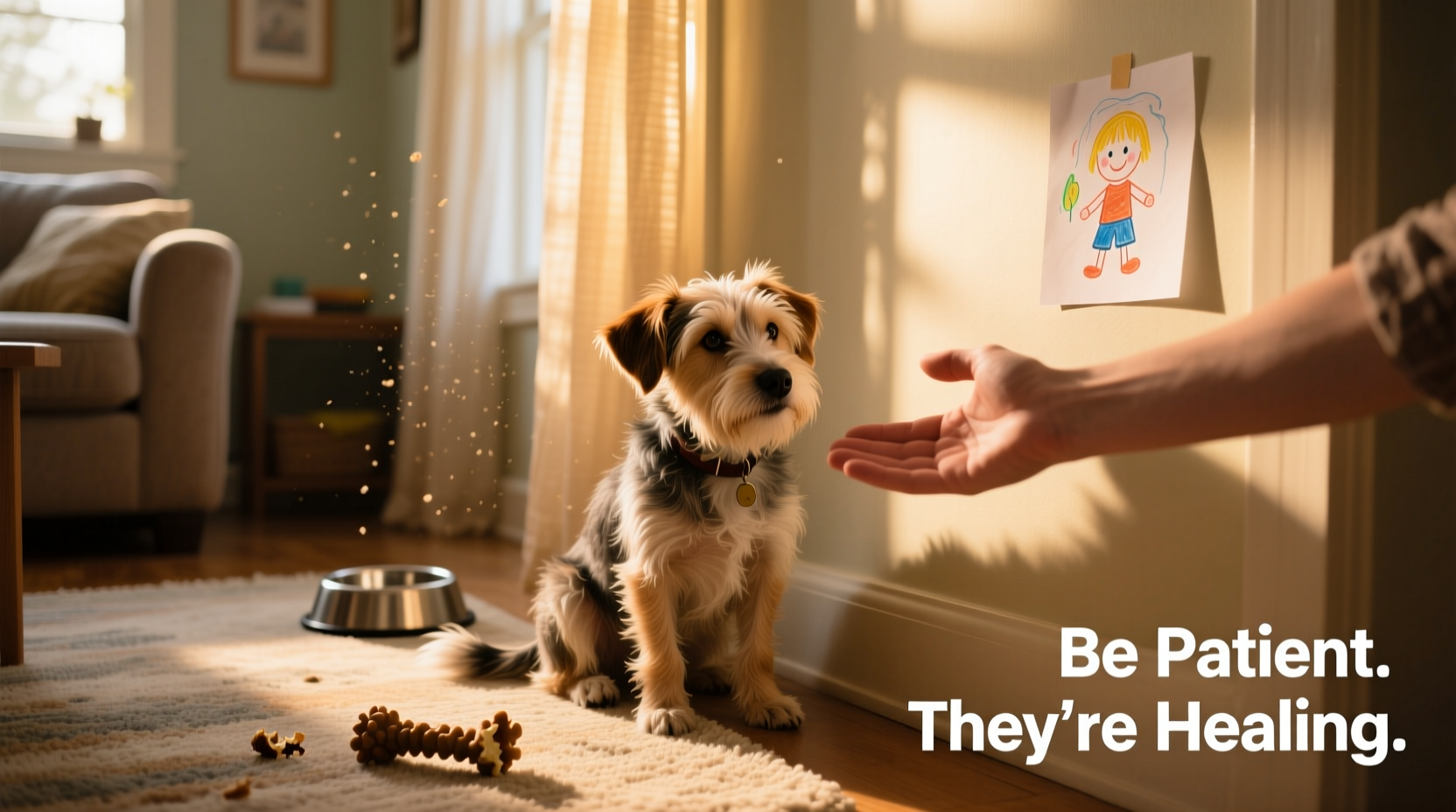
Fear in rescue dogs often stems from a combination of genetics, early socialization gaps, and life experiences. A dog taken from a puppy mill, stray situation, or abusive home may have never learned that people are safe. Even well-meaning shelters can be overstimulating environments where dogs experience high stress without relief. When such a dog enters a new home, every sound, scent, and movement can trigger anxiety.
Common signs of fear include:
- Tucked tail and flattened ears
- Avoiding eye contact or cowering
- Panting, trembling, or excessive licking
- Hiding under furniture or in corners
- Refusing food or treats
- Urinating indoors despite being house-trained
It's crucial not to mistake these behaviors as disobedience. They are survival responses. The dog is not being defiant—they are trying to cope. Pushing interaction too soon can deepen fear. Instead, focus on creating safety through predictability and space.
Step-by-Step: First 72 Hours at Home
The first three days set the tone for your dog’s adjustment. This period should prioritize minimal stimulation and maximum security. Follow this timeline to reduce overwhelm:
- Prepare a Safe Room: Choose a quiet area—like a spare bedroom or bathroom—with no drafts, low foot traffic, and soft flooring. Equip it with a crate (door removed), water bowl, pee pads, and a few chew toys. Keep lighting dim and noise low.
- Arrival Protocol: Bring your dog home during a quiet time of day. Carry them inside if they’re reluctant to walk. Place their carrier or transport crate in the safe room and open it slowly. Step back and allow them to exit at their own pace. Do not force them out.
- First Meal Strategy: Leave food near but not directly in front of them. If they won’t eat, try placing kibble in puzzle toys or smear wet food on the wall of a Kong. Hunger usually wins within 24–48 hours. Never hand-feed on day one.
- Human Interaction Limits: For the first 24 hours, speak softly but avoid petting or staring. Sit nearby and read aloud or hum—your voice becomes a neutral, calming presence. On day two, offer a treat on the floor when you enter the room, then retreat.
- Introduce Family Gradually: After 48 hours, allow other household members to sit quietly in the room for short periods. One person should remain the primary caregiver initially to build trust.
This gradual exposure helps prevent sensory overload. Remember: progress is measured in small victories—a glance, a sniff, a moment of relaxed breathing.
Creating a Predictable Environment
Dogs thrive on routine, especially those recovering from trauma. Unpredictability breeds anxiety. Establishing consistent daily rhythms signals safety. Structure reduces the need for vigilance, allowing the dog to relax.
| Activity | Recommended Timing | Why It Matters |
|---|---|---|
| Feeding | Same times daily (e.g., 7 AM & 6 PM) | Blood sugar stability and mental predictability |
| Potty Breaks | Upon waking, after meals, before bed | Reduces indoor accidents and builds confidence |
| Calm Interaction | Short sessions, same family member | Builds trust without overstimulation |
| Quiet Time | Daily, especially after activity | Allows nervous system recovery |
Use white noise machines or soft instrumental music to buffer sudden outdoor sounds. Avoid loud TVs, shouting, or rapid movements around the dog. Children and other pets should be kept at a respectful distance until the dog shows curiosity.
Positive Reinforcement Without Pressure
Training a fearful dog isn’t about commands—it’s about building positive associations. Classical conditioning, where neutral stimuli become linked with good outcomes, is far more effective than obedience drills in early stages.
For example, every time the doorbell rings (a potential trigger), toss a high-value treat like boiled chicken across the room—not toward the dog. Over time, the dog learns: “Doorbell = something good happens.” The same applies to footsteps, vacuum cleaners, or visitors.
Never lure a fearful dog with treats and then reach for them. This breaks trust. Instead, drop treats and step away. Let the dog approach freely. Reward any brave behavior: looking up, taking a step forward, sniffing your shoe.
“With fearful dogs, the goal isn’t immediate affection—it’s emotional safety. Every choice we make should answer: Does this help the dog feel less afraid?” — Dr. Karen Overall, Veterinary Behaviorist
Mini Case Study: Luna’s First Week
Luna, a 3-year-old mixed breed, arrived from a rural hoarding case. She had never lived in a house and flinched at floor reflections. Her adopters followed a structured plan:
- Day 1: Luna stayed in her crate all night. Owners left dinner near the door and retreated.
- Day 2: She ate kibble off a snuffle mat placed in the corner. No human entered the room except to refill water.
- Day 3: The owner sat silently 6 feet away, reading a book. Luna watched for 30 seconds, then slept.
- Day 5: She took a piece of chicken from the floor when the owner stepped outside the doorway.
- Day 7: Luna approached and sniffed the owner’s hand while they sat cross-legged and looked away.
By day 10, Luna was following her caregiver from room to room. Six weeks later, she greets guests with cautious tail wags. Her progress wasn’t linear—she regressed during a thunderstorm—but consistency rebuilt her sense of safety.
Checklist: Calming Your Rescue Dog – First Month
Use this checklist to track progress and ensure no critical steps are missed:
- ✅ Designate a quiet, enclosed safe room
- ✅ Remove crate door or leave it open
- ✅ Provide soft bedding and familiar scents (e.g., shelter blanket)
- ✅ Feed meals at consistent times using food puzzles
- ✅ Limit interactions to brief, non-demanding moments
- ✅ Use high-value treats to create positive associations
- ✅ Avoid forcing touch, eye contact, or handling
- ✅ Introduce new sounds gradually (TV, dishwasher) with treats
- ✅ Schedule vet check-up only if urgent; otherwise wait 7–10 days
- ✅ Track small signs of progress: relaxed posture, yawning, eating in view
Mark completed items weekly. Celebrate subtle wins—they matter more than dramatic breakthroughs.
What Not to Do: Common Mistakes
Even with good intentions, owners can unintentionally worsen fear. These actions may seem helpful but often backfire:
- Hugging or cuddling too soon: Many dogs perceive hugs as threats, increasing panic.
- \"Flooding\" exposure: Forcing the dog to confront fears (e.g., holding them during fireworks) causes lasting trauma.
- Over-handling: Bathing, grooming, or medical checks in the first week can destroy trust.
- Ignoring body language: Lip-licking, whale eye, or freezing are clear distress signals often missed.
- Expecting quick bonding: Attachment takes weeks or months. Pushing affection creates avoidance.
Instead, practice what trainers call “benign neglect”—being present without demand. Your calm, predictable presence is more powerful than constant attention.
FAQ: Common Questions About Fearful Rescue Dogs
How long does it take for a rescue dog to stop being scared?
There’s no fixed timeline. Some dogs begin to relax in 2–3 weeks; others take 3–6 months or longer. Factors include past trauma severity, temperament, age, and consistency of care. Focus on progress, not speed.
Should I let my scared dog hide?
Yes—initially. Hiding is a coping mechanism. Block off unsafe spaces (e.g., under stairs), but allow access to secure spots like behind a couch or in a covered crate. Never pull them out. Instead, make the rest of the room more inviting with treats and soft bedding.
Is medication ever needed for fear?
In severe cases, yes. Veterinarians may prescribe anti-anxiety medications like fluoxetine (Prozac) or trazodone alongside behavioral support. These don’t sedate but help reset neurological thresholds, making learning possible. Always combine with training, not replace it.
Conclusion: Patience Is the Foundation of Trust
Calming a scared rescue dog isn’t about tricks or quick fixes. It’s about redefining safety for a creature who may have known very little of it. Every quiet moment, every tossed treat, every decision to wait instead of rush—they accumulate into trust. You are not just providing shelter; you are rewriting a narrative of fear into one of belonging.
There will be setbacks. There will be nights when progress feels invisible. But in the stillness, healing happens. Watch for the tiny signs: a dog who once trembled now sleeps belly-up. One who hid now follows you to the kitchen. These are the victories that matter.




 浙公网安备
33010002000092号
浙公网安备
33010002000092号 浙B2-20120091-4
Comments
No comments yet. Why don't you start the discussion?