
Thunderstorms can be terrifying for dogs. The sudden booms of thunder, flashes of lightning, shifts in barometric pressure, and static electricity in the air trigger deep fear in many animals. Unlike humans, dogs don’t understand that storms are temporary or harmless. To them, it’s a survival-level threat. While medications exist, many pet owners prefer natural, non-invasive approaches to help their dogs feel safe. Fortunately, there are multiple evidence-based, gentle strategies that can significantly reduce your dog’s anxiety during storms—without pharmaceuticals.
The key lies in combining environmental management, behavioral conditioning, physical comfort, and sensory regulation. When applied consistently, these natural methods can transform a panicked reaction into one of calm resilience. This guide explores practical, veterinarian-supported techniques you can begin using today.
Understanding Canine Storm Anxiety
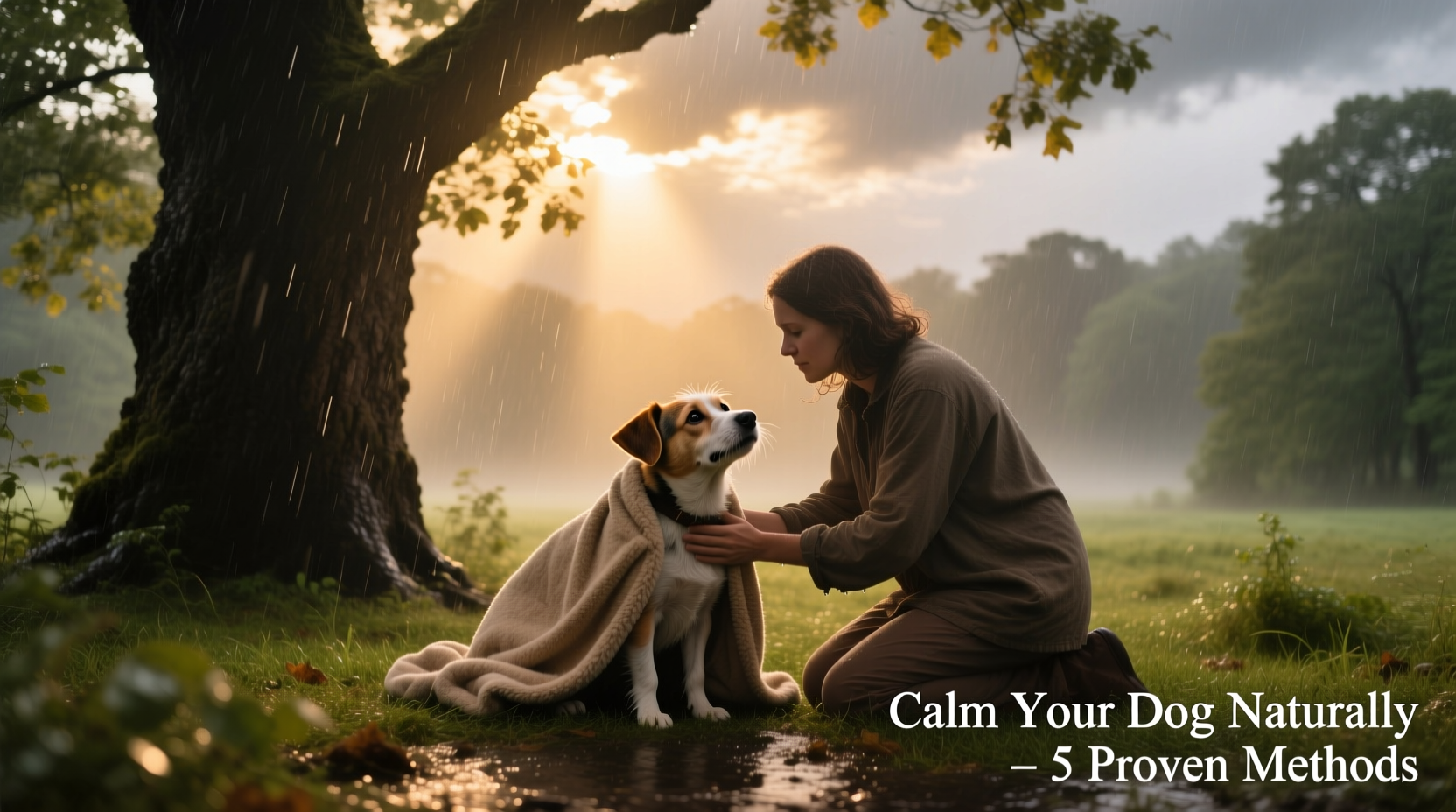
Dogs experience storm phobia differently. Some tremble silently in corners; others bark incessantly, pace, hide, or even attempt to escape. The root causes are multifaceted:
- Sensory sensitivity: Dogs hear thunder at lower frequencies than humans and may detect distant rumbles long before we do.
- Static electricity: Fur can accumulate static during storms, causing mild shocks when touching metal or other surfaces.
- Barometric pressure changes: These shifts can cause joint discomfort or inner ear imbalance, heightening unease.
- Learned behavior: A single traumatic storm event can condition lasting fear.
According to Dr. Karen Overall, a board-certified veterinary behaviorist, “Storm anxiety isn't just noise aversion—it's a multisensory overwhelm. Addressing only the sound is rarely enough.” Effective treatment must account for all stimuli and the dog’s emotional state.
Natural Calming Techniques That Work
Medication-free doesn’t mean ineffective. Many natural methods are backed by behavioral science and widely used in clinical animal practice. The most successful outcomes come from layering several approaches together.
1. Create a Safe Indoor Sanctuary
Dogs instinctively seek shelter during threats. Provide a designated “safe zone” that’s predictable, enclosed, and comforting. Ideal locations include interior bathrooms, closets, or under sturdy furniture—places with minimal windows and exterior walls.
Equip the area with:
- A favorite blanket or bed (with familiar scents)
- Calming pheromone diffusers (e.g., Adaptil)
- Low lighting or blackout curtains to minimize lightning flashes
- A white noise machine or fan to mask thunderclaps
Encourage use with treats and quiet praise. Over time, your dog will learn this spot equals safety.
2. Use Pressure Therapy with Thundershirts
Thundershirts and similar snug-fitting garments apply gentle, constant pressure around the torso—a technique known as deep pressure stimulation. This mimics the calming effect of swaddling in infants and has been shown to reduce cortisol levels in stressed animals.
In a 2014 study published in the Journal of Veterinary Behavior, 89% of dogs wearing a Thundershirt during simulated storms showed reduced anxiety behaviors compared to controls.
“Pressure wraps don’t eliminate fear, but they modulate the physiological stress response. Think of it as an anxiety hug.” — Dr. Sophia Yin, DVM, Animal Behavior Specialist
Ensure proper fit: You should be able to slip two fingers under the garment. Put it on before the storm begins, as applying it during panic may increase distress.
3. Mask Sound with White Noise and Music
Sound is often the primary trigger. While you can’t silence thunder, you can dilute its impact. White noise machines, box fans, or specially composed music for dogs can create a buffer.
Classical music, particularly compositions with slow tempos (50–60 BPM), has been shown to lower heart rates in anxious dogs. Playlists like “Through a Dog’s Ear” are designed specifically for canine auditory processing.
Behavioral Conditioning: Retraining Fear Responses
Fear is learned—and therefore, it can be unlearned. Counterconditioning and desensitization (CC/DS) are gold-standard behavioral therapies used by veterinary behaviorists worldwide.
This method involves gradually exposing your dog to recorded storm sounds at low volume while pairing them with high-value rewards—like chicken, cheese, or favorite toys. Over weeks or months, the brain begins to associate storms with good things instead of danger.
Step-by-Step Desensitization Timeline
- Week 1–2: Play storm recordings at barely audible levels while your dog eats a meal or plays. No signs of stress? Good.
- Week 3–4: Slightly increase volume daily, always rewarding calm behavior. If your dog tenses, pause and go back a step.
- Week 5–8: Simulate full storm conditions—sound, lights (dim flickering), and even a fan for wind. Continue pairing with treats and affection.
- Ongoing: Practice weekly, especially during storm season.
Patience is essential. Rushing leads to setbacks. Progress may be slow, but consistent effort reshapes neural pathways over time.
Real Example: Max, the Border Collie Mix
Max, a 4-year-old rescue, would howl and scratch at doors whenever thunder sounded. His owner, Sarah, began a CC/DS program using a YouTube storm playlist and bite-sized pieces of roast turkey. She started at 5% volume while Max ate dinner. After three weeks, he remained relaxed at 30% volume. By week ten, she played a full thunderstorm recording during a rainy evening—Max curled up on his bed and fell asleep. Today, during real storms, he retreats to his safe space, wears his Thundershirt, and remains mostly calm.
“It wasn’t overnight,” Sarah says. “But now I see him choosing calm instead of panic. That’s everything.”
Supportive Natural Aids and Supplements
Certain supplements support nervous system balance without sedation. Always consult your vet before starting any new product, especially if your dog has health conditions or takes other medications.
| Supplement | How It Works | Evidence Level |
|---|---|---|
| L-Theanine | Promotes GABA activity; reduces mental arousal | Moderate (studies in dogs show reduced anxiety markers) |
| Chamomile | Acts as a mild muscle relaxant and sedative | Anecdotal + limited clinical data |
| Alpha-Casozepine (from milk protein) | Binds to brain receptors to induce calm | Strong (used in commercial products like Zylkène) |
| Valerian Root | May enhance GABA; often combined with other herbs | Low to moderate; caution with dosing |
Products like Composure Chews, VetriScience Composure, and Zylkène are popular choices. Begin using them 1–2 days before forecasted storms to allow time for absorption.
Do’s and Don’ts During a Storm
| Do | Don’t |
|---|---|
| Stay calm and neutral—your energy affects your dog | Yell at or punish fearful behavior |
| Offer gentle touch if your dog seeks it | Force contact if your dog wants to hide |
| Use distraction with puzzle toys or food-dispensing games | Open windows or expose your dog to storm elements |
| Keep routines predictable | Label your dog as “spoiled” for being afraid |
Checklist: Preparing for Storm Season
Be proactive. Waiting until skies darken reduces your ability to help effectively. Use this checklist to prepare:
- ✅ Identify and set up a safe indoor space
- ✅ Purchase and fit a properly sized Thundershirt
- ✅ Download high-quality storm sound recordings for training
- ✅ Stock calming supplements (start trial early)
- ✅ Install a white noise machine or app on your phone
- ✅ Begin counterconditioning during calm weather
- ✅ Monitor weather forecasts regularly during storm season
- ✅ Talk to your vet about your plan for natural anxiety support
FAQ: Common Questions About Thunderstorm Anxiety
Can puppies outgrow storm fear?
Some do, but many do not. Untreated storm anxiety tends to worsen with age due to repeated negative reinforcement. Early intervention improves long-term outcomes.
Is it okay to comfort my dog during a storm?
Yes—but avoid excessive reassurance. Calm petting or sitting nearby is fine. Frantic soothing (“It’s okay! It’s okay!”) can unintentionally reinforce panic. Your demeanor matters more than touch.
Are certain breeds more prone to storm anxiety?
While any dog can develop it, herding breeds like Border Collies, Australian Shepherds, and German Shepherds appear more sensitive. However, individual temperament and past experiences play larger roles than breed alone.
Conclusion: Helping Your Dog Feel Safe, Naturally
Fear of thunderstorms is deeply rooted in a dog’s biology, but it doesn’t have to control their life. With patience, consistency, and the right combination of natural tools, you can dramatically reduce your dog’s distress. The goal isn’t to eliminate every flinch, but to shift their response from terror to tolerance.
Start small. Pick one method—perhaps creating a safe space or beginning sound desensitization—and build from there. Progress compounds. What feels impossible today can become routine tomorrow.




 浙公网安备
33010002000092号
浙公网安备
33010002000092号 浙B2-20120091-4
Comments
No comments yet. Why don't you start the discussion?