
Rabbits are prey animals by nature, which means their instincts are finely tuned to detect danger. Sudden loud noises—like thunderclaps or fireworks—can trigger intense fear responses, including freezing, rapid breathing, thumping, or even bolting in panic. While humans might find such events momentarily startling, for rabbits, they can be genuinely traumatic. Chronic stress from repeated exposure can lead to long-term health issues, including gastrointestinal stasis, weakened immunity, or heart strain. The good news is that with thoughtful preparation, environmental control, and gentle handling, you can significantly reduce your rabbit’s distress during these events.
Understanding Rabbit Fear Responses
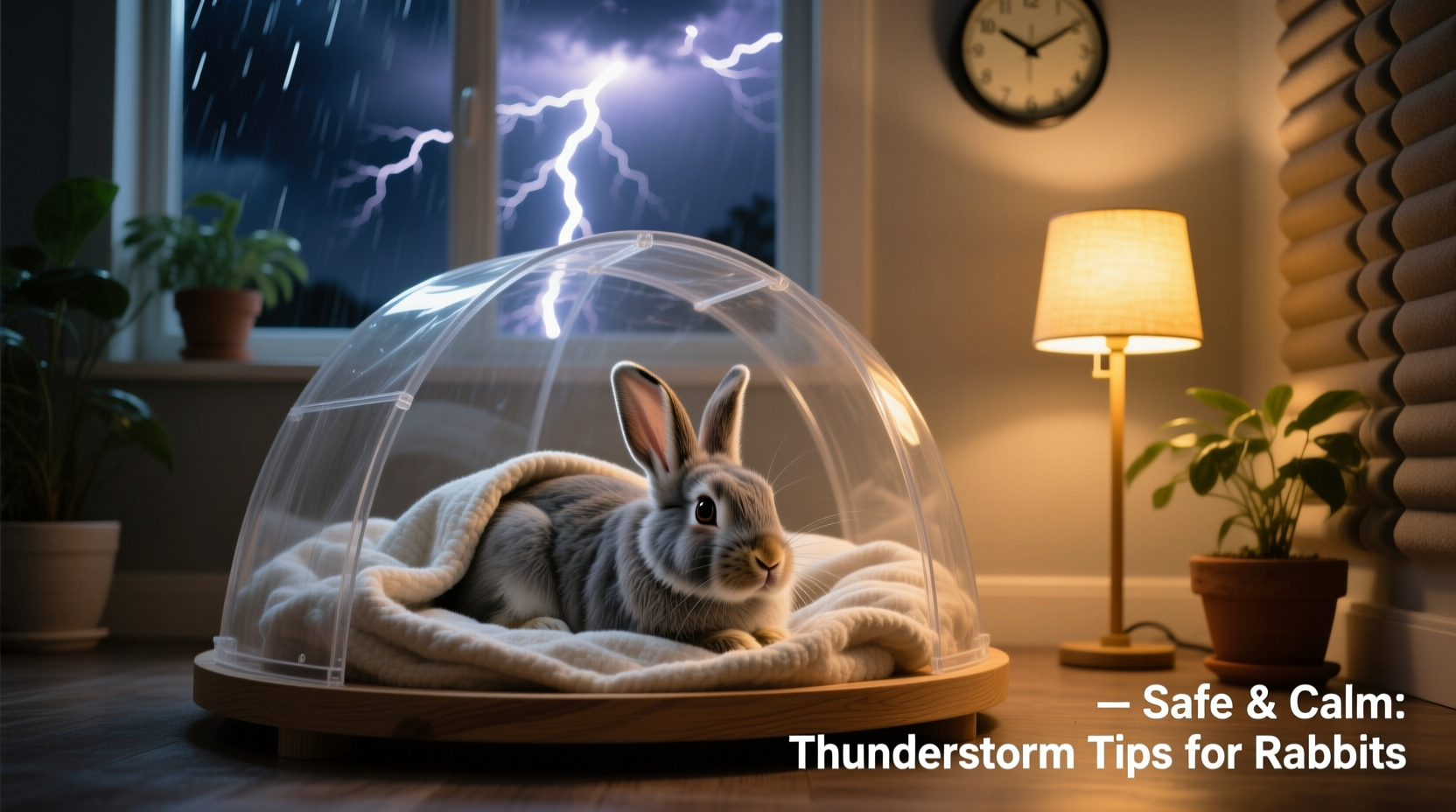
Rabbits perceive the world through survival-based instincts. In the wild, a sudden noise could mean a predator is nearby. When thunder rumbles or fireworks explode overhead, a rabbit’s body reacts as if under immediate threat. This triggers the sympathetic nervous system, releasing stress hormones like cortisol and adrenaline. These chemicals prepare the rabbit to flee or fight—except in a domestic setting, escape isn’t possible, leaving the animal trapped in a state of heightened alertness.
Common signs of anxiety in rabbits include:
- Freezing in place (often crouched low)
- Heavy, rapid breathing
- Panting (unusual in rabbits and a sign of severe stress)
- Thumping hind legs on the ground
- Attempting to hide or dig frantically
- Refusing food or water
- Aggressive behavior when approached
It's crucial not to dismiss these behaviors as “overreactions.” For the rabbit, the threat feels real. Your role is to provide safety cues that override the instinctual fear response.
Creating a Safe and Soundproof Environment
The most effective way to reduce anxiety is to minimize sensory input. Since thunder and fireworks are primarily auditory threats, dampening sound is key. However, visual flashes and vibrations also contribute to fear, so a multi-sensory approach works best.
Start by identifying the quietest room in your home—ideally one without large windows or exterior walls. Basements or interior closets often work well. Move your rabbit’s enclosure there temporarily during storm season or known firework events (e.g., July 4th, New Year’s Eve).
Soundproofing doesn’t require professional materials. Simple household items can help:
- Hang thick blankets or moving pads over walls and windows.
- Place rolled towels along the bottom of doors to block noise and drafts.
- Use bookshelves filled with books as natural sound barriers.
- Add rugs or carpeting to absorb echo in hard-surfaced rooms.
Inside the enclosure, ensure your rabbit has multiple hiding options. Cardboard boxes with entry holes, wooden hideouts, or covered tunnels give them a sense of security. Line the floor with extra bedding—soft towels or hay—to cushion against vibrations.
| Feature | Recommended | Avoid |
|---|---|---|
| Location | Interior room, away from windows | Garage, patio, or near glass doors |
| Hiding Spots | Multiple enclosed shelters | Open-top cages or exposed areas |
| Noise Control | White noise, soft music, blankets | Silence or sudden sounds |
| Flooring | Carpeted or padded surface | Bare tile or concrete |
Step-by-Step Guide: Preparing for Storm Season
Waiting until a storm hits is too late. Proactive planning ensures your rabbit remains calm when fear triggers occur. Follow this timeline to build resilience and reduce anxiety.
- Weeks Before Peak Season: Identify high-risk dates (holidays, storm-prone months). Begin acclimating your rabbit to the safe room by spending time there together daily.
- One Week Prior: Test your soundproofing setup. Play low-volume recordings of thunder or fireworks while offering treats. This mild exposure can help desensitize your rabbit.
- 24 Hours Before: Move the enclosure to the prepared space. Stock it with favorite toys, fresh hay, and water. Avoid introducing new elements that could add stress.
- During the Event: Stay calm and present. Use white noise or calming music. Monitor your rabbit from a distance—do not force interaction.
- After the Event: Wait until your rabbit resumes normal activity (eating, grooming) before returning them to their usual space. Offer a small treat as positive reinforcement.
Behavioral Techniques to Reduce Anxiety
While environment plays a major role, your presence and behavior influence your rabbit’s emotional state. Rabbits are highly attuned to human energy. If you’re tense, they’ll feel it too. Speak in low, soothing tones. Sit quietly nearby—your steady breathing can serve as a calming signal.
Do not attempt to cuddle or restrain a frightened rabbit. Physical contact may be interpreted as confinement, worsening panic. Instead, let them come to you. Place a hand gently on the ground near their hideout; some rabbits will nudge or lean into it for reassurance.
Positive reinforcement helps reframe associations. Pair the sound of distant thunder with something pleasant—like a favorite herb or a small piece of apple. Over time, this can create a conditioned response where noise predicts reward rather than danger.
“Rabbits don’t forget fear, but they can learn safety through consistency. A predictable routine and a secure space do more for anxiety than any medication.” — Dr. Lena Patel, Exotic Animal Behavior Specialist
Mini Case Study: Luna the Lightning-Sensitive Lop
Luna, a 3-year-old Holland Lop, began showing extreme fear during summer storms. Her owner noticed her thumping constantly, refusing food, and hiding under the couch for hours after each thunderclap. Concerned about her health, the owner consulted a rabbit-savvy veterinarian.
Following a structured plan, they moved Luna’s enclosure to a windowless laundry room two days before forecasted storms. They added two cardboard hideaways, played classical music at low volume, and used blackout curtains to eliminate flash sensitivity. During one storm, the owner sat quietly nearby, reading aloud in a soft voice.
Within three storm seasons, Luna’s reactions diminished significantly. She still sought her hideout at the first rumble, but she resumed eating within minutes and no longer exhibited signs of tachycardia. The key was consistency—the same room, the same routine, every time.
When to Consider Calming Aids and Supplements
For rabbits with severe phobias, environmental and behavioral strategies may need support from calming aids. Always consult a veterinarian before introducing any product.
Natural options include:
- Chamomile-infused hay: Mildly sedative and safe in small amounts.
- Rescue Remedy (alcohol-free): A flower essence sometimes used off-label; evidence is anecdotal.
- Melatonin supplements: Occasionally prescribed for noise anxiety, especially around holidays.
In extreme cases, veterinarians may prescribe short-term anti-anxiety medications like dexmedetomidine or benzodiazepines. These are reserved for rabbits with life-threatening stress responses and should never be used without professional guidance.
Checklist: Emergency Preparedness for Fireworks & Storms
Keep this checklist handy during high-risk periods:
- ✅ Identify a quiet, interior room for temporary relocation
- ✅ Soundproof the area with blankets, rugs, or foam panels
- ✅ Provide at least two enclosed hiding spots in the enclosure
- ✅ Stock extra hay, water, and familiar toys
- ✅ Prepare a playlist of calming music or white noise
- ✅ Test setup during calm weather to ensure comfort
- ✅ Keep emergency vet contact information accessible
- ✅ Avoid leaving the rabbit alone during events
FAQ
Can I wrap my rabbit in a blanket to calm them down?
No. Wrapping a rabbit tightly (also called \"bundling\") can induce a trance-like state known as tonic immobility, which is a fear response, not relaxation. This can increase trauma and should be avoided unless directed by a veterinarian for medical reasons.
Is it safe to let my rabbit stay outside during a storm?
No. Outdoor hutches offer little protection from noise, wind, or lightning. Flying debris, temperature drops, and predator risks increase during storms. Bring outdoor rabbits indoors well in advance of bad weather.
How long does post-storm anxiety last in rabbits?
Most rabbits return to normal within a few hours if provided a quiet recovery space. However, some may remain on edge for up to 24 hours. Continued refusal to eat, drink, or move requires immediate veterinary attention, as it could signal gastrointestinal stasis.
Conclusion
Helping your rabbit through thunderstorms and fireworks isn’t just about comfort—it’s a vital part of responsible care. By understanding their instincts, preparing a safe environment, and responding with patience, you can transform terrifying events into manageable moments. Stress reduction isn’t achieved overnight, but with consistent effort, your rabbit can learn that they are protected, even when the sky booms. Start implementing these strategies now, before the next storm rolls in, and give your furry companion the peace they deserve.




 浙公网安备
33010002000092号
浙公网安备
33010002000092号 浙B2-20120091-4
Comments
No comments yet. Why don't you start the discussion?