
Interviews are pivotal moments in your career journey, yet they often come with a wave of nervousness that can cloud your thinking and affect your performance. It's not just the stakes that make interviews stressful—it's the physiological response your body triggers when under pressure. Heart racing, shallow breathing, sweaty palms—these symptoms stem from an overactive sympathetic nervous system, commonly known as the \"fight-or-flight\" response. The good news? You don’t need medication or drastic measures to regain control. Simple, evidence-based breathing techniques can reset your nervous system, quiet your mind, and prepare you to present your best self.
Breathing is one of the few autonomic functions you can consciously regulate. By mastering specific patterns, you can signal safety to your brain, reduce cortisol levels, and enhance mental clarity. These aren't abstract wellness concepts—they're tools used by elite performers, from Navy SEALs to professional athletes, to maintain composure under pressure. When applied before an interview, they can transform anxiety into focused energy.
The Science Behind Breathing and Stress Reduction
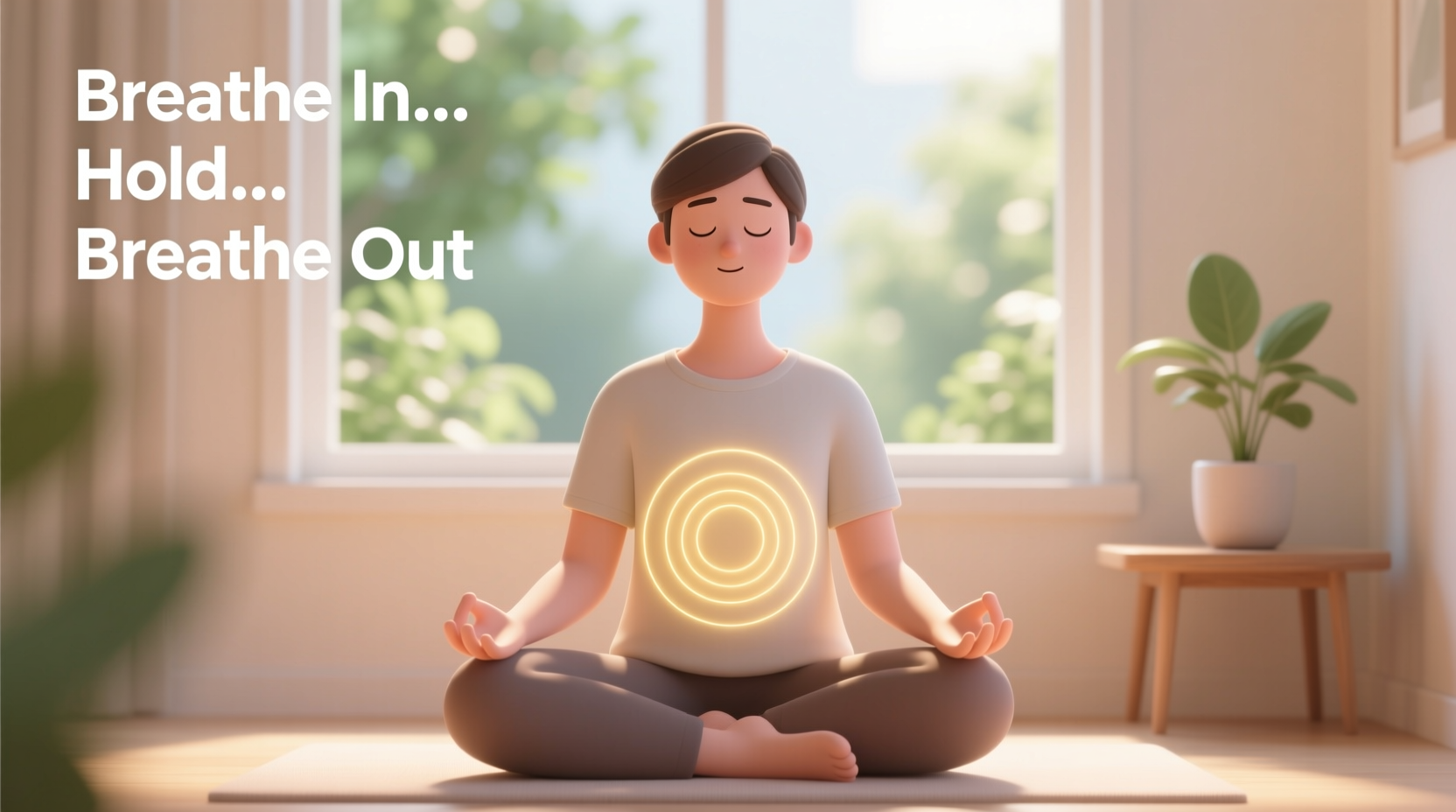
Your breath is a direct line to your nervous system. When you're anxious, your breathing becomes rapid and shallow, primarily using the upper chest. This type of breathing reduces carbon dioxide levels in the blood, leading to dizziness, tingling, and increased heart rate—symptoms that only amplify anxiety. In contrast, slow, deep diaphragmatic breathing activates the vagus nerve, which is responsible for triggering the parasympathetic nervous system—the \"rest-and-digest\" state.
Studies have shown that controlled breathing can lower heart rate, reduce blood pressure, and improve emotional regulation. A 2017 study published in *Frontiers in Psychology* found that participants who practiced slow breathing at six breaths per minute showed significant reductions in perceived stress and improved cognitive performance. For job seekers, this means clearer thinking, better recall of answers, and a calmer demeanor during high-pressure moments.
The key is consistency and timing. Practicing these techniques daily builds resilience, but even a single five-minute session immediately before an interview can shift your physiology from panic to poise.
Effective Breathing Techniques to Calm Pre-Interview Anxiety
Not all breathing methods are equally effective for acute stress. The following techniques are specifically designed to interrupt the stress cycle and restore balance. Each one can be done discreetly—whether you're in a waiting room, on a Zoom call, or walking into the office.
1. Box Breathing (Navy SEAL Technique)
Used by military personnel to stay calm in life-threatening situations, box breathing is a structured method that enhances focus and emotional control.
- Inhale through your nose for a count of four.
- Hold your breath for four seconds.
- Exhale slowly through your mouth for four seconds.
- Hold your lungs empty for four seconds.
- Repeat for 4–6 cycles.
This rhythm creates a predictable pattern that distracts the mind from anxious thoughts and stabilizes heart rate variability—a marker of stress resilience.
2. 4-7-8 Breathing (Relaxing Breath)
Developed by Dr. Andrew Weil, this technique leverages extended exhalation to activate the parasympathetic nervous system more rapidly.
- Place the tip of your tongue behind your upper front teeth.
- Inhale quietly through your nose for 4 seconds.
- Hold your breath for 7 seconds.
- Exhale completely through your mouth, making a whooshing sound, for 8 seconds.
- Repeat 4 times.
The prolonged exhale is critical—it increases the amount of air expelled, stimulating the vagus nerve and signaling the brain to relax. Many users report feeling drowsy after a full round, so it’s best used 15–20 minutes before the interview, not during.
3. Diaphragmatic Breathing (Belly Breathing)
Also called abdominal breathing, this foundational technique corrects the shallow breathing common during stress.
- Sit comfortably or lie down with one hand on your chest and the other on your abdomen.
- Inhale deeply through your nose, allowing your belly to rise while keeping your chest still.
- Exhale slowly through pursed lips, gently contracting your abdominal muscles.
- Continue for 5–10 minutes at a rate of 5–6 breaths per minute.
Research shows that regular practice improves lung capacity, reduces cortisol, and enhances emotional stability. It’s especially useful if you’ve been sitting for long periods before the interview, as it counteracts poor posture and restricted breathing.
When and How to Practice: A Pre-Interview Timeline
Timing matters. Breathing exercises are most effective when integrated strategically in the hours and minutes leading up to your interview. Here’s a step-by-step guide to optimize your mental state:
| Time Before Interview | Action | Purpose |
|---|---|---|
| 24 Hours | Practice diaphragmatic breathing for 10 minutes | Build baseline calm and reinforce neural pathways |
| 1 Hour | Perform two rounds of 4-7-8 breathing | Reduce anticipatory anxiety and improve focus |
| 15 Minutes | Do 4 cycles of box breathing | Stabilize heart rate and center attention |
| Right Before Entry | Take 3 slow belly breaths with extended exhales | Reset nervous system before speaking |
This timeline ensures you’re not relying on last-second fixes. Instead, you’re progressively layering calm, much like warming up before physical activity. If possible, find a quiet space—even a restroom stall or stairwell—to avoid distractions during your practice.
“Controlled breathing is the fastest way to access your body’s relaxation response. Unlike affirmations or visualization, it produces measurable physiological change within minutes.” — Dr. Patricia Gerbarg, Assistant Clinical Professor of Psychiatry, New York Medical College
Common Mistakes That Undermine Breathing Exercises
Even with the right technique, small errors can reduce effectiveness. Avoid these pitfalls:
- Over-breathing (hyperventilation): Taking too many rapid deep breaths can cause lightheadedness and increase anxiety. Stick to slow, controlled rhythms.
- Holding tension in shoulders: Keep your neck and shoulders relaxed. Tension there restricts diaphragm movement and undermines deep breathing.
- Practicing only once: Like any skill, breathing techniques require repetition. One session won’t rewire your stress response; consistent practice will.
- Focusing solely on inhalation: The exhale is where the magic happens. Prioritize longer exhalations to trigger relaxation.
Real-World Application: A Case Study
Consider Mark, a software engineer preparing for a senior role at a top tech firm. Despite thorough preparation, he consistently underperformed in interviews due to anxiety. His voice would shake, his mind would blank, and he’d leave feeling defeated. After learning about breathwork, he committed to a daily 10-minute diaphragmatic breathing routine and added box breathing 15 minutes before each interview.
During his next virtual interview, he felt the familiar surge of adrenaline as the meeting began. Instead of pushing through, he excused himself briefly to take three slow belly breaths. He returned composed, answered questions clearly, and even managed to smile. He received an offer the following week. “It wasn’t that I knew more,” he said later. “It was that I could finally access what I already knew.”
Mark’s experience isn’t unique. Many professionals discover that their knowledge and skills are intact—they just need a reliable way to access them under pressure.
Quick-Start Checklist: Your Pre-Interview Breathwork Routine
To make implementation effortless, here’s a concise checklist you can follow before any interview:
- ✅ Find a quiet space (even a bathroom stall works).
- ✅ Sit upright with feet flat on the floor and hands resting on your lap.
- ✅ Set a timer for 4–5 minutes.
- ✅ Begin with 4 cycles of box breathing (4-in, 4-hold, 4-out, 4-hold).
- ✅ Transition to 4 rounds of 4-7-8 breathing if time allows.
- ✅ Take 3 deep belly breaths with extended exhalations right before entering.
- ✅ Smile gently—this primes your brain for positivity.
Keep this list saved on your phone or printed in your interview notebook. The goal is to make breathwork a non-negotiable part of your preparation, just like reviewing your resume or testing your microphone.
Frequently Asked Questions
Can breathing really make that big of a difference?
Yes. While preparation is essential, your ability to access that knowledge depends on your physiological state. Breathing directly influences heart rate, oxygen flow, and brain function. Even a slight reduction in anxiety can improve articulation, memory recall, and confidence—critical factors in interview success.
What if I feel silly doing this in public?
Most people won’t notice. Box breathing or slow belly breaths can be done subtly, even while seated. If you’re concerned, excuse yourself to a private area for a few minutes. Remember, investing in your mental state is no different than checking your appearance—it’s part of being professionally prepared.
How long does it take to see results?
You’ll likely feel calmer after just one session. However, lasting benefits come from regular practice. Aim for 5–10 minutes daily for at least two weeks to build resilience. Over time, you’ll notice that anxiety peaks become less intense and easier to manage.
Mastery Starts with a Single Breath
Anxiety before an interview isn’t a flaw—it’s a natural response to perceived threat. But you don’t have to be at its mercy. With deliberate breathing, you reclaim control. These techniques aren’t quick fixes; they’re lifelong tools for composure, clarity, and confidence. Whether you’re facing a panel of executives or a casual chat with a hiring manager, your breath can be your anchor.
Start today. Don’t wait for your next interview to experiment. Practice one technique daily until it becomes second nature. When the moment arrives, you won’t need to remember everything you’ve learned—you’ll simply breathe, center yourself, and speak with the authority of someone who’s ready.




 浙公网安备
33010002000092号
浙公网安备
33010002000092号 浙B2-20120091-4
Comments
No comments yet. Why don't you start the discussion?