
Carrying a purse has long been the default solution for transporting personal items—but it's not always practical. Whether you're traveling light, attending an event with strict bag policies, or simply want to move freely through your day, ditching the purse doesn’t mean sacrificing access to what you need. Hidden pockets and utility belts offer discreet, secure, and stylish alternatives that keep essentials close at hand without bulk or hassle.
This approach is gaining popularity among urban commuters, travelers, festival-goers, and minimalist lifestyle advocates. With thoughtful planning and the right gear, you can confidently go hands-free while maintaining full functionality. The key lies in strategic storage, body-aware design, and understanding which items are truly essential.
Why Ditch the Purse?
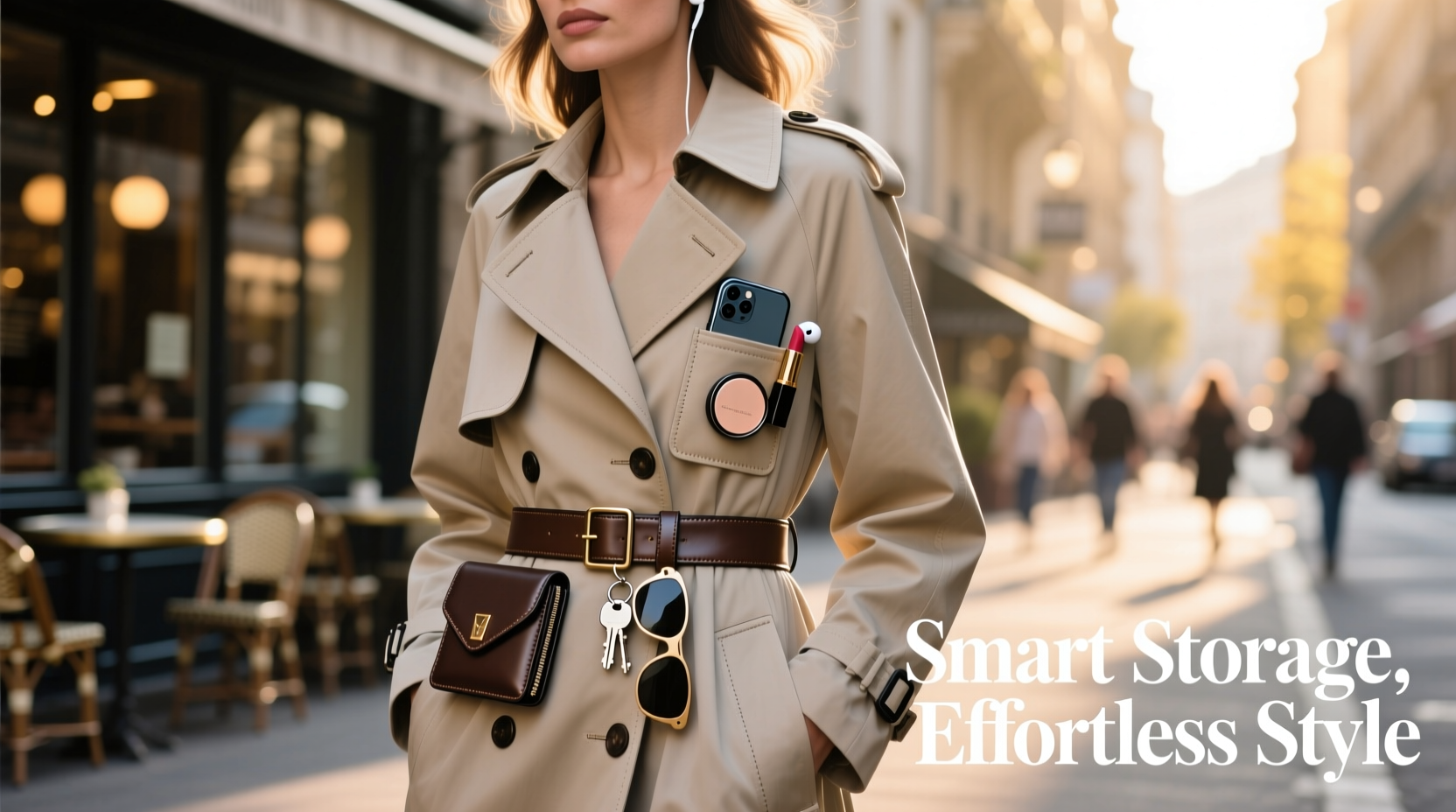
The traditional purse, while convenient, comes with drawbacks: it’s easy to misplace, vulnerable to theft, and often leads to overpacking. Carrying one can also cause posture issues or shoulder strain when overloaded. For many, especially in high-mobility environments, reducing reliance on external bags improves agility and peace of mind.
Alternatives like hidden pockets and belts eliminate these problems by integrating storage directly into clothing or accessories worn on the body. These solutions distribute weight more evenly, reduce visibility to would-be thieves, and streamline daily movement.
“People underestimate how much freedom they gain when they stop lugging around unnecessary items. Smart concealment isn’t just about security—it’s about efficiency.” — Lena Torres, Urban Mobility Consultant
Essential Items Worth Carrying
Before choosing where and how to store your belongings, identify what you actually need on a daily basis. Most people carry far more than necessary out of habit rather than function.
A streamlined essentials list typically includes:
- Phone (most critical)
- ID, credit cards, or cash
- Keys
- Tissues or small hand sanitizer
- Medication (e.g., inhaler, pain relievers)
- Earbuds or hearing aids
- Lip balm or compact mirror (if needed)
By limiting yourself to these core items, you make non-purse carrying not only feasible but efficient. Every added object increases complexity, so regular auditing helps maintain minimalism.
Hidden Pockets: Discreet and Effective Storage
Hidden pockets come in various forms, from factory-sewn compartments in travel clothing to DIY modifications in everyday wear. Their strength lies in invisibility: no one knows you’re carrying anything unless you tell them.
Types of Hidden Pockets
| Type | Best For | Capacity | Security Level |
|---|---|---|---|
| Cargo pants inner pocket | Cash, phone, keys | Medium | High |
| Waistband secret pocket | ID, slim cardholder | Low | Very High |
| Jacket lining pocket | Phone, earbuds | Medium | High |
| Dress with concealed side slit | Card, key | Low | Moderate |
| DIY sewn-in pouch (shirt hem) | Backup cash, SIM card | Low | Very High |
Many outdoor and travel apparel brands now include built-in hidden pockets as standard features. Brands like ExOfficio, REI, and Uniqlo offer shirts, pants, and dresses with zippered interior compartments designed specifically for security and comfort.
DIY Hidden Pocket Installation
If your wardrobe lacks built-in options, simple modifications can add value. Sewing a small fabric pouch inside a jacket lining or along the waistband of jeans takes under 30 minutes and costs less than $5 in materials.
- Select a durable, lightweight fabric (like ripstop nylon).
- Cut a rectangle (approx. 4\"x5\") and fold it into a pouch.
- Sew three sides shut, then attach the open edge to the inside seam of your garment.
- Add a small zipper or Velcro flap for closure.
- Reinforce stitching at stress points.
Place the pocket near the lower back, hip, or upper thigh—areas that remain covered during movement but are easily reachable.
Belt-Based Solutions: Functional and Fashionable
Belts have evolved beyond fashion statements—they now serve as modular carriers capable of holding phones, wallets, and even water bottles. Modern utility belts are sleek, low-profile, and designed for discretion.
Top Belt Options for Carrying Essentials
- Fanny packs (worn crossbody or around waist): Compact, adjustable, and available in leather or technical fabrics.
- Modular EDC belts: Feature MOLLE webbing or snap-on pouches; popular among tactical and minimalist communities.
- Wallet belts: Integrate slim card and cash storage into the belt itself, eliminating the need for a separate wallet.
- Phone holsters: Clip-on cases that attach to belts or waistbands, ideal for quick access.
When selecting a belt, prioritize adjustability, breathable materials, and balanced weight distribution. A poorly fitted belt can dig into the hips or slip during activity.
How to Wear a Utility Belt Without Looking Tactical
Many avoid belt-based systems due to their association with hiking or military gear. However, modern designs blend seamlessly into casual and professional settings.
- Choose neutral colors—black, navy, beige, or brown.
- Opt for slim profiles; avoid oversized pouches unless necessary.
- Wear under a jacket or shirttail to partially conceal.
- Pair with tailored trousers or denim for a polished look.
- Use only essential pouches—overloading defeats the minimalist goal.
“I started using a slim crossbody belt after getting pickpocketed in Barcelona. Now I won’t travel without one. It holds everything I need and disappears under my clothes.” — Marcus Reed, frequent traveler and digital nomad
Step-by-Step: Building Your No-Purse Carry System
Transitioning away from purse dependency requires a deliberate setup. Follow this timeline to build a reliable, personalized system.
Week 1: Audit & Plan
- List all items currently in your purse.
- Eliminate duplicates and non-essentials.
- Measure remaining items to determine size requirements.
Week 2: Modify or Acquire Gear
- Purchase clothing with hidden pockets or modify existing pieces.
- Buy a minimalist belt carrier or fanny pack.
- Test fit items in each compartment.
Week 3: Trial Run
- Go a full day without your purse using only hidden storage.
- Note accessibility issues or discomfort.
- Adjust placement or swap gear as needed.
Week 4: Optimize & Refine
- Finalize your preferred configuration.
- Create a backup kit (e.g., spare cash in alternate pocket).
- Establish routines (e.g., always place keys in left pocket).
Checklist: Your No-Purse Readiness Guide
Use this checklist to ensure you're fully prepared before leaving your purse behind:
- ✅ Identified true daily essentials (no more than 5–7 items)
- ✅ Verified phone fits securely in chosen pocket or holster
- ✅ Cards and ID protected from bending or moisture
- ✅ Keys attached with silent key ring or stored in lockable compartment
- ✅ All storage locations tested for comfort during walking and sitting
- ✅ Backup plan in place (e.g., emergency cash in shoe)
- ✅ Clothing allows easy access without exposure
Common Mistakes to Avoid
Even well-intentioned efforts can fail due to oversight. Steer clear of these pitfalls:
- Overloading small pockets: Stretching fabric weakens seams and creates visible bulges.
- Ignoring climate: Sweat can damage electronics or cause skin irritation if pouches aren’t breathable.
- Poor positioning: Placing items too high on the back or outer thigh makes retrieval awkward.
- Forgetting redundancy: Losing one item shouldn’t leave you stranded—carry backups for critical needs.
- Neglecting ergonomics: Ensure weight is balanced; carrying a heavy phone on one side may cause postural strain over time.
FAQ
Can I carry a large smartphone in a hidden pocket?
Yes, but choose garments with stretchable or gusseted fabric. Measure your phone first—many “hidden” pockets max out at 6 inches. Consider a vertical waistband pocket for better support.
Are hidden pockets safe during air travel?
Absolutely. In fact, they’re safer than purses, which are often set aside during screening and vulnerable to theft. Just ensure metal zippers don’t trigger alarms unnecessarily—opt for plastic zippers when possible.
What if I’m searched or stopped by security?
Hidden pockets are legal and common. If questioned, calmly explain the purpose (e.g., “I keep my ID here for easy access”). Many law enforcement professionals use similar systems themselves.
Conclusion: Embrace Lightweight Freedom
Carrying essentials without a purse isn’t a trend—it’s a shift toward intentional living. Hidden pockets and smart belts empower you to move freely, reduce clutter, and protect your belongings with confidence. Once you experience the ease of having exactly what you need within reach—and nothing more—you may never go back to bulky bags.
Start small. Modify one piece of clothing. Try a single day without your purse. Build from there. The goal isn’t perfection—it’s progress toward greater mobility, awareness, and simplicity.




 浙公网安备
33010002000092号
浙公网安备
33010002000092号 浙B2-20120091-4
Comments
No comments yet. Why don't you start the discussion?