
Carrying a sleek, minimalist wallet has become a hallmark of modern personal style—clean lines, lightweight design, and effortless portability. But when you need more than just a couple of cards, many people fall back into thick, overstuffed wallets that defeat the purpose of minimalism. The good news: it’s entirely possible to carry multiple cards in a slim wallet without compromising comfort or aesthetics. With the right techniques, materials, and habits, you can maintain a streamlined profile while staying fully equipped for daily life.
Understanding the Problem: Why Wallets Bulge
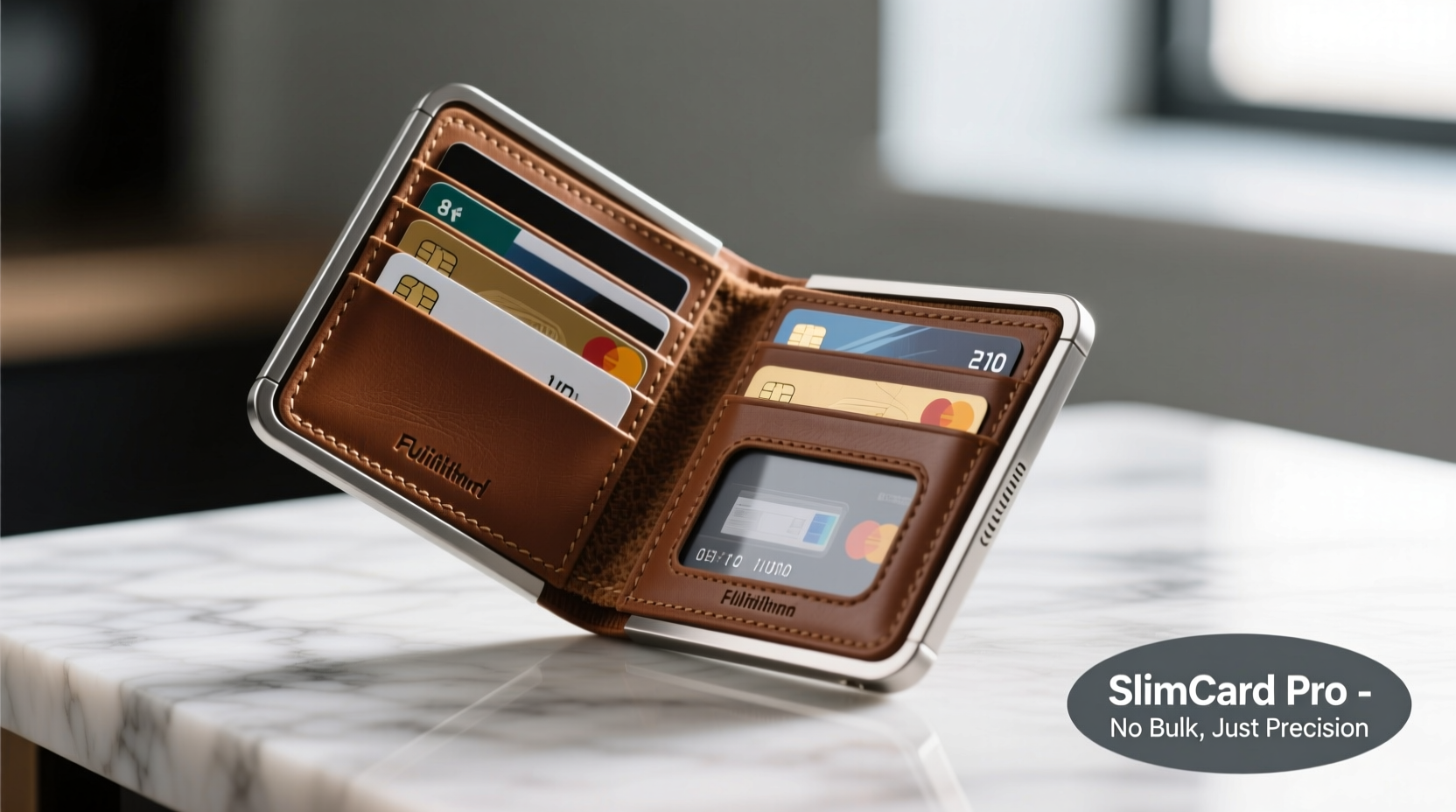
A bulging wallet isn’t just unsightly—it can damage clothing, cause discomfort when sitting, and even lead to long-term posture issues from uneven pressure in your back pocket. Most slim wallets are designed with one or two card slots, but real-world needs often require carrying five, ten, or more cards: IDs, credit cards, loyalty programs, transit passes, insurance, and emergency backups.
The issue arises not just from quantity, but from how cards are stored. Stacking too many cards in a single slot causes expansion due to friction and static resistance between plastic surfaces. Over time, this forces the wallet material to stretch or warp. Even high-quality materials like full-grain leather or aerospace-grade aluminum can succumb to repeated overloading.
Choose the Right Wallet Design for Multiple Cards
Not all slim wallets are created equal. Some are built for ultra-minimalism (one to three cards), while others are engineered to hold more without sacrificing form. When selecting a wallet for multiple cards, focus on structure, access method, and material flexibility.
| Wallet Type | Max Cards (No Bulge) | Access Speed | Bulge Risk |
|---|---|---|---|
| Fold-over Bifold | 4–6 | Moderate | High if overfilled |
| Front Pocket Slim | 3–5 | Fast | Low |
| Expandable RFID Sleeve | 6–8 | Medium | Medium |
| Metal Money Clip + Card Holder | 8–10 | Very Fast | Low (if layered correctly) |
| Spring-Loaded Mechanism Wallet | 12+ | Instant | Very Low |
The spring-loaded mechanism wallets—like those using a deployable fan system—are among the best for high capacity without bulk. These use tension arms to hold cards in a radial stack, allowing quick access while distributing pressure evenly. They’re especially popular among professionals who carry multiple corporate, rewards, and backup cards.
“Engineered card retention systems reduce internal stress by up to 70% compared to traditional slots.” — Daniel Reyes, Product Designer at Urban Gear Labs
Smart Card Organization: Reduce Quantity Without Losing Utility
Before maximizing capacity, consider minimizing necessity. Many people carry redundant or rarely used cards out of habit. A strategic audit can significantly reduce load without impacting functionality.
Step-by-Step Guide: Optimize Your Card Load
- Inventorize all cards: Lay them out and categorize each (e.g., primary debit, secondary credit, gym membership, library).
- Identify duplicates: Do you have two rewards cards from the same airline? Two gift cards nearing zero balance?
- Assess usage frequency: Use your bank app to check which cards you’ve used in the last 90 days.
- Digitalize where possible: Add eligible cards to Apple Pay, Google Wallet, or Samsung Pay.
- Consolidate roles: Use one travel-friendly card with no foreign transaction fees instead of multiple regional ones.
- Create an emergency backup set: Keep a sealed envelope with copies of essential cards at home—not in your wallet.
Most users find they can eliminate 30–50% of their physical cards after this process. That reduction alone may make a slim wallet viable again.
Master the Art of Card Stacking and Orientation
If you must carry six or more cards, technique matters. How you insert and arrange cards affects thickness, ease of retrieval, and long-term wear.
- Alternate orientation: Place every other card upside-down or reversed so magnetic strips and chips don’t align perfectly. This reduces surface adhesion and makes individual cards easier to slide out.
- Use thin spacers: Insert a business card or cut-to-size mylar sheet between groups of 3–4 cards to break up suction and improve grip.
- Limit per-slot count: Even if your wallet has room, avoid stacking more than four cards in one sleeve. Distribute across multiple sections if available.
- Trim unused cards: Cut expired or redundant cards (like old hotel key cards) in half before discarding—they take up space and create clutter.
For wallets with center storage (common in aluminum designs), consider using a micro-fan arrangement: slightly fanning the cards allows fingertip access to any one without removing the whole stack. Practice the motion slowly at first to avoid dropping cards in public.
Mini Case Study: Alex, Field Sales Executive
Alex travels weekly and carries eight cards: two credit cards, company purchasing card, driver’s license, health insurance, loyalty memberships for airlines and hotels, and a backup debit. His previous leather bifold became unusable after three months—bulging, creased, and difficult to close.
He switched to a titanium wallet with a spring-loaded deployment system and applied the alternate orientation method. By digitizing his hotel loyalty card and keeping only essential physical versions, he reduced active wallet load to six. Now, he accesses any card in under two seconds, and after nine months, the wallet shows no signs of warping. “It’s thinner than my phone,” he says, “and I’ve never felt more organized.”
Material Matters: What Your Wallet Is Made Of
The material determines how well a wallet handles compression and repeated use. Each has trade-offs in weight, durability, and flexibility.
| Material | Pros | Cons | Best For |
|---|---|---|---|
| Full-Grain Leather | Softens over time, molds to cards | Stretches if overloaded, requires conditioning | Users who rotate cards frequently |
| Aluminum | Ultra-thin, crush-resistant, sleek | Can scratch cards, limited expansion | Urban commuters, EDC enthusiasts |
| Titanium | Stronger than aluminum, corrosion-proof | Higher cost, fewer designs available | Travelers and outdoor professionals |
| Polycarbonate Composite | Lightweight, impact-resistant, affordable | Less premium feel, can crack under stress | Students and budget-conscious users |
| RFID-Blocking Fabric | Folds easily, blocks digital theft | Wears faster, less structural support | Minimalists with 3–5 cards |
Leather wallets benefit from occasional “card rotation”—removing all cards overnight to let the material rebound. Metal wallets, while rigid, rely on precise engineering; choose models with rounded edges to prevent pocket wear and inner lining to reduce card abrasion.
Checklist: Carry Multiple Cards Without Bulge
- ✅ Audit your cards—remove unused or duplicate ones
- ✅ Digitize at least 2–3 cards via mobile wallet apps
- ✅ Choose a wallet type rated for 6+ cards (e.g., spring-loaded or multi-sleeve)
- ✅ Stack no more than 4 cards per slot
- ✅ Alternate card orientation to reduce sticking
- ✅ Use a mylar spacer between card groups
- ✅ Store backup cards at home, not in wallet
- ✅ Clean wallet interior monthly to remove dust and grime
Frequently Asked Questions
Can I carry 10 cards in a slim wallet without problems?
Yes, but only with the right wallet. Spring-loaded or multi-compartment metal wallets are designed for 10+ cards. Avoid stuffing traditional leather sleeves beyond 6 cards to prevent permanent stretching.
Do card stacking methods really prevent bulging?
They help significantly. Alternating orientation breaks surface tension between cards, reducing clumping. Combined with proper spacing and distribution, stacking techniques can delay bulging by months or even years.
Is it safe to trim or modify my cards?
You can safely cut expired or non-functional cards (like old keycards). However, never alter the shape of active credit, ID, or government-issued cards—this may invalidate them or raise suspicion during verification.
Final Thoughts: Minimalism Meets Practicality
A slim wallet doesn’t have to mean sacrificing functionality. The key is balancing thoughtful curation with intelligent design. By selecting the right wallet, organizing your cards strategically, and applying proven stacking techniques, you can carry everything you need in a profile that stays sleek, professional, and comfortable.
Technology continues to reduce our reliance on physical cards, but until we reach a fully digital future, smart analog solutions remain essential. Whether you're a frequent traveler, urban commuter, or simply someone who values clean design, optimizing your wallet setup is a small change with noticeable daily benefits.




 浙公网安备
33010002000092号
浙公网安备
33010002000092号 浙B2-20120091-4
Comments
No comments yet. Why don't you start the discussion?