
Carrying multiple credit cards is a practical necessity for many people—whether for travel, rewards optimization, business expenses, or financial backup. However, stuffing several cards into a standard wallet often leads to discomfort, bulging pockets, and increased risk of damage or theft. The challenge lies in balancing accessibility with security and minimalism. Fortunately, modern solutions and strategic habits make it possible to manage multiple cards efficiently, discreetly, and safely.
The goal isn’t just to reduce physical bulk but to enhance control over your financial tools. A streamlined approach reduces wear on cards, lowers the chance of loss, and makes fraud harder to execute. This guide explores proven methods to carry multiple credit cards securely while maintaining a sleek, organized profile.
Choose the Right Wallet Design
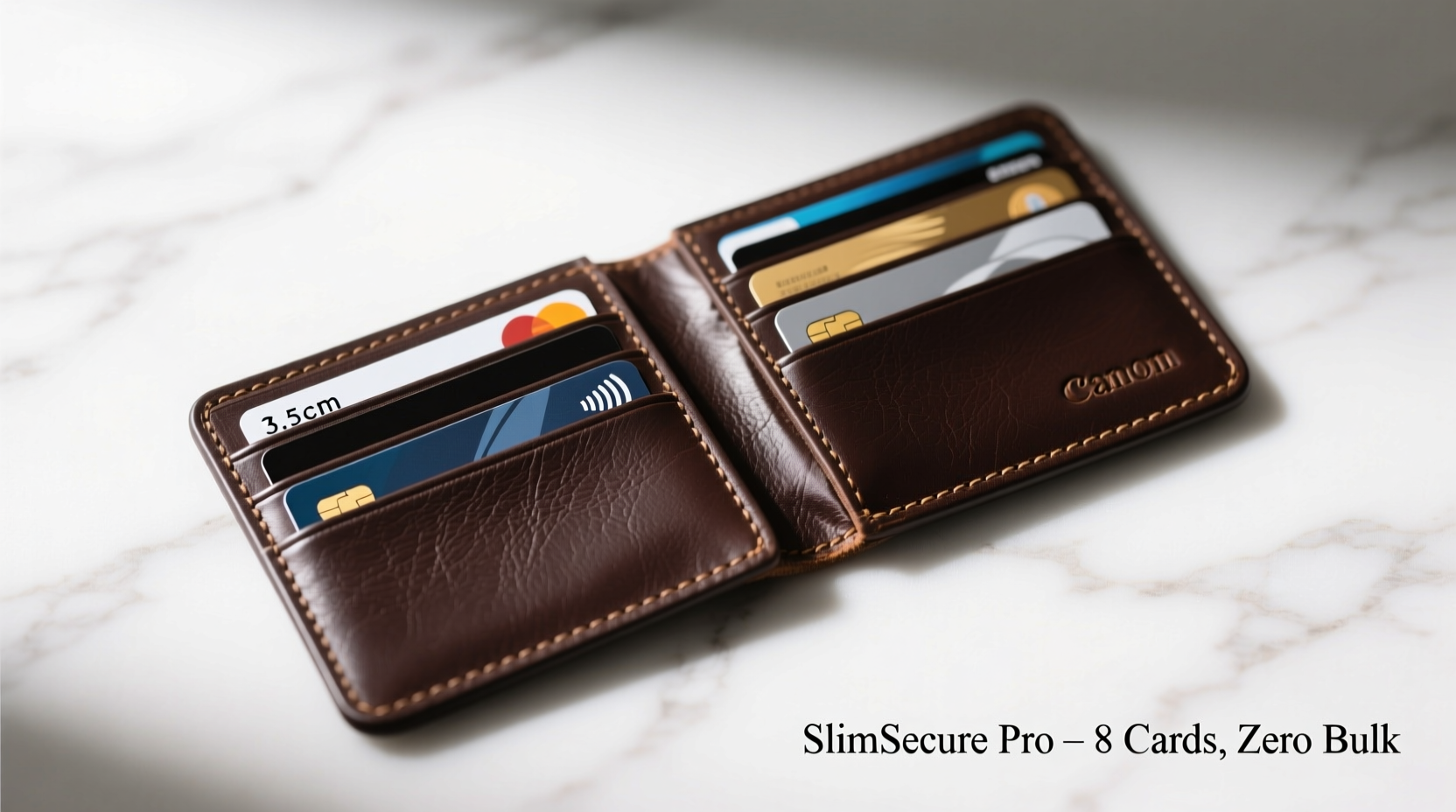
The foundation of carrying multiple cards without bulk starts with selecting an appropriate wallet. Traditional bi-fold wallets often encourage overstuffing and create pressure points that warp cards. Instead, opt for designs engineered for efficiency and durability.
- Front-pocket slim wallets: These fit snugly in front pants pockets, reducing strain on clothing and lowering pickpocket risk. Many are made from aircraft-grade aluminum, carbon fiber, or reinforced polymer.
- Horizontal card access: Wallets with side-access slots allow you to slide cards out smoothly without removing the entire wallet. This minimizes fumbling and exposure during transactions.
- Expandable capacity: Some minimalist wallets use spring-loaded mechanisms or elastic bands to hold 4–6 cards securely while remaining compact.
Use RFID Protection Without Compromise
Radio Frequency Identification (RFID) skimming is a real concern. Fraudsters can use handheld devices to read contactless card data from a distance. While not all credit cards are vulnerable, many newer models with tap-to-pay functionality emit signals that could be intercepted.
A secure multi-card system must include RFID shielding. However, not all \"RFID-blocking\" products are equal. Poorly designed sleeves or wallets may block signals inconsistently or degrade over time.
“RFID protection should be integrated into the wallet’s core structure, not added as an afterthought.” — Daniel Reyes, Cybersecurity Analyst at FinShield Labs
Look for wallets tested to block frequencies between 13.56 MHz and 900 MHz—the range used by most payment systems. Independent lab certifications, such as those from EMVCo or FCC, add credibility.
RFID Wallet Comparison
| Wallet Type | RFID Protection | Card Capacity | Bulk Level (1–5) |
|---|---|---|---|
| Aluminum slider | Full blocking via Faraday cage | 4–6 cards | 1 |
| Leather bifold with lining | Partial (if lined with metal mesh) | 6–8 cards | 4 |
| Nylon sleeve with shield | High (tested up to 30 cm distance) | 3–5 cards | 1 |
| Plastic snap-case | None | 2–3 cards | 1 |
As shown, aluminum sliders and shielded nylon sleeves offer the best balance of protection and low profile. Avoid bulky leather wallets unless they incorporate verified shielding materials.
Implement a Tiered Access Strategy
Not all cards deserve equal prominence. A tiered system categorizes cards by usage frequency and importance, ensuring quick access to essentials while keeping backups secure.
- Primary cards (Tier 1): One rewards card for daily spending and one emergency card. Keep these in immediate-access slots.
- Secondary cards (Tier 2): Cards used weekly—such as a gas or grocery-specific card. Store in secondary slots or a separate compartment.
- Backup cards (Tier 3): Infrequently used or high-limit cards. These can be stored at home or in a digital wallet until needed.
This method prevents clutter and ensures that losing your wallet doesn’t compromise your full financial portfolio. It also reduces decision fatigue at checkout—you know exactly which card to reach for based on the purchase type.
Mini Case Study: Frequent Traveler's Setup
Sophie, a marketing consultant who travels internationally four times a year, carries five credit cards. Her strategy reflects careful prioritization:
- Tier 1: A no-foreign-transaction-fee travel card (in easy-access slot).
- Tier 2: A co-branded airline card and a cash-back dining card (stored behind the primary).
- Tier 3: A secured card for credit rebuilding and a domestic rewards card—both kept at home.
She uses a titanium wallet with a push-button release mechanism, allowing her to fan out cards with one hand. During a trip to Japan, when her primary card was declined due to fraud detection, she accessed her airline card within seconds—avoiding embarrassment and delay. By limiting on-the-go cards to three, she maintains security without sacrificing flexibility.
Digitize Where Possible
The most effective way to reduce physical card load is to leverage digital alternatives. Mobile wallets like Apple Pay, Google Pay, and Samsung Pay allow you to store multiple cards securely on your smartphone or smartwatch.
Digital storage offers several advantages:
- Dynamic security codes: Each transaction generates a unique token, making stolen data useless.
- Remote disable: If your phone is lost, you can instantly freeze all linked cards via Find My Device or similar tools.
- No physical wear: Cards left at home avoid demagnetization and edge damage.
For maximum efficiency, sync your Tier 1 and Tier 2 cards to your mobile wallet. Use your physical wallet primarily as a backup. This hybrid model ensures you’re never stranded if your phone dies, while minimizing what you carry.
Step-by-Step: Secure Digital Card Setup
- Open your preferred mobile wallet app (e.g., Apple Wallet).
- Select “Add Credit or Debit Card” and follow prompts to scan or enter details.
- Verify ownership through your bank’s authentication process (SMS, email, or app approval).
- Once approved, set the card as default if desired.
- Enable biometric locks (Face ID, fingerprint) on your device.
- Repeat for up to four additional cards, prioritizing by use case.
- Store original cards in a fireproof home safe or lockbox.
This routine takes less than 15 minutes and dramatically reduces the number of physical cards you need to carry daily.
Maintain Security Through Routine Habits
Even the best wallet fails if habits undermine its purpose. Security isn’t just about technology—it’s about behavior. Adopt routines that protect your cards before, during, and after use.
Checklist: Daily Credit Card Security Routine
- ✅ Count cards before leaving home or hotel room.
- ✅ Verify that no unfamiliar cards are in your wallet.
- ✅ Confirm mobile wallet is active and charged.
- ✅ Check recent transactions via banking app for suspicious activity.
- ✅ Store wallet in front pocket or anti-theft bag compartment.
- ✅ Never leave wallet unattended, even briefly.
Additionally, conduct a monthly audit:
- Review each card’s annual fee and rewards earned.
- Cancel unused cards to reduce exposure.
- Update emergency contacts and fraud alerts with issuers.
- Inspect physical cards for signs of tampering or skimming residue.
“Most credit card fraud begins with physical access or social engineering. Protecting your cards starts with awareness.” — Lena Patel, Senior Fraud Investigator at National Consumer Protection Bureau
Frequently Asked Questions
Is it safe to carry more than three credit cards?
Carrying more than three cards increases risk without proportional benefit for most users. If you require multiple cards, prioritize digital storage for backups and limit physical carry to essential cards. Always ensure your wallet has RFID protection and keep track of each card’s location.
Can RFID blockers damage my credit cards?
No, properly designed RFID blockers do not harm credit cards. They work by creating a metallic barrier that prevents unauthorized scanning. However, avoid cheap sleeves with sharp edges or adhesive residues that could scratch chips or magnetic strips.
What should I do if my wallet is stolen?
Act immediately: (1) Contact your bank or card issuer to freeze all cards. (2) Use your mobile banking app to disable digital versions. (3) File a police report if identity theft is suspected. (4) Monitor accounts for unusual activity. Having a list of card numbers and customer service numbers stored securely (e.g., encrypted note) speeds up recovery.
Conclusion: Smart Carrying Is Smart Living
Carrying multiple credit cards without bulk isn’t about fitting more into less—it’s about being intentional with what you carry and how you protect it. The right combination of minimalist hardware, digital integration, and disciplined habits transforms a potential liability into a seamless part of your financial life.
You don’t need every card on your person to benefit from their features. By classifying cards by priority, leveraging secure mobile wallets, and choosing intelligent storage, you gain convenience, reduce risk, and move through the world with confidence.




 浙公网安备
33010002000092号
浙公网安备
33010002000092号 浙B2-20120091-4
Comments
No comments yet. Why don't you start the discussion?