
Carrying multiple credit cards is often necessary—whether for maximizing rewards, managing business expenses, or maintaining emergency backups. But stuffing your pocket with a thick wallet full of plastic can be uncomfortable, unprofessional, and even a security risk. The solution isn’t to carry fewer cards, but to carry them smarter. With the right tools, habits, and strategies, you can maintain access to all your essential cards while keeping your load light and discreet.
Choose the Right Wallet: Slim, Secure, and Functional
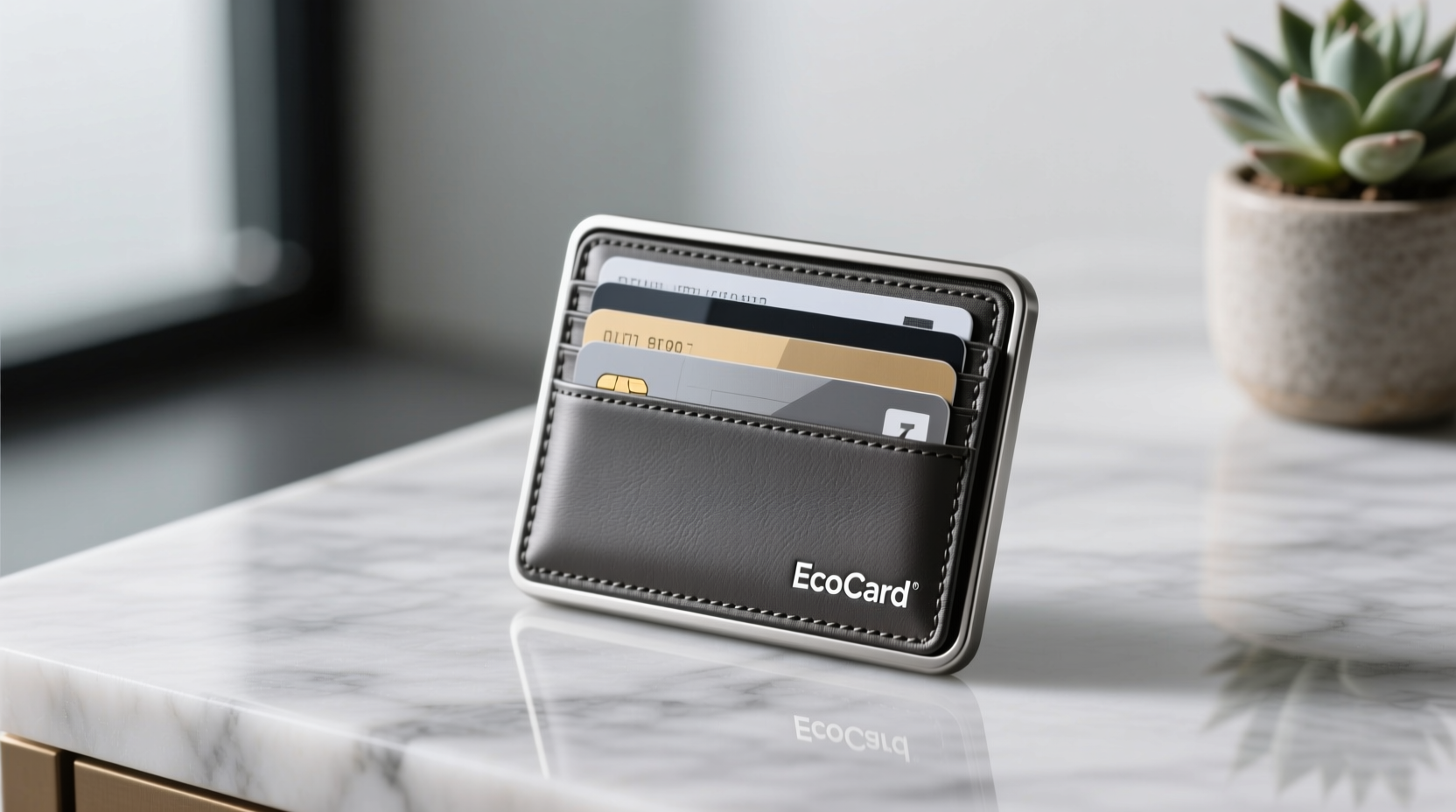
The foundation of carrying multiple cards without bulk starts with selecting the right wallet. Traditional bi-fold wallets often encourage overstuffing, leading to bulging pockets and back strain. Instead, opt for minimalist designs engineered for efficiency.
Modern slim wallets are typically made from materials like aluminum, carbon fiber, or high-strength polymers that protect cards while minimizing volume. Many feature spring-loaded mechanisms or pull-tab ejectors that allow quick access to individual cards without spreading them out.
When shopping for a slim wallet, consider these features:
- Capacity: Holds 4–8 cards comfortably without expansion.
- Access: Front-access or side-pull design for fast retrieval.
- Security: RFID-blocking lining to prevent digital skimming.
- Build: Durable, scratch-resistant materials that age well.
Popular models like the Bellroy Note Sleeve, Secrid Cardprotector, or Ridge Wallet balance sleekness with functionality, offering structured storage without unnecessary layers.
Strategic Card Categorization: What to Carry and What to Leave
Not every card deserves daily real estate in your wallet. A disciplined approach to categorizing your cards reduces clutter and enhances usability. Think of your wallet as a curated toolkit—not a storage unit.
Create three categories:
- Essential (Daily Carry): Primary credit card, debit card, driver’s license, and one backup card.
- Occasional Use: Business card, loyalty program, or co-branded card used monthly.
- Rarely Used: Old rewards cards, expired backups, or low-limit accounts.
Only the first category should live in your everyday wallet. The others can be stored securely at home or accessed digitally via mobile wallets.
| Card Type | Recommended Location | Notes |
|---|---|---|
| Main Credit Card | Front pocket wallet | Use for daily purchases and rewards accumulation |
| Backup Credit Card | Secondary slot or separate compartment | Different network (e.g., Amex vs. Visa) for wider acceptance |
| Debit Card | Wallet or phone case | Keep separate from credit cards to limit exposure |
| Loyalty/Rewards Cards | Mobile wallet | Add to Apple Wallet or Google Pay to reduce physical load |
| Emergency Card | Home safe or lockbox | Sealed envelope with activation instructions |
Digitize What You Can: Leverage Mobile Wallets
One of the most effective ways to reduce physical card volume is to offload non-essential cards into digital storage. Mobile wallets like Apple Pay, Google Pay, and Samsung Pay support hundreds of credit, debit, and membership cards—all accessible with a tap of your phone.
Digitizing doesn’t just save space—it enhances security. Digital cards use tokenization, meaning your actual card number is never shared during transactions. Plus, if your phone is lost, remote wipe features can disable access instantly.
To maximize mobile wallet efficiency:
- Add frequently used loyalty and gift cards.
- Store secondary credit cards for occasional use.
- Use virtual card numbers offered by banks (e.g., Citi Virtual Account Numbers) for online-only purchases.
“Digital wallets are not just convenient—they’re more secure than carrying ten physical cards. Most breaches happen through lost wallets, not hacked phones.” — David Tran, Cybersecurity Analyst at FinShield Labs
Step-by-Step: Streamline Your Card Load in One Evening
You don’t need weeks to reorganize. Follow this 45-minute process to optimize your carry:
- Gather all cards (10 minutes): Pull every card from drawers, old wallets, and envelopes. Lay them out on a table.
- Categorize (10 minutes): Sort into “Daily,” “Occasional,” and “Rare” piles based on usage frequency.
- Digitize (15 minutes): Add loyalty, gift, and backup cards to your mobile wallet. Delete duplicates.
- Select & Load (5 minutes): Choose 4–6 essential cards for your slim wallet. Insert them neatly.
- Store Safely (5 minutes): Place remaining cards in a labeled organizer at home. Note expiration dates and PINs in a password manager.
Real-World Example: How a Freelancer Manages Five Cards Without Bulk
Maya, a freelance designer based in Portland, uses five credit cards strategically: two for travel rewards, one for business expenses, one personal cashback card, and a secured card for credit building. Carrying all five used to mean a thick leather wallet that distorted her jeans and set off metal detectors at airports.
Her solution?
- She now carries only her primary rewards card and driver’s license in a titanium wallet.
- Her business card and backup Amex are stored in Apple Pay.
- The secured card stays at home, activated only quarterly for a small utility payment to boost her score.
- Loyalty cards for coffee shops and retailers are fully digitized.
The result? A front-pocket carry that’s barely noticeable, reduced risk of loss, and better spending tracking across accounts. She reviews her card usage every Sunday night to adjust what she’ll carry the next week.
Avoid These Common Mistakes
Even with the best gear, poor habits can undo your efforts. Watch out for these pitfalls:
- Overloading your slim wallet: Just because it fits doesn’t mean it should. More than 6 cards defeats the purpose.
- Ignoring RFID risks: Thin wallets offer less shielding. If yours lacks RFID protection, consider a sleeve or separate blocker.
- Forgetting expiration dates: Cards left in wallets for years can expire unnoticed, disrupting automatic payments.
- Duplicating networks: Carrying two Visa cards limits fallback options if one is declined due to network issues.
“The ideal wallet setup changes with your lifestyle. Reassess every 3–6 months—your needs today might not match those from last year.” — Lena Park, Financial Organization Coach
Checklist: Optimize Your Multi-Card Carry
Use this checklist to ensure your system is efficient and secure:
- ✅ Audit all credit cards and sort by usage frequency
- ✅ Select no more than 4–6 cards for daily carry
- ✅ Choose a slim, RFID-protected wallet with easy access
- ✅ Digitize loyalty, gift, and backup cards in Apple Pay or Google Pay
- ✅ Store inactive cards in a fireproof home safe or lockbox
- ✅ Label stored cards with notes (e.g., “Travel Backup – Call to Activate”)
- ✅ Schedule a quarterly review to update your carry rotation
- ✅ Enable alerts on all cards for fraud detection and renewal reminders
Frequently Asked Questions
Is it safe to carry multiple credit cards?
Yes, as long as you limit physical exposure and use secure storage. Never carry your PINs, and enable transaction alerts. If your wallet is lost, having only 1–2 active cards makes freezing accounts faster and less disruptive.
What’s the maximum number of cards I should carry daily?
Most experts recommend 4–6 cards max. This includes IDs, primary credit, debit, and one backup. Beyond that, accessibility drops and bulk increases. Use digital wallets to extend your functional capacity without physical weight.
Can RFID-blocking wallets damage my cards?
No. RFID blocking works by creating a shielded layer (usually metal mesh) that prevents unauthorized scanning. It does not interfere with normal NFC payments or magnetic strips. However, avoid stacking RFID sleeves unnecessarily, as friction can wear down edges over time.
Final Thoughts: Less Bulk, More Control
Carrying multiple credit cards doesn’t have to mean a bulky, disorganized wallet. By combining smart hardware, digital tools, and intentional habits, you can maintain full financial flexibility with minimal physical footprint. The goal isn’t to carry everything—but to carry what matters, when it matters.
Start today by clearing out your current wallet, assessing your real needs, and investing in a system that supports both convenience and security. Whether you're a frequent traveler, a business owner, or someone building credit, a streamlined approach gives you peace of mind and freedom of movement.




 浙公网安备
33010002000092号
浙公网安备
33010002000092号 浙B2-20120091-4
Comments
No comments yet. Why don't you start the discussion?