
Head lice are a common issue, especially among school-aged children, but they can affect anyone regardless of hygiene or socioeconomic status. While not dangerous, lice infestations can cause itching, discomfort, and social stigma if not addressed promptly. The key to managing lice lies in early detection and thorough treatment. This guide walks you through the process of checking for head lice, identifying signs, and taking effective action to eliminate them.
Understanding Head Lice: What You Need to Know
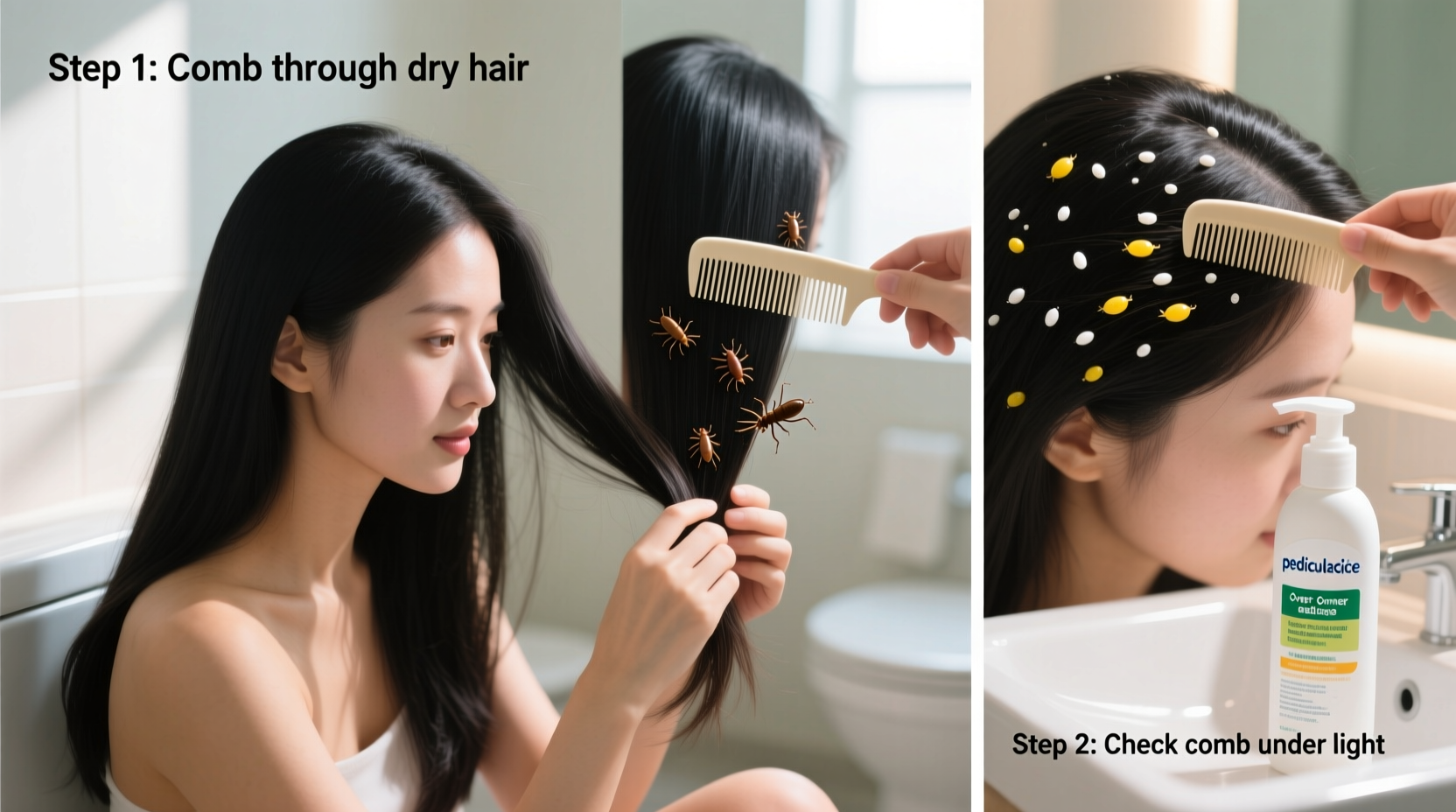
Head lice (Pediculus humanus capitis) are tiny parasitic insects that live on the human scalp and feed on blood. They do not jump or fly but spread through direct head-to-head contact. Lice lay eggs—called nits—which attach firmly to hair shafts near the scalp. Understanding their life cycle helps in detecting and treating infestations more effectively.
The lifecycle includes three stages:
- Eggs (nits): Tiny, oval-shaped, and usually yellow to white. Hatch in 6–9 days.
- Nymphs: Immature lice that mature into adults within 7–12 days.
- Adult lice: About the size of a sesame seed, tan to grayish-white. Live up to 30 days on a host.
Lice cannot survive more than 1–2 days off the human body, which means transmission primarily occurs through close personal contact, especially among children during play or group activities.
“Early detection is critical. A single female louse can lay up to 10 eggs per day. By the time itching begins, the infestation may already be well underway.” — Dr. Linda Harper, Pediatric Dermatologist
Step-by-Step Guide to Checking for Head Lice
Detecting lice early prevents widespread infestation and reduces the need for repeated treatments. Follow this detailed method for an accurate check.
- Gather your tools: Fine-toothed lice comb (nit comb), magnifying glass, white towel or paper, good lighting, and a hair clip or sectioning tool.
- Choose the right time: Check in the evening or after school when the scalp is warm—lice are more active.
- Wet the hair: Dampen the hair thoroughly with water or conditioner. Wetting immobilizes lice, making them easier to catch.
- Section the hair: Divide the hair into four quadrants using clips. Work one section at a time.
- Comb systematically: Starting at the scalp, place the comb as close to the roots as possible. Draw it slowly down to the ends. After each stroke, wipe the comb on a tissue or examine under light.
- Inspect carefully: Look for live lice (which move quickly) and nits (small, shiny specks cemented to the hair shaft). Nits found more than ¼ inch from the scalp are likely dead or hatched.
- Repeat for all sections: Ensure every part of the scalp is combed, paying special attention to behind the ears and the nape of the neck—common hiding spots.
- Document findings: Note location and number of lice or nits. This helps assess severity and track progress.
Treatment Options: What Works and What Doesn’t
Once lice are confirmed, prompt treatment is essential. Not all products are equally effective due to increasing resistance. Choose evidence-based methods.
| Treatment Type | How It Works | Effectiveness | Notes |
|---|---|---|---|
| OTC Medicated Shampoos (e.g., permethrin, pyrethrins) | Kills live lice; may require repeat application | Moderate – resistance common | Follow label instructions; avoid overuse |
| Prescription Treatments (e.g., ivermectin, spinosad) | Stronger formulas targeting resistant lice | High | Requires doctor’s prescription |
| Wet Combing (Manual Removal) | Physically removes lice and nits with comb | High with consistency | No chemicals; requires patience and daily effort |
| Natural Oils (e.g., coconut, tea tree) | May suffocate lice temporarily | Low to unproven | Not reliable as sole treatment |
A combination approach often yields the best results. For example, using a medicated treatment followed by daily wet combing for two weeks ensures both lice and newly hatched nits are removed.
Prevention and Household Management
While lice don’t thrive on furniture or pets, they can survive briefly on shared items. Prevent reinfestation by addressing the environment.
Do’s and Don’ts for Lice Prevention
| Do’s | Don’ts |
|---|---|
| Wash bedding, hats, and clothing in hot water (130°F) and dry on high heat | Use pesticide sprays on furniture or carpets |
| Seal non-washable items in plastic bags for 2 weeks | Shave heads—it’s unnecessary and traumatic |
| Vacuum upholstered furniture and car seats | Use excessive chemical treatments on children |
| Teach children to avoid head-to-head contact | Panic or stigmatize affected individuals |
Real Example: How One Family Managed a Lice Outbreak
The Thompson family discovered their 7-year-old daughter had lice after she complained of persistent scalp itching. Instead of reacting with alarm, they followed a structured plan. First, they confirmed the diagnosis using a nit comb and magnifier. Finding several live lice and clusters of nits behind her ears, they scheduled a pediatrician visit and received a prescription for topical ivermectin.
They treated her on Day 1, then began daily wet combing sessions. Each night, they washed her pillowcase and sanitized her hairbrush. The parents also checked the other two children—even though they showed no symptoms—and found one nit but no live lice. No treatment was needed for them, only monitoring.
Within 10 days, no new lice were found. By maintaining weekly checks for a month, they prevented recurrence. Their calm, informed response minimized stress and stopped the spread at school.
Frequently Asked Questions
Can head lice jump from person to person?
No, head lice cannot jump or fly. They crawl and spread through direct head-to-head contact, such as hugging or sharing pillows, hats, or headphones.
Are head lice a sign of poor hygiene?
No. Lice actually prefer clean hair because it’s easier to attach nits to greasy or dirty hair. Infestations are unrelated to cleanliness and more about proximity to an infected person.
How long does treatment take to work?
Most treatments kill live lice within hours, but nits may still hatch. A second treatment 7–10 days later is usually necessary to kill newly emerged nymphs. Complete elimination typically takes 2–3 weeks with consistent follow-up.
Final Checklist: Your Action Plan for Lice Detection and Treatment
- Check the scalp weekly if your child is in daycare or school.
- Use a fine-toothed lice comb with good lighting and magnification.
- Confirm presence of live lice or viable nits (within ¼ inch of scalp).
- Choose an appropriate treatment—OTC, prescription, or manual removal.
- Repeat treatment as directed and comb daily for at least two weeks.
- Wash or seal potentially contaminated items.
- Notify school or childcare provider to help prevent community spread.
- Monitor for 2–3 weeks to ensure complete eradication.
Take Control and Stay Informed
Discovering head lice doesn’t mean failure—it means you’re paying attention. With the right tools and knowledge, lice infestations are manageable and temporary. Early detection, consistent treatment, and clear communication with schools and caregivers break the cycle of reinfestation. Don’t hesitate to seek medical advice if over-the-counter methods fail. Most importantly, treat the situation with calm and compassion—especially with children who may feel embarrassed. Share this guide with parents in your community and help reduce the myths and stigma around lice.




 浙公网安备
33010002000092号
浙公网安备
33010002000092号 浙B2-20120091-4
Comments
No comments yet. Why don't you start the discussion?