
Every day, millions of people carry backpacks filled with laptops, books, gym gear, or work essentials. Yet few consider the long-term impact on their lower back. Poorly designed backpacks can lead to chronic discomfort, posture issues, and even spinal misalignment over time. The key to avoiding these problems lies in selecting a backpack that provides genuine lumbar support—especially when used daily. This isn’t just about padding or aesthetics; it’s about biomechanics, weight distribution, and sustained comfort. Choosing wisely means understanding what features matter most, how they interact with your body, and how to test them before making a purchase.
Why Lumbar Support Matters in Daily Backpack Use
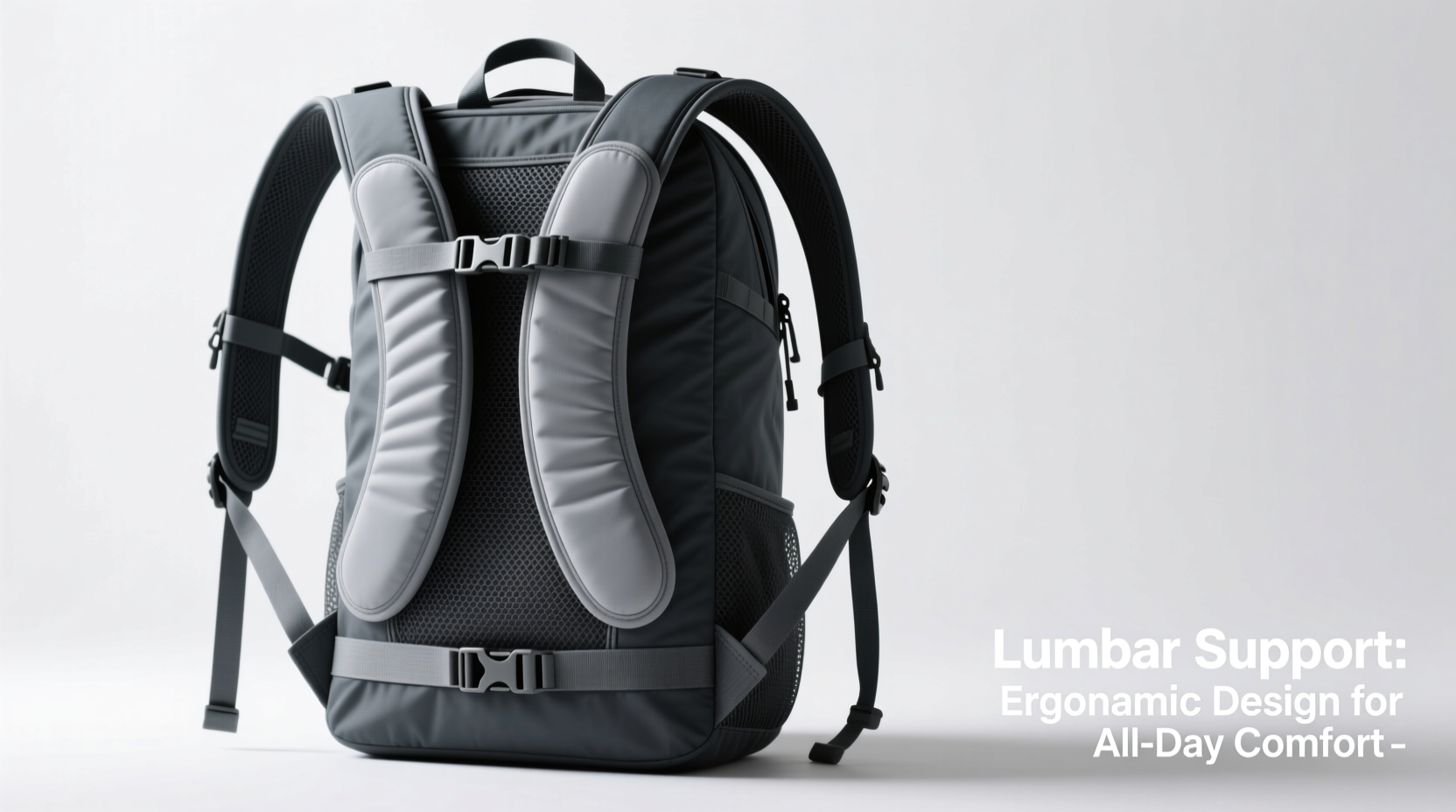
The lumbar region—the lower third of your spine—is naturally curved inward (lordosis). When this curve is compromised by poor posture or uneven load distribution, it can result in muscle fatigue, disc pressure, and nerve irritation. A standard backpack without structural support forces the entire weight onto the shoulders and upper back, creating a forward-pulling effect that exaggerates spinal curvature. Over time, this leads to slouching, reduced core engagement, and increased risk of lower back pain.
Lumbar-supported backpacks are engineered to transfer part of the load from the shoulders down to the hips via a supportive hip belt, stabilizing the pack close to the body’s center of gravity. This alignment reduces strain on the spine and encourages a more natural standing and walking posture. For those commuting, walking between classes, or hiking urban environments, this makes a measurable difference in both short-term comfort and long-term spinal health.
“Backpacks that engage the hips through a well-padded, adjustable lumbar harness can reduce compressive forces on the spine by up to 40%.” — Dr. Lena Torres, Physical Therapist & Ergonomics Consultant
Key Features of a Backpack with Proper Lumbar Support
Not all backpacks marketed as “ergonomic” deliver true lumbar support. Many include minimal padding or decorative belts that don’t function effectively. To ensure real support, focus on these critical design elements:
- Anatomical Hip Belt: Must be padded, contoured to fit around the iliac crest (top of the pelvis), and securely fastened with a reliable buckle system.
- Load-Lifter Straps: Adjustable straps connecting the shoulder harness to the top of the backpack that help pull the load closer to the back, reducing forward lean.
- Sternum Strap: Distributes weight across the chest, stabilizes shoulder straps, and prevents slipping—especially during movement.
- Adjustable Suspension System: Allows customization based on torso length, ensuring the hip belt sits correctly and the center of gravity aligns with your body.
- Structured Back Panel: Includes breathable foam, ventilation channels, and sometimes a rigid internal frame to maintain shape and prevent sagging under load.
- Weight Distribution Design: Ideally, 80% of the weight should rest on the hips, not the shoulders.
Step-by-Step Guide to Testing and Selecting Your Backpack
Choosing the right backpack isn't just about reading product descriptions—it requires hands-on evaluation. Follow this sequence to make an informed decision:
- Determine Your Torso Length: Tilt your head forward and locate the prominent bump at the base of your neck (C7 vertebra). Measure down to the top of your hip bones. Most manufacturers provide size charts based on this measurement.
- Try Before You Buy: Visit a specialty outdoor or ergonomic gear store. Wear the backpack empty first, then gradually add weight (5–10 kg) using sandbags or books.
- Adjust All Components: Secure the hip belt, tighten shoulder straps, engage load lifters, and clip the sternum strap. Everything should feel snug but not restrictive.
- Walk and Move: Pace around, climb stairs, and simulate turning or bending. Notice any shifting, bouncing, or pressure points.
- Check Weight Transfer: With the hip belt properly fastened, you should barely feel the shoulder straps bearing weight. If your shoulders ache within minutes, the lumbar support is inadequate.
- Evaluate Ventilation: After five minutes of walking, check for excessive sweating behind the back panel. Mesh-covered foam or air-channel designs perform best.
- Assess Access and Organization: Ensure compartments meet your needs without compromising structure. Top-loading packs often offer better stability than front-panel designs.
Comparison Table: Supported vs. Unsupported Backpack Designs
| Feature | With Proper Lumbar Support | No/Limited Lumbar Support |
|---|---|---|
| Weight Distribution | 80% on hips, 20% on shoulders | Primarily on shoulders and upper back |
| Hip Belt | Padded, load-bearing, anatomically shaped | Thin, decorative, or absent |
| Torso Adjustability | Multiple adjustment points (shoulder, hip, load lifters) | Fixed or limited adjustments |
| Postural Impact | Maintains natural spinal alignment | Promotes forward hunching and slouching |
| Recommended Use | Daily commutes, travel, heavy loads | Light, occasional use (e.g., weekend outings) |
| Average Price Range | $80–$200 | $20–$60 |
Real-World Example: A Commuter’s Transformation
Jamal, a software developer in Seattle, walked 45 minutes each way to work carrying a standard laptop backpack. Within six months, he developed persistent lower back tightness and noticed himself leaning forward while walking. His physical therapist identified poor load distribution as the root cause. He switched to a backpack with a molded EVA foam hip belt, load-lifter straps, and a ventilated back panel. After adjusting the fit, Jamal reported immediate relief. “It felt like someone lifted a sack off my shoulders—even though the weight was the same,” he said. Two months later, his morning stiffness disappeared, and his posture improved noticeably during video calls.
This case illustrates how functional design, not just capacity or brand reputation, determines long-term usability. A backpack that supports the lumbar zone doesn’t eliminate weight—it repositions it where the body is designed to carry it.
Common Mistakes to Avoid When Buying
Even with good intentions, many buyers fall into traps that undermine lumbar support effectiveness. Watch out for these pitfalls:
- Ignoring Torso Fit: One-size-fits-all models rarely accommodate different spinal lengths, leading to misaligned hip belts.
- Overloading Beyond Capacity: Even the best-supported pack fails if overloaded. Stick to 10–15% of your body weight for daily use.
- Using the Hip Belt Incorrectly: Wearing it too high or loose negates its purpose. It must anchor firmly on the pelvis.
- Prioritizing Style Over Structure: Sleek, minimalist backpacks often sacrifice internal framing and padding needed for support.
- Neglecting Adjustments Over Time: Body position changes with clothing, posture, and fatigue. Re-tune straps throughout the day if needed.
Essential Checklist: How to Verify Proper Lumbar Support
Before finalizing your purchase, run through this checklist to confirm the backpack meets ergonomic standards:
- ✅ Does the hip belt have thick, contoured padding aligned with the iliac crest?
- ✅ Can the shoulder straps be adjusted independently for asymmetrical fits?
- ✅ Are there load-lifter straps connecting the top of the pack to the shoulder harness?
- ✅ Is the back panel structured with firm foam or a semi-rigid frame sheet?
- ✅ Does the sternum strap slide vertically to match your chest height?
- ✅ Can you walk comfortably with 8–12 kg inside without shoulder strain?
- ✅ Is the material breathable? Look for mesh overlays or vertical airflow channels.
- ✅ Does the manufacturer provide a sizing guide based on torso length?
Frequently Asked Questions
Can a backpack really prevent lower back pain?
Yes—when properly fitted and used, a backpack with effective lumbar support redistributes weight to the stronger muscles of the hips and core, significantly reducing compression on the lumbar discs. Studies show users report up to 50% less discomfort after switching from unsupported to supported models during regular commutes.
Are lumbar-support backpacks only for hiking?
No. While common in hiking packs, the same principles apply to urban and professional use. Anyone carrying more than 5 kg regularly benefits from load transfer technology. Many modern commuter backpacks now integrate subtle lumbar systems without sacrificing professional appearance.
How do I clean and maintain the lumbar padding?
Use a damp cloth with mild soap to wipe down the hip belt and back panel monthly. Avoid submerging the pack, as this can degrade foam integrity and adhesive layers. Let it air-dry away from direct sunlight. Inspect stitching and buckles every few months for wear.
Final Thoughts: Invest in Long-Term Comfort
Your backpack shouldn’t be an afterthought. For anyone using one daily, it’s an extension of your posture, mobility, and physical well-being. Choosing a model with genuine lumbar support isn’t about luxury—it’s a practical investment in musculoskeletal health. The slight upfront cost is negligible compared to potential medical bills, lost productivity, or chronic discomfort down the line. Prioritize fit, function, and adjustability over trends. Test thoroughly, load realistically, and trust feedback from your body over marketing claims.




 浙公网安备
33010002000092号
浙公网安备
33010002000092号 浙B2-20120091-4
Comments
No comments yet. Why don't you start the discussion?