
Selecting the right harness for your dog is about more than just style or convenience—it’s a decision that directly impacts their health, comfort, and overall well-being. As dogs rely heavily on their ability to move freely and regulate body temperature, especially during walks, runs, or outdoor adventures, a poorly designed harness can lead to overheating, chafing, restricted breathing, or even long-term musculoskeletal issues. A breathable dog harness addresses these concerns by allowing air circulation, reducing moisture buildup, and distributing pressure evenly across the body. But with so many options on the market, how do you identify one that truly delivers on both comfort and safety?
Why Breathability Matters in Dog Harnesses
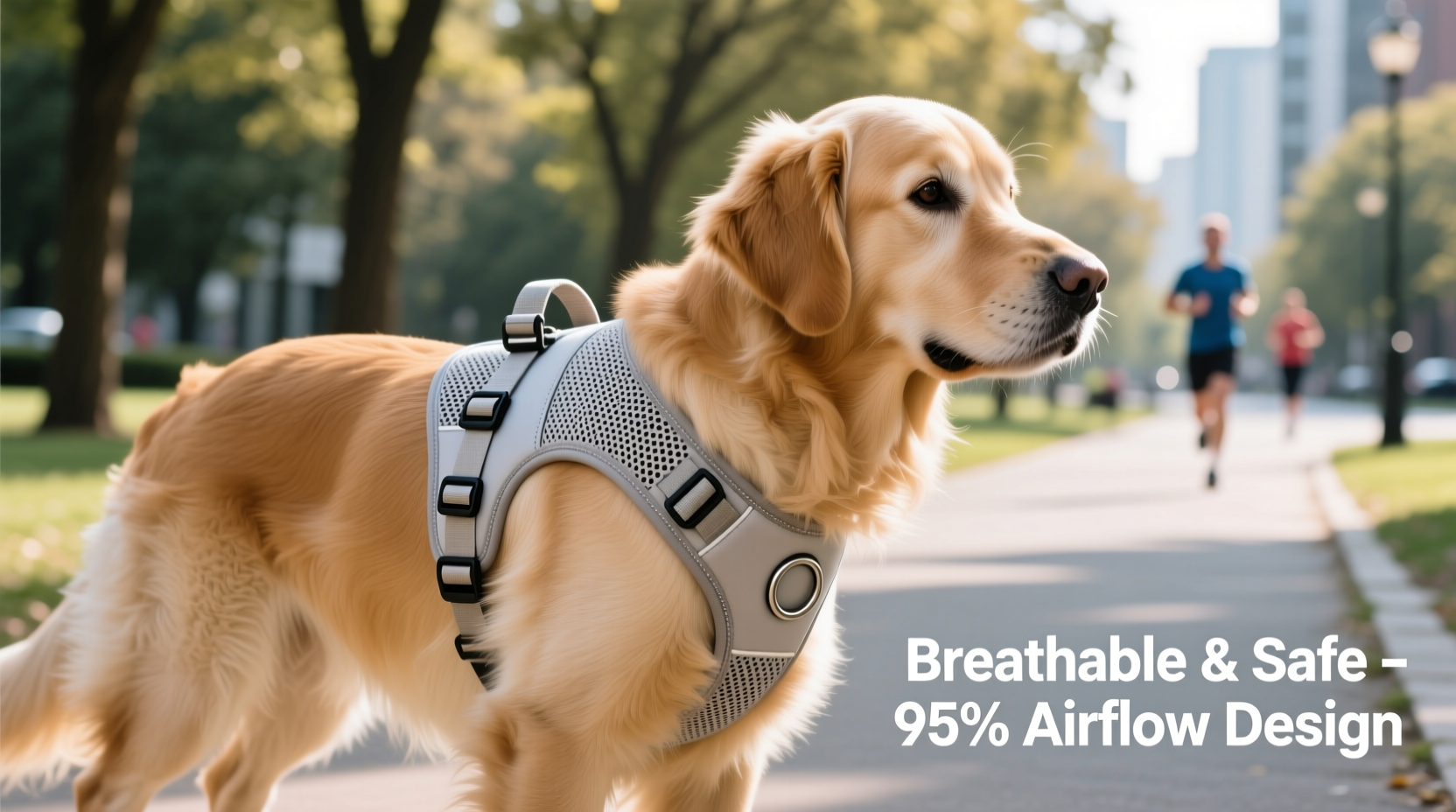
Dogs don’t sweat like humans; they primarily cool themselves through panting and releasing heat from their paws and ears. During physical activity, especially in warm weather, a non-breathable harness can trap heat against their chest and underarms, increasing the risk of overheating and discomfort. Synthetic materials or thick padding may seem supportive but often retain moisture and restrict airflow.
Breathable harnesses are typically constructed with mesh panels, moisture-wicking fabrics, and open designs that promote ventilation. These features help prevent skin irritation, reduce the chance of fungal infections, and allow dogs to stay cooler longer. For breeds prone to respiratory issues—like Bulldogs, Pugs, or Boxers—a harness that doesn’t compress the trachea and allows unrestricted breathing is not just beneficial—it’s essential.
Key Features of a High-Quality Breathable Harness
A truly effective breathable harness combines intelligent design with functional materials. Here are the most important characteristics to evaluate before making a purchase:
- Mesh Panels: Strategically placed mesh on the chest, sides, and shoulder areas maximizes airflow without sacrificing structural integrity.
- Lightweight Materials: Nylon and polyester blends with breathable weaves offer durability while minimizing weight and heat retention.
- Padded but Perforated Straps: Padding should support pressure points (like behind the front legs), but include perforations or open-cell foam to avoid trapping sweat.
- Adjustable Fit: Multiple adjustment points ensure a snug yet non-restrictive fit, preventing rubbing and chafing.
- Reflective Elements: For safety during low-light conditions, integrated reflective stitching enhances visibility without compromising breathability.
“Dogs wearing non-breathable harnesses during moderate exercise showed elevated core temperatures and signs of stress within 20 minutes.” — Dr. Lena Torres, Veterinary Behaviorist & Canine Exercise Specialist
How to Measure Your Dog for the Perfect Fit
A poorly fitting harness—even if made from breathable materials—can negate all its benefits. An overly tight harness restricts movement and airflow; one that’s too loose can slip, rub, or allow escape. Follow this step-by-step guide to get accurate measurements:
- Neck Circumference: Measure around the base of the neck where the collar normally sits. The tape should be snug but not tight.
- Chest Girth: Wrap the measuring tape around the widest part of the chest, just behind the front legs. This is usually the largest and most critical measurement for harness fit.
- Back Length: From the base of the neck (where it meets the shoulders) to the start of the tail. Useful for determining harness coverage and positioning.
- Weight: Use your dog’s current weight as a secondary reference when comparing brand sizing charts.
Always refer to the manufacturer’s size guide, as dimensions vary significantly between brands. When in doubt between two sizes, opt for the larger one and adjust it securely rather than risking constriction.
Top Materials Used in Breathable Harnesses: A Comparison
| Material | Breathability | Durability | Maintenance | Best For |
|---|---|---|---|---|
| Nylon Mesh | High | Very High | Machine washable, quick-drying | Active dogs, warm climates |
| Neoprene with Ventilation | Medium | High | Hand wash recommended | Dogs needing extra support (e.g., seniors) |
| Recycled Polyester Mesh | High | High | Machine washable | Eco-conscious owners |
| Cotton Blends | Low-Medium | Medium | May shrink, requires gentle care | Short walks, mild weather only |
Nylon mesh remains the top choice for performance-oriented harnesses due to its balance of strength, breathability, and ease of cleaning. Avoid 100% cotton or solid neoprene unless specifically recommended by a vet for therapeutic use.
Real-World Example: Choosing the Right Harness for a Labrador Retriever
Sarah adopted a three-year-old Labrador named Max who loved hiking but often came home panting excessively and with red marks under his armpits after long trails. She initially used a padded nylon harness that looked comfortable but had solid fabric sections across the chest. After consulting her veterinarian, she switched to a harness with full mesh side panels and an airflow channel along the spine. Within weeks, Max’s recovery time improved, his coat stayed drier, and the skin irritation disappeared. The new harness weighed 30% less and adjusted precisely to his broad chest. Sarah now checks breathability as her top criterion for any dog gear.
Checklist: What to Verify Before Buying a Breathable Dog Harness
- ✅ Does it feature mesh or ventilated fabric in high-heat zones?
- ✅ Are there multiple adjustment points for neck and chest?
- ✅ Is the material lightweight and quick-drying?
- ✅ Does it have a sturdy D-ring for leash attachment?
- ✅ Is the stitching reinforced at stress points?
- ✅ Can you easily insert two fingers under all straps when fastened?
- ✅ Does it avoid pressure on the trachea and spine?
- ✅ Are reflective elements included for nighttime safety?
Frequently Asked Questions
Can a breathable harness still be durable enough for strong pullers?
Absolutely. Many breathable harnesses are engineered with ripstop nylon or ballistic mesh that resists tearing while maintaining airflow. Look for models with internal reinforcement layers and tested tensile strength ratings.
Is a no-pull design compatible with breathability?
Yes. Some front-clip no-pull harnesses are specifically designed with wide mesh panels and ergonomic shapes that discourage pulling without restricting breathing or movement. Ensure the front loop is positioned correctly—over the dog’s shoulders, not the neck.
How often should I clean a breathable harness?
After every few uses, especially if your dog gets sweaty or muddy. Most breathable harnesses can be hand-washed with mild soap and air-dried. Regular cleaning prevents bacterial growth and maintains fabric performance.
Final Thoughts: Prioritize Comfort Without Compromising Safety
A breathable dog harness isn’t a luxury—it’s a necessity for responsible pet ownership. Whether you’re walking your dog in summer heat, training an energetic puppy, or managing a senior dog with joint sensitivities, the right harness supports their natural movement and keeps them cool and safe. Don’t let marketing terms like “soft” or “comfortable” fool you; always inspect the actual materials, construction, and fit. Combine breathability with secure fastening, proper sizing, and thoughtful design to give your dog the freedom they deserve.




 浙公网安备
33010002000092号
浙公网安备
33010002000092号 浙B2-20120091-4
Comments
No comments yet. Why don't you start the discussion?