
In today’s fast-paced world, smartphones are more than just communication tools—they’re personal assistants, cameras, wallets, and entertainment hubs. With so much riding on a single device, protecting it from accidental drops is non-negotiable. Despite advancements in screen durability and water resistance, most phones remain vulnerable to impact damage. A high-quality drop proof phone case can mean the difference between a near-miss and a costly repair. But not all cases deliver equal protection. Choosing the right one requires understanding materials, design, certifications, and real-world performance.
Understand What Makes a Case Truly Drop Proof
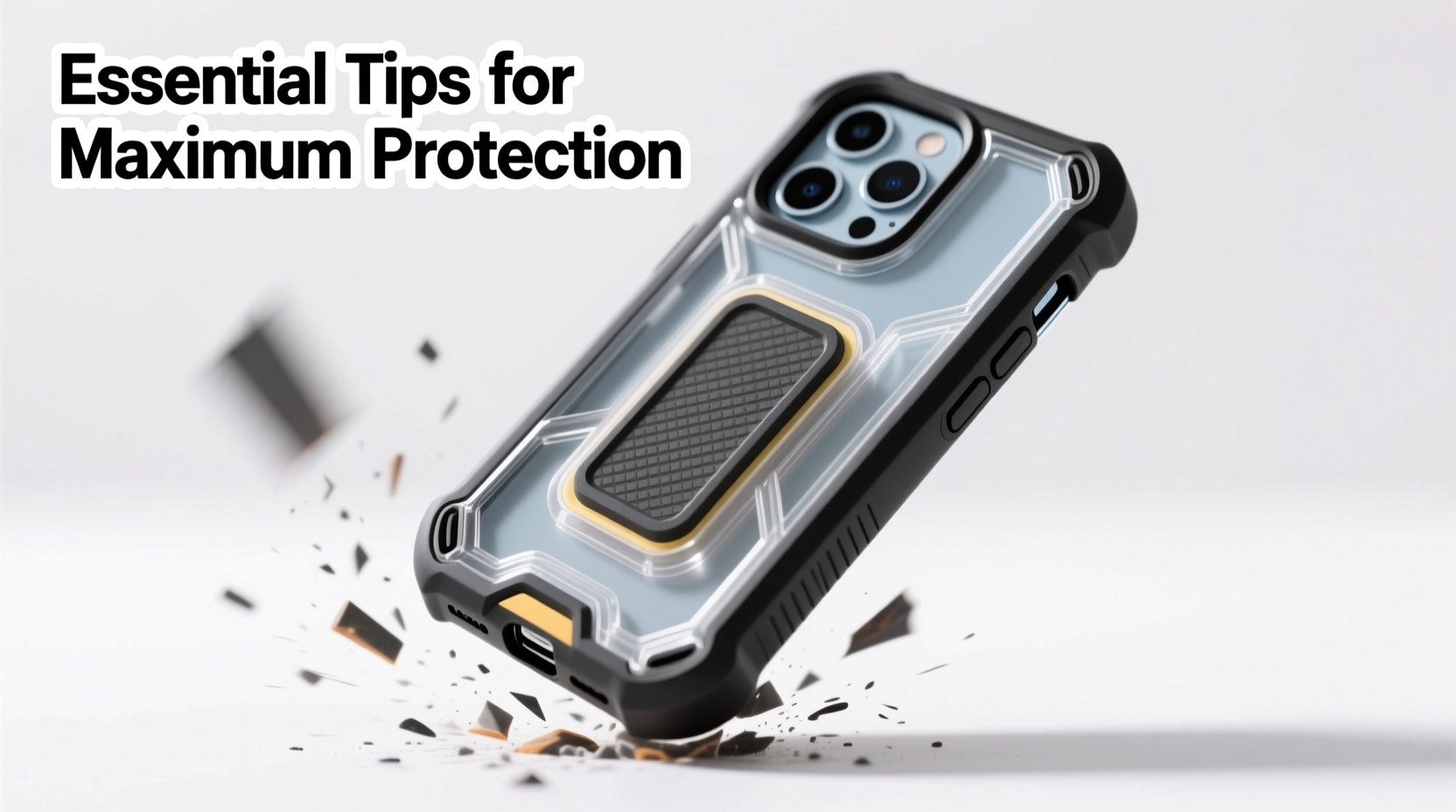
The term “drop proof” is often used loosely in marketing, but genuine protection stems from engineering, not slogans. A truly drop proof case is designed to absorb and disperse impact energy through strategic layering and structural reinforcement. Most effective models use a dual-layer system: a rigid outer shell and a shock-absorbent inner liner, typically made of TPU (thermoplastic polyurethane).
The key lies in how well the case manages kinetic energy during a fall. When a phone hits the ground, force travels through the casing into the device. A well-designed case acts as a buffer, compressing at impact points—especially corners, which bear the brunt of most drops—to reduce stress on internal components.
Material Matters: Breaking Down Your Options
Not all materials offer the same level of protection. The best drop proof cases combine multiple materials to balance durability, weight, and grip. Here’s a breakdown of common materials and their protective qualities:
| Material | Impact Resistance | Durability | Drawbacks |
|---|---|---|---|
| TPU (Thermoplastic Polyurethane) | High | Moderate | Can yellow over time; may feel sticky |
| Polycarbonate (Hard Plastic) | Moderate | High | Rigid—less shock absorption alone |
| Silicone | Low-Moderate | Low | Poor drop protection despite soft feel |
| Hybrid (TPU + Polycarbonate) | Very High | High | Slightly bulkier than single-material cases |
Hybrid cases are widely regarded as the gold standard for drop protection. They combine the flexibility and shock absorption of TPU with the rigidity and scratch resistance of polycarbonate. For maximum safety, prioritize hybrid designs, especially if you're accident-prone or work in dynamic environments.
Design Features That Enhance Protection
Beyond material, the physical design of a case plays a critical role in preventing damage. Certain features significantly improve a case’s ability to protect your phone during a fall.
- Elevated bezels: Raised edges around the screen and camera lens prevent direct contact with surfaces when placed face-down.
- Corner reinforcements: Extra padding or air pockets in the corners—where 70% of drops land—help absorb initial impact.
- Textured edges: Provide better grip, reducing the likelihood of slips.
- Port covers: Protect charging ports and speakers from dust and debris, though they’re less common in consumer models.
“Drop testing shows that corner-first impacts generate the highest risk of screen fracture. Cases with reinforced corners reduce that risk by up to 60%.” — Dr. Alan Zhou, Materials Engineer at Mobile Safety Labs
Mini Case Study: Real-World Drop Test Comparison
A 2023 independent test compared three popular case types dropped from 6 feet onto concrete: a silicone sleeve, a basic plastic shell, and a hybrid MIL-STD-rated case. After five drops each, results were clear. The silicone case failed after the second drop, cracking the phone’s back glass. The plastic shell survived three drops before the screen shattered. Only the hybrid case protected the phone through all five impacts without any damage. This highlights how construction quality directly correlates with real-world performance.
How to Evaluate Claims: Certifications and Testing Standards
Manufacturers often claim “military-grade protection,” but not all such claims are verified. The MIL-STD-810G standard, developed by the U.S. Department of Defense, is one of the most reliable benchmarks. It includes drop tests from heights of 4 to 6 feet onto plywood over concrete, simulating real-life scenarios.
However, some brands self-certify without third-party validation. To ensure authenticity:
- Check if the certification is specified per method 516.6 (transit drop test).
- Look for lab reports or links to testing documentation on the manufacturer’s website.
- Avoid vague terms like “shockproof” or “rugged” without supporting data.
Step-by-Step Guide to Choosing the Right Case
Selecting the ideal drop proof case doesn’t have to be overwhelming. Follow this practical process to make an informed decision:
- Identify your risk level: Are you frequently on the move, working outdoors, or prone to dropping your phone? High-risk users need maximum protection.
- Confirm compatibility: Ensure the case is designed for your exact phone model. Even slight misalignments can compromise protection.
- Review drop height ratings: Aim for cases rated for at least 6 feet. Premium options go up to 10–13 feet.
- Assess thickness vs. usability: Thicker cases offer more protection but may not fit in pockets or wallets. Balance safety with convenience.
- Read user reviews: Look for consistent feedback about durability, button responsiveness, and long-term wear.
- Consider added features: Some cases include kickstands, belt clips, or MagSafe compatibility—useful, but secondary to core protection.
- Verify warranty and return policy: Brands confident in their products often offer extended warranties or satisfaction guarantees.
Frequently Asked Questions
Do drop proof cases really prevent screen cracks?
While no case can guarantee 100% protection, high-quality drop proof cases significantly reduce the risk. Features like raised bezels and corner cushioning absorb impact that would otherwise travel to the screen. In controlled tests, phones with certified cases are up to 75% less likely to suffer screen damage from falls under 6 feet.
Are expensive cases worth the price?
Higher-priced cases often use superior materials, undergo rigorous testing, and offer better longevity. While budget options exist, they may skimp on corner protection or use thinner materials. Investing $30–$50 in a reliable case can save hundreds in potential repair costs.
Can I use a screen protector with a drop proof case?
Absolutely. In fact, combining a tempered glass screen protector with a drop proof case provides layered defense. The case handles external impacts, while the screen protector guards against scratches and minor fractures. Ensure the case’s bezel doesn’t interfere with the screen protector’s adhesion.
Final Checklist Before You Buy
- ✅ Confirmed compatibility with your phone model
- ✅ Made from hybrid TPU and polycarbonate materials
- ✅ Includes raised edges for screen and camera
- ✅ Rated for drops of at least 6 feet (MIL-STD-810G preferred)
- ✅ Features reinforced corners or air-cushion technology
- ✅ Has positive, verified customer reviews
- ✅ Comes with a warranty or satisfaction guarantee
Protect Your Investment Wisely
Your smartphone represents both financial investment and personal data. A momentary slip shouldn’t lead to permanent damage. By choosing a genuinely drop proof case—backed by smart materials, thoughtful design, and verifiable testing—you gain peace of mind and extend your device’s lifespan. Don’t wait until after the first drop to act. Evaluate your needs, prioritize proven protection, and select a case that stands up to real life.




 浙公网安备
33010002000092号
浙公网安备
33010002000092号 浙B2-20120091-4
Comments
No comments yet. Why don't you start the discussion?