
Traveling across continents or hiking remote trails demands more than just stamina—it requires gear that keeps up. Among the most critical pieces of equipment is your backpack. A poorly chosen pack can turn an adventure into a chore, causing discomfort, strain, and even injury over time. Conversely, a well-designed, durable, and ergonomically sound backpack enhances mobility, protects your belongings, and supports your journey from start to finish. With countless models on the market, identifying the right one means understanding what truly matters: construction quality, fit, load distribution, weather resistance, and smart organization.
Material and Build Quality: The Foundation of Durability
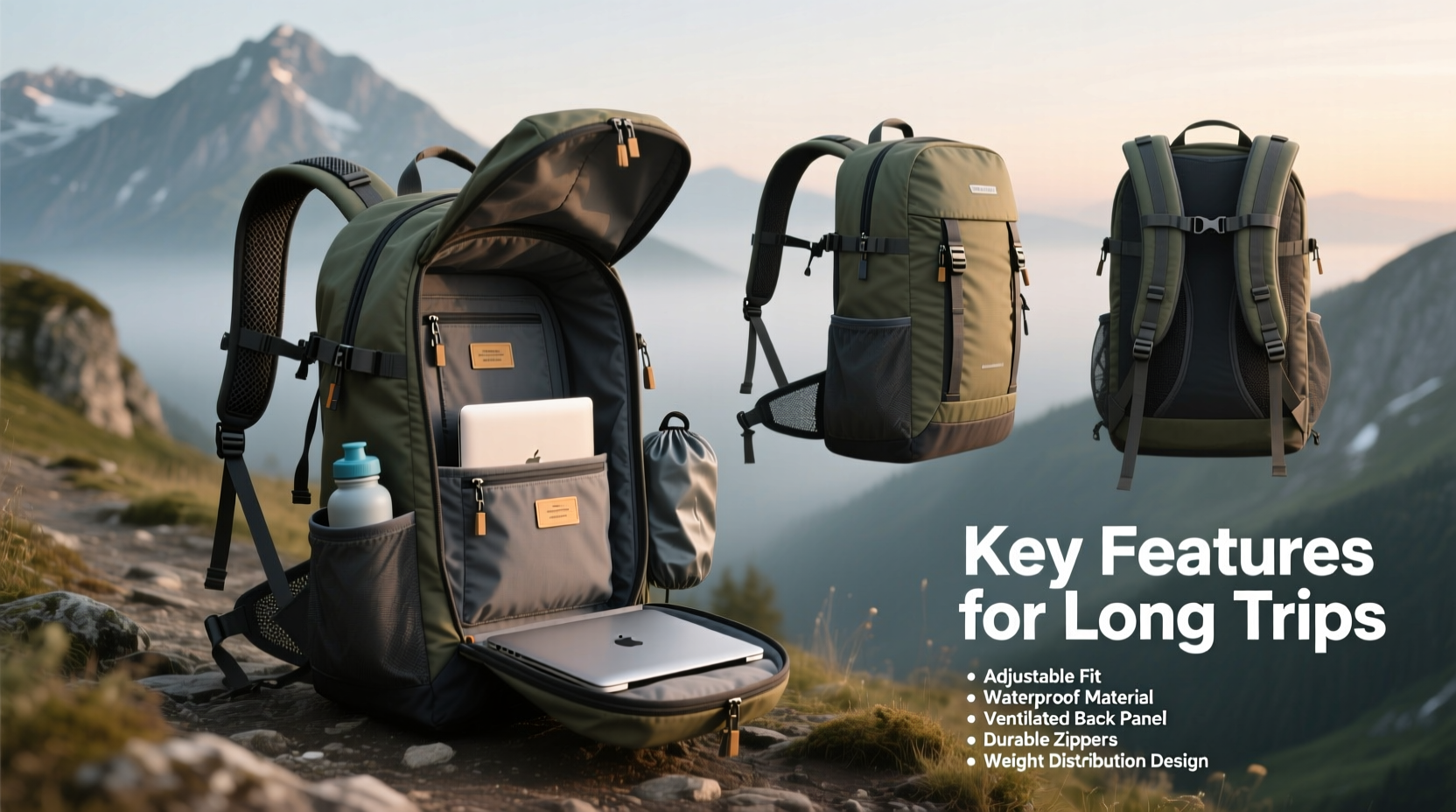
The backbone of any long-trip backpack is its material. Lightweight doesn’t have to mean flimsy—modern fabrics like Cordura nylon, ripstop polyester, and high-denier textiles offer exceptional strength without adding bulk. Denier (D) measures fabric thickness; for long-term durability, aim for 500D or higher in high-stress areas like the base and shoulder straps.
Zippers are another often-overlooked weak point. Standard plastic zippers degrade faster under heavy use and exposure to moisture. Opt for #8 or #10 YKK zippers, which are industry standards for reliability and smooth operation, even when loaded.
Reinforced bottom panels made of abrasion-resistant material protect against wear when setting the pack down on rough terrain. Some premium packs feature TPU-laminated fabrics that resist water penetration without relying solely on external rain covers.
Ergonomic Design and Fit: Comfort That Lasts Miles
No amount of storage capacity compensates for poor fit. An ill-fitting backpack transfers weight improperly, leading to shoulder strain, lower back pain, and reduced endurance. The key lies in a properly adjusted suspension system tailored to your torso length, not your height.
Most quality backpacks come in multiple torso sizes or feature adjustable harness systems. To determine your torso length, measure from the top of your hips (iliac crest) to the base of your neck (C7 vertebra). This measurement determines whether you need a small, medium, or large frame.
A supportive hip belt should carry 80–90% of the pack’s weight. Look for contoured, padded belts with load-lifter straps that connect the top of the pack to your shoulders, helping pull the load closer to your body and reducing sway.
| Feature | Purpose | What to Look For |
|---|---|---|
| Adjustable Suspension | Custom fit for different torso lengths | Sliding sternum strap, movable harness anchors |
| Ventilated Back Panel | Reduces heat buildup | Air-channel mesh or suspended mesh design |
| Load Compression | Stabilizes contents and improves balance | Side and front compression straps |
“Many travelers underestimate how much comfort affects performance. A well-fitted pack lets you hike farther, recover faster, and enjoy the journey.” — Daniel Reyes, Outdoor Gear Specialist and thru-hiker
Storage Capacity and Organization
For trips lasting more than a week, especially those involving variable climates or multi-activity itineraries, storage capacity becomes crucial. Backpacks between 55 and 70 liters typically suit extended travel needs. Smaller packs (under 50L) work for minimalist backpackers, while larger ones (over 70L) may be necessary for expedition-style adventures.
Internal structure matters as much as volume. Look for:
- A full-length main compartment with a U-shaped or clamshell opening for easy access
- Dedicated laptop/tablet sleeves with padding (especially important for digital nomads)
- Front panel organizer pockets for quick-access items like passports, chargers, or snacks
- External attachment points for sleeping bags, trekking poles, or climbing gear
- A removable daypack for side excursions
Some packs integrate modular add-ons via MOLLE webbing or daisy chains, allowing customization based on trip demands. However, avoid excessive external pockets—they can create imbalance and snag on brush or luggage racks.
Weather Resistance and Protection Features
Rain, dust, and humidity are inevitable on long journeys. Even if your pack isn’t fully waterproof, it should offer strong resistance. Many manufacturers apply DWR (durable water repellent) coatings to fabric exteriors, causing water to bead and roll off.
Better yet, look for packs with built-in roll-top closures or dry bag-style designs that seal out moisture. Integrated rain covers stored in a bottom compartment provide immediate protection during sudden downpours.
If you're traveling through humid regions or monsoon seasons, consider a pack liner—a lightweight waterproof sack placed inside the main compartment. It acts as a final barrier against leaks and condensation.
Real-World Example: Choosing the Right Pack for Southeast Asia
Sophie, a freelance photographer planning a four-month journey through Vietnam, Laos, and Cambodia, needed a single backpack that could handle urban transit, jungle treks, and overnight boat trips. She prioritized weather resistance due to frequent tropical storms, quick-access storage for her camera gear, and a comfortable carry for days spent navigating crowded markets.
After testing several models, she chose a 65-liter backpack with a ventilated anti-sway suspension, internal hydration sleeve, and lockable zippers. The pack’s reinforced base survived muddy riverbanks, while the hidden RFID-safe pocket kept her passport secure in busy train stations. Over four months, she logged over 800 miles—and never once adjusted her hip belt for comfort.
Step-by-Step Guide to Selecting Your Long-Trip Backpack
- Assess your trip duration and destination climate – Determine if you need extreme weather protection or minimalism.
- Measure your torso length – Use a measuring tape to get accurate dimensions for proper fit.
- Visit a specialty outdoor retailer – Try on multiple brands with weight simulators to feel load distribution.
- Check weight limits – Ensure the pack is rated for your expected load (typically 30–40 lbs for standard trekking).
- Inspect zippers, seams, and reinforcements – Run hands over stress points and test zipper glide.
- Evaluate ventilation and padding – Sit in a demo chair with the pack on to assess airflow and pressure points.
- Confirm warranty and repair options – Brands like Osprey, Deuter, and Patagonia offer lifetime or long-term guarantees.
Frequently Asked Questions
Can I use a hiking backpack for urban travel?
Yes, but consider trade-offs. Hiking packs offer superior support and durability, but may lack sleek aesthetics or TSA-friendly laptop access. Travel-specific models blend functionality with discretion for city environments.
How do I know if a backpack fits properly?
The hip belt should sit snugly on your iliac crests, not your stomach. Shoulder straps should contour without digging in, and the load should feel centered—not pulling backward or riding high on your shoulders.
Is a frameless backpack suitable for long trips?
Only for very lightweight loads or experienced ultralight backpackers. Internal or external frames maintain shape, improve airflow, and distribute weight far more effectively over extended periods.
Final Checklist Before You Buy
- ✅ Torso size matches your measurement
- ✅ Hip belt carries the majority of the weight
- ✅ Fabric is 500D or higher denier
- ✅ Zippers are metal-reinforced (e.g., YKK)
- ✅ Includes rain cover or water-resistant construction
- ✅ Has dedicated tech compartments and secure pockets
- ✅ Offers manufacturer warranty or repair program
Conclusion: Invest in Performance, Not Just Price
Selecting the right backpack for long trips isn’t about choosing the biggest or cheapest option—it’s about matching durability, comfort, and functionality to your specific journey. A high-quality pack pays for itself in saved energy, protected gear, and uninterrupted exploration. Whether you're crossing deserts, navigating metro systems, or trekking mountain passes, your backpack should move with you, not against you.




 浙公网安备
33010002000092号
浙公网安备
33010002000092号 浙B2-20120091-4
Comments
No comments yet. Why don't you start the discussion?