
Selecting a card holder wallet isn’t just about aesthetics or brand names—it’s about functionality, longevity, and daily reliability. With so many options on the market, from minimalist leather sleeves to high-tech RFID-blocking models, making the right choice requires understanding what truly defines durability. A well-chosen wallet protects your essentials, withstands daily wear, and maintains its appearance over time. This guide breaks down the essential features, materials, design elements, and insider strategies that separate flimsy accessories from lifelong companions.
Material Matters: What Makes a Wallet Last
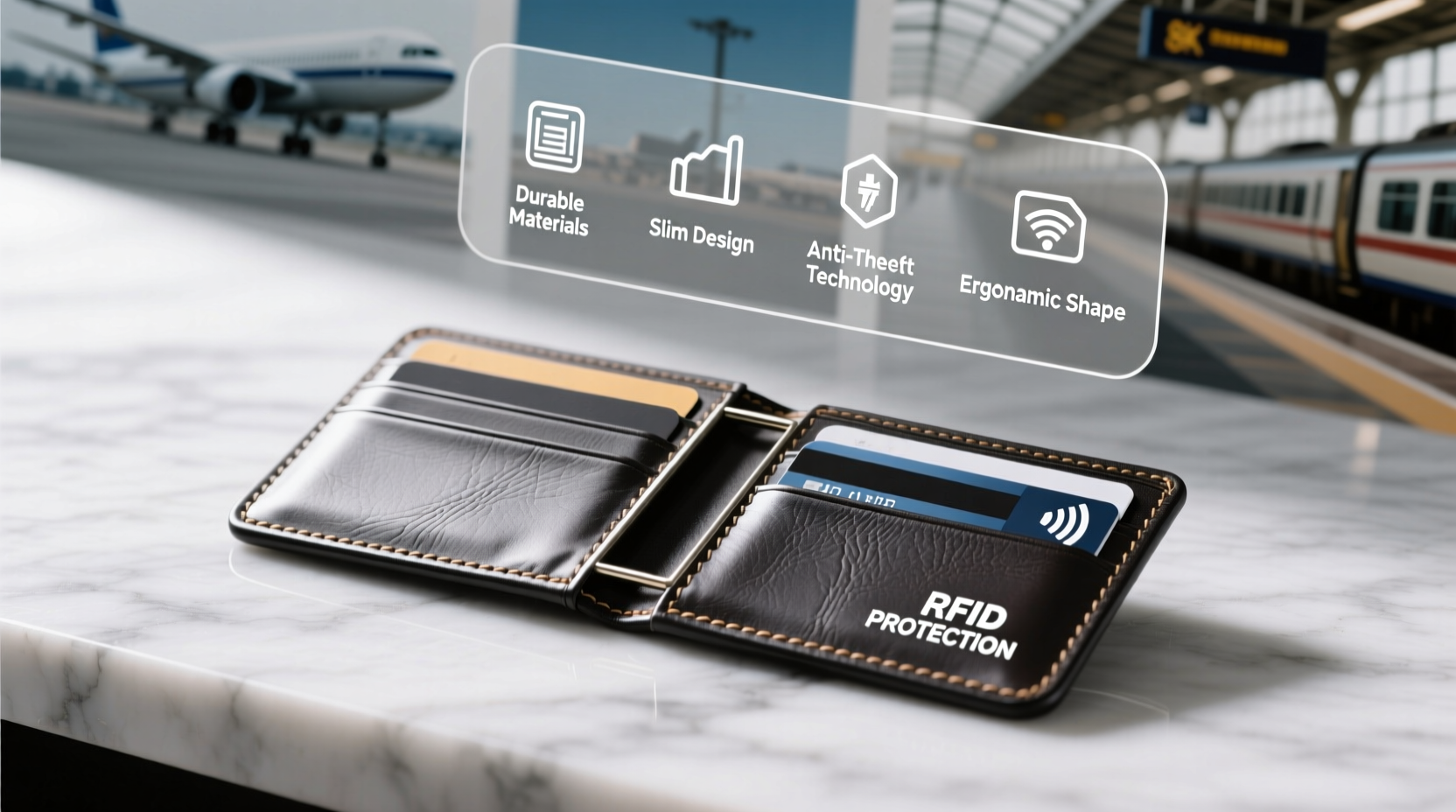
The foundation of any durable wallet lies in its material. While synthetic fabrics and low-grade leathers may seem cost-effective upfront, they often degrade quickly under friction, moisture, and constant handling. Premium materials not only age gracefully but also develop character over time.
- Full-grain leather: The most durable type of leather, known for its natural grain and resistance to wear. It develops a rich patina instead of cracking or peeling.
- Top-grain leather: Slightly thinner and more processed than full-grain, offering good durability at a lower price point—but less resilience over decades.
- Waxed canvas: Water-resistant and abrasion-tough, ideal for outdoor or urban lifestyles. Often paired with leather trim for added structure.
- Titanium or aluminum: Used in metal wallets, these materials resist corrosion, bending, and crushing—perfect for those who carry heavy loads in tight pockets.
- Recycled polymers (e.g., Dyneema): Ultra-lightweight and nearly indestructible, used in high-end technical wallets. Resistant to tearing and moisture.
Design Features That Enhance Durability
Beyond material, the construction and design significantly impact a wallet’s lifespan. A beautifully crafted piece can still fail if poorly engineered. Look for these structural indicators of quality:
- Stitching technique: Double or saddle stitching is superior to single stitching. If one thread breaks, the second keeps the seam intact.
- Edge finishing: Burnished or painted edges prevent fraying and absorb less moisture than raw-cut edges.
- Card retention: Well-designed slots should hold cards securely without excessive stretching or sagging over time.
- Minimalist profile: Fewer seams and layers mean fewer weak points. Overly complex designs increase the risk of early failure.
- Rounded corners: Reduce stress concentration and resist cracking compared to sharp corners.
| Feature | Do | Avoid |
|---|---|---|
| Leather Type | Full-grain or vegetable-tanned | Bonded or genuine leather |
| Stitching | Saddle or double-stitched | Glued seams or single stitching |
| Water Resistance | Natural wax finish or treated canvas | Unsealed fabric or porous leather |
| Size | Fits 4–6 cards comfortably | Overstuffed or bulk-breaking design |
Insider Tips from Industry Professionals
Durability isn’t just about build—it’s also about how you use and maintain your wallet. Experts emphasize that user habits play a major role in extending product life.
“Most wallets don’t fail because of poor materials—they fail because of poor usage. Sitting on your wallet compresses fibers, warps shape, and accelerates wear.” — Marcus Lin, Accessory Designer at Urban Gear Co.
Another overlooked factor is environmental exposure. Humidity, direct sunlight, and temperature fluctuations degrade organic materials faster than expected. Storing your wallet in a drawer overnight instead of a back pocket can dramatically extend its life.
Real Example: The Five-Year Commuter Wallet
Take James, a software engineer in Chicago who commutes daily via subway. He purchased a slim full-grain leather card holder five years ago. Despite being carried through rain, snow, and packed train rides, it remains functional and attractive. His secret? He applied a light leather conditioner twice a year, avoided overloading it (never more than five cards), and stored it upright in his desk drawer at work. In contrast, his colleague’s cheaper wallet—used similarly but made with bonded leather—began peeling after eight months.
This case illustrates that durability is a combination of smart selection and consistent care.
Step-by-Step Guide to Choosing Your Ideal Wallet
Follow this logical sequence to ensure you select a wallet built to last:
- Assess your needs: How many cards do you carry daily? Do you need cash space? Will you use it internationally?
- Choose your material: Prioritize full-grain leather, titanium, or high-performance synthetics based on lifestyle.
- Evaluate construction: Check for reinforced stitching, clean edges, and secure closures (if applicable).
- Test ergonomics: If possible, handle the wallet. Does it fit comfortably in your front pocket? Is access smooth?
- Research the brand: Look for companies with repair programs, lifetime warranties, or transparent sourcing.
- Maintain proactively: Once purchased, condition leather every 3–6 months and avoid prolonged moisture exposure.
“A great wallet should disappear in your pocket but perform flawlessly when needed.” — Sofia Reyes, Product Curator at Minimalist Goods
Frequently Asked Questions
Are metal wallets more durable than leather ones?
Metal wallets excel in resisting physical damage like crushing or tearing, especially useful for active users. However, they can scratch, corrode if untreated, and may interfere with RFID signals or phone pairing. Leather offers better flexibility and aging beauty but requires more maintenance. The best choice depends on your environment and usage patterns.
How can I tell if a wallet is truly high-quality?
Inspect the edges, stitching, and weight distribution. High-quality wallets feel balanced, not lopsided. Stitching should be even and tight, with no loose threads. Edges should be smooth and sealed. When buying online, read return policies—reputable brands stand behind their craftsmanship.
Does RFID protection really matter?
For most users, RFID skimming is a low-risk threat. However, if you travel frequently or carry sensitive credentials (like government IDs or corporate access cards), an RFID-blocking layer adds peace of mind. Just ensure the shielding doesn’t compromise durability—some foil linings degrade and crack inside leather over time.
Final Checklist Before You Buy
- ✅ Made from full-grain leather, titanium, or reinforced technical fabric
- ✅ Double-stitched or riveted stress points
- ✅ Smooth, burnished edges
- ✅ Holds your typical number of cards without bulging
- ✅ Fits comfortably in your preferred pocket (front recommended)
- ✅ Backed by a warranty or repair service
- ✅ Free of unnecessary branding or decorative elements that weaken structure
Make a Choice That Lasts
Your wallet is one of the few personal items you interact with daily, often for years. Investing in a durable model pays off in both performance and value. By focusing on proven materials, thoughtful design, and mindful usage, you’ll avoid the cycle of frequent replacements and enjoy a refined, reliable accessory. Whether you prefer the warmth of aged leather or the precision of aerospace-grade metal, the principles of durability remain the same: quality over convenience, function over fashion, and care over neglect.




 浙公网安备
33010002000092号
浙公网安备
33010002000092号 浙B2-20120091-4
Comments
No comments yet. Why don't you start the discussion?