
Selecting the right ceramic dinnerware isn’t just about aesthetics or matching your table decor—it’s about durability, safety, and long-term value. With daily use, chips, cracks, and fading can quickly degrade even the most beautiful sets. The key is understanding what makes a ceramic set truly resilient over time. This guide breaks down the essential factors—from material composition and glaze quality to shape design and manufacturer reputation—so you can invest in dinnerware that withstands years of meals without compromise.
Understanding Ceramic Types: Not All Are Created Equal
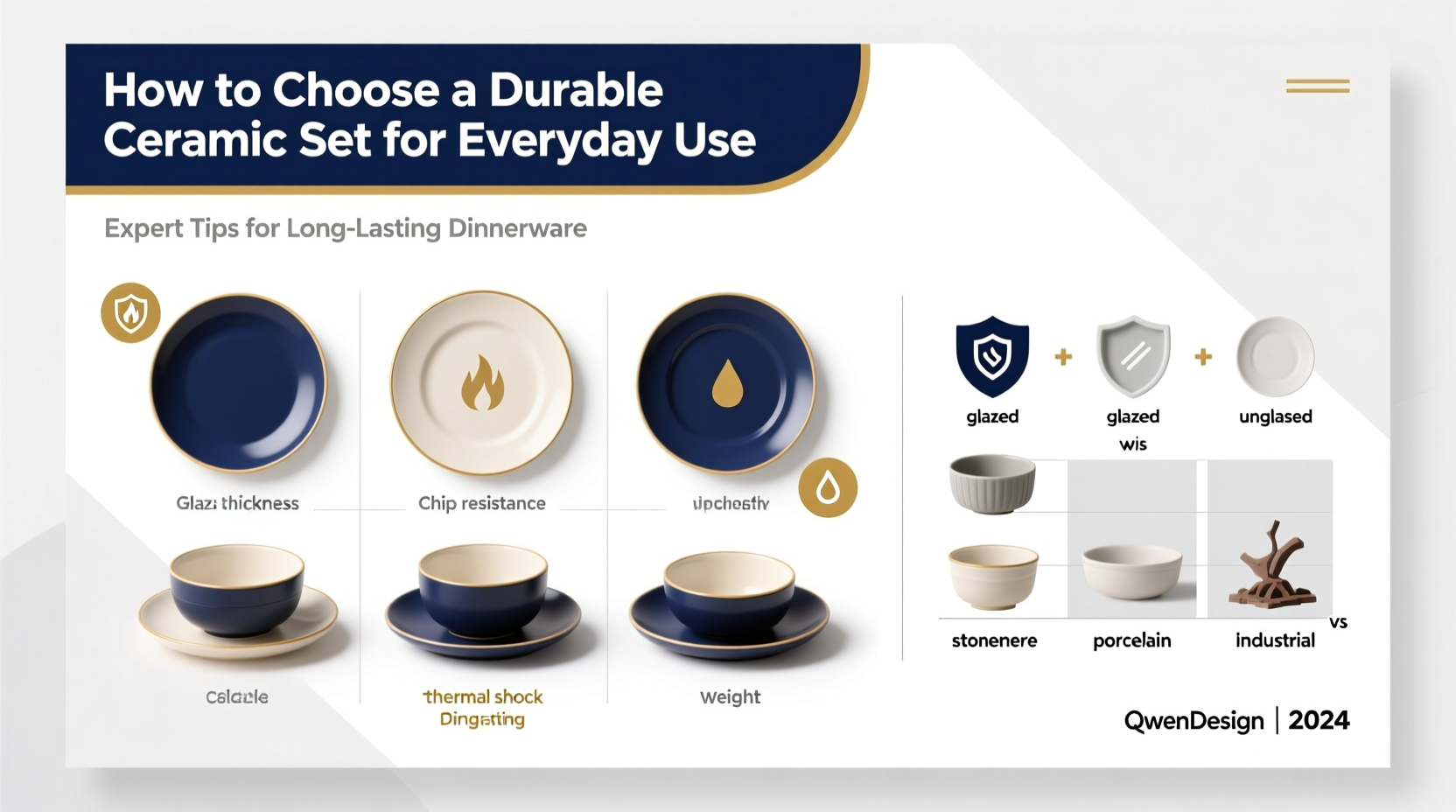
Ceramic dinnerware comes in several forms, each with distinct characteristics affecting strength, weight, and heat resistance. Knowing the differences helps narrow your options based on lifestyle needs.
- Earthenware: Made from porous clay fired at low temperatures (around 1,000–1,150°C), it's often colorful and decorative but less durable. It tends to chip easily and is not always oven-safe unless glazed properly.
- Stoneware: Fired at higher temperatures (1,200–1,300°C), stoneware is denser, non-porous, and highly resistant to chipping and thermal shock. It's ideal for everyday use and commonly dishwasher and microwave safe.
- Porcelain: Crafted from fine kaolin clay and fired above 1,300°C, porcelain is strong, smooth, and elegant. High-quality porcelain is surprisingly tough and suitable for both casual and formal dining.
- Bone China: Contains bone ash (usually 30–45%), making it lightweight yet exceptionally strong. It has superior translucency and resilience, often outperforming other ceramics under stress.
Key Features of Long-Lasting Ceramic Sets
Durability doesn’t happen by accident. Look for these technical and design elements when shopping:
- Firing Temperature: Higher firing increases hardness and reduces porosity, minimizing water absorption and cracking risk.
- Glaze Quality: A fully vitrified (glass-like) glaze prevents staining, resists scratches, and ensures food safety. Avoid sets with rough or inconsistent glazing.
- Rim Reinforcement: Thicker edges or rolled rims resist chipping during stacking and washing.
- Weight & Balance: Heavier pieces often indicate denser construction, but overly heavy dishes may be cumbersome. Aim for balanced heft.
- Thermal Shock Resistance: Can the piece go from freezer to oven without cracking? Check manufacturer specifications.
“Dinnerware used daily should be tested not just for beauty, but for resilience. We see far more failures due to poor glaze than weak clay.” — Dr. Lena Patel, Materials Scientist, Ceramics Research Institute
Comparing Durability Across Ceramic Types
| Ceramic Type | Chip Resistance | Oven Safe | Dishwasher Safe | Best For |
|---|---|---|---|---|
| Earthenware | Low | Sometimes | Limited | Decorative or occasional use |
| Stoneware | High | Yes (up to 500°F) | Yes | Everyday family meals |
| Porcelain | Very High | Yes (check brand) | Yes | Mixed-use: daily and formal |
| Bone China | Exceptional | Mostly Yes | Yes | Households wanting elegance + strength |
Step-by-Step Guide to Choosing Your Set
Follow this sequence to ensure you select a ceramic set built to last:
- Assess Your Usage Pattern: Do you eat at home daily? Host often? Have kids? High-frequency use demands maximum durability.
- Decide on Material: Choose stoneware or bone china for longevity. Porcelain works well if high-fired and well-glazed.
- Check Manufacturer Reputation: Brands like Corelle (laminated), Fiesta (steel-reinforced stoneware), and Wedgwood (premium bone china) have proven track records.
- Inspect Edges and Glaze: Run your finger along the rim. Smooth, even glaze without pinholes or thin spots indicates quality control.
- Test Stackability: Plates should nest securely without excessive wobble, reducing edge contact and wear over time.
- Verify Care Instructions: Ensure compatibility with dishwasher and microwave. Some artisanal glazes contain metals that spark or degrade.
- Read User Reviews: Look for recurring mentions of chipping, fading, or cracking after months of use—not just initial impressions.
Real Example: The Johnson Family’s Switch to Bone China
The Johnsons replaced their chipped earthenware set every two years, frustrated by stains and broken bowls. After researching materials, they invested in a mid-range bone china set from a reputable brand. Despite daily use, including weekly family dinners with three young children, the set remained intact after four years. “We drop things regularly,” says Sarah Johnson, “but only one cup broke—and it was from being left on the counter edge overnight.” The switch reduced replacement costs and waste, proving that upfront investment pays off in performance and sustainability.
Common Mistakes That Shorten Dinnerware Life
Even the best ceramic sets fail prematurely when mishandled. Avoid these pitfalls:
- Stacking Wet Dishes: Trapped moisture causes limescale buildup and promotes bacterial growth beneath glaze micro-cracks.
- Using Abrasive Cleaners: Steel wool or gritty pastes scratch glaze, creating stain traps and weakening surface integrity.
- Overloading Dishwashers: Plates banging together during cycles lead to edge chipping over time.
- Extreme Temperature Swings: Never place a cold ceramic dish directly into a hot oven. Allow gradual warming to prevent thermal shock.
- Poor Storage: Stacking without protectors (like felt rings) causes micro-abrasions that accumulate into visible wear.
Essential Checklist Before Buying
Use this checklist to evaluate any ceramic dinnerware set before purchase:
- ☑ Made from stoneware, porcelain, or bone china (not earthenware)
- ☑ Fully vitrified glaze (non-porous, smooth finish)
- ☑ Oven, microwave, and dishwasher safe (verify temperature limits)
- ☑ Reinforced rims or rounded edges for chip resistance
- ☑ Positive long-term user reviews focusing on durability
- ☑ Brand offers warranty or replacement program for defects
- ☑ Plates stack neatly with minimal overhang
Frequently Asked Questions
Can ceramic dinnerware be repaired if chipped?
Minor chips can sometimes be sealed with food-safe epoxy, but structural integrity is compromised. Deep chips near edges pose hygiene risks and should prompt replacement. Prevention through proper handling is far more effective than repair.
Is heavier ceramic always better?
Not necessarily. While density often correlates with durability, excessive weight can make dishes uncomfortable to handle and increase breakage risk when dropped. Seek a balance—solid feel without fatigue during use.
How long should a good ceramic set last?
A high-quality stoneware or bone china set used daily should last 7–10 years or longer with proper care. Many users report 15+ years of service from premium brands when stored and cleaned correctly.
Final Thoughts: Invest in Resilience, Not Just Style
Choosing durable ceramic dinnerware means looking beyond color and pattern. Prioritize material science, manufacturing standards, and real-world usability. The best sets combine strength with functionality, surviving years of meals, washes, and occasional drops. By applying the criteria outlined here—material type, glaze quality, design features, and care habits—you’ll build a collection that serves your household reliably and elegantly.




 浙公网安备
33010002000092号
浙公网安备
33010002000092号 浙B2-20120091-4
Comments
No comments yet. Why don't you start the discussion?