
Selecting the right crossbody bag isn’t just about style—it’s about long-term functionality, comfort, and resilience. With daily wear comes exposure to weather, friction, weight stress, and frequent handling. A poorly constructed bag may fray, sag, or break within months. On the other hand, a well-chosen durable crossbody can last years, maintaining its structure and appearance while supporting your lifestyle. Understanding what makes a bag truly durable empowers you to invest wisely in a piece that serves both form and function.
Material Matters: What Makes a Bag Last
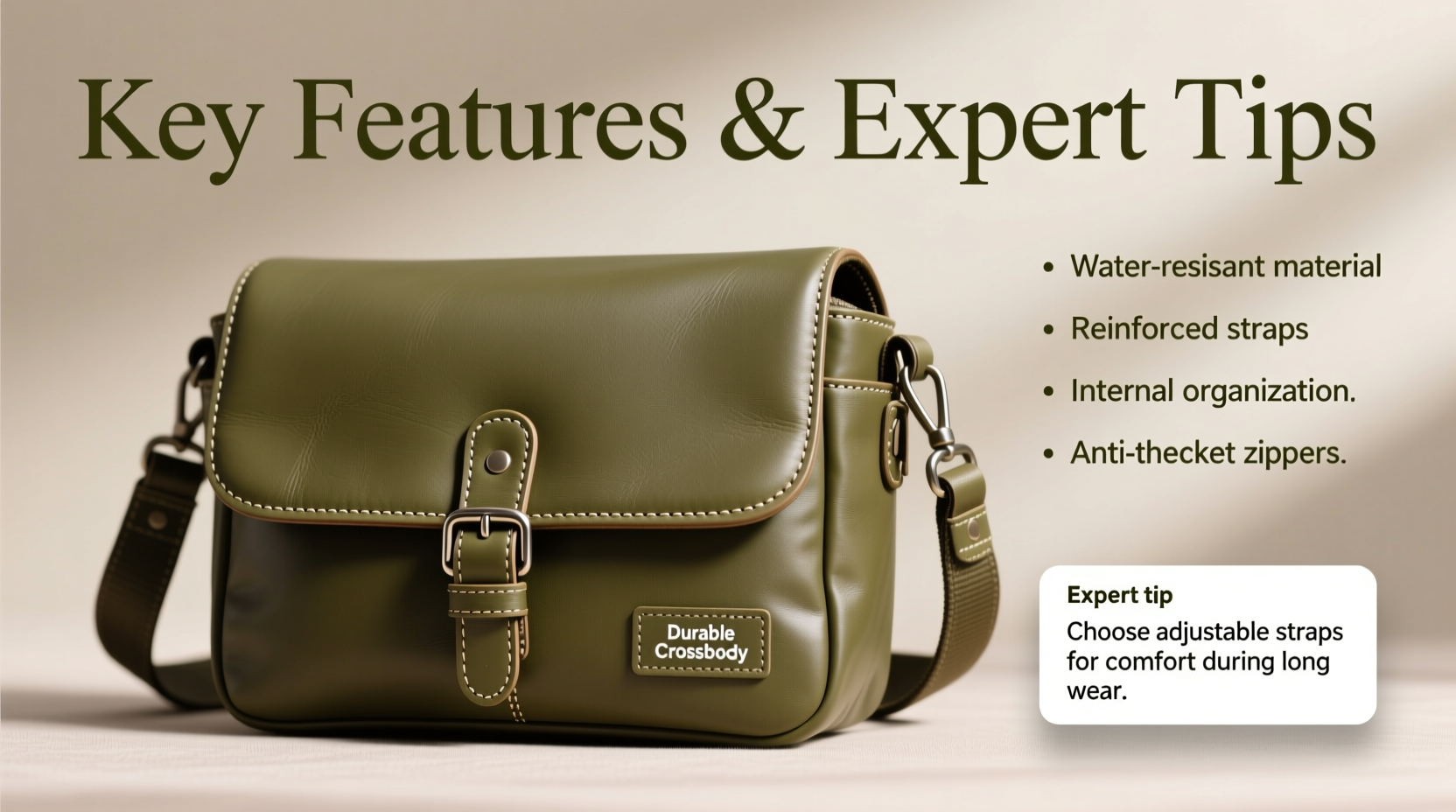
The foundation of durability lies in the material. Not all fabrics or leathers are created equal. High-quality materials resist abrasion, water damage, and fading—common issues from urban commuting, travel, or outdoor activities.
- Full-grain leather: The most durable type of leather, known for developing a rich patina over time instead of deteriorating. It resists moisture better than lower-grade leathers and strengthens with age.
- Cordura nylon or ballistic nylon: Originally developed for military gear, these synthetic fabrics offer exceptional tear resistance and lightweight strength. Ideal for active users or those in rainy climates.
- Waxed canvas: Offers natural water resistance and develops character with use. Brands like Filson and Sandqvist use this material for rugged appeal.
- Recycled polyester (e.g., RPET): When tightly woven and coated, eco-friendly synthetics can be surprisingly resilient, especially in modern sustainable brands.
Avoid ultra-thin faux leather, flimsy cotton canvas, or mesh panels unless they’re reinforced. These tend to crack, stretch, or tear under regular load.
Construction Quality: Stitching, Hardware, and Reinforcements
Beyond material, how a bag is built determines its lifespan. Even premium fabrics fail if stitching is weak or hardware is cheap.
Look for double or triple stitching along high-stress areas like straps, corners, and closures. Lockstitch or saddle stitching (common in high-end leather goods) prevents unraveling even if one thread breaks.
Zippers should be from reputable manufacturers like YKK. Test them before buying—smooth operation without catching indicates quality alignment and durable teeth. Avoid plastic zippers on heavy-use bags; metal zippers withstand more strain.
Reinforced strap attachments are critical. Metal rivets or bar tacks at connection points prevent tearing from constant weight pull. Similarly, bottom panels should be rigid or padded to resist wear when placed on rough surfaces.
“Stitching and hardware often fail before the main fabric. Always inspect stress points—they tell you more than the brand label.” — Marcus Lin, Product Designer at Urban Carry Co.
Key Features for Everyday Practicality and Longevity
Durability isn’t only about surviving wear—it’s also about supporting real-life use without compromising integrity. The best crossbody bags combine toughness with thoughtful design.
| Feature | Why It Matters | What to Look For |
|---|---|---|
| Adjustable Strap | Ensures proper fit and reduces strain on shoulders | Padded options, multiple length settings, quick-release buckles |
| Water-Resistant Coating | Protects contents and material from rain and spills | DWR finish on nylon, waxed surface on canvas, sealed seams |
| Secure Closure | Prevents theft and loss of items | Magnetic snaps, locking zippers, RFID-blocking pockets |
| Internal Organization | Reduces clutter and protects devices | Zippered compartments, padded phone/tablet sleeves, key leash |
| Weight Distribution | Improves comfort during extended wear | Ergonomic shape, balanced center of gravity, wide strap |
A bag that forces you to overstuff it or constantly shift position will degrade faster due to uneven stress. Choose a size that fits essentials without bulging—typically 10–14 inches tall with a depth under 5 inches.
Real-World Example: How One Commuter Upgraded Her Daily Bag
Sophie, a graphic designer in Seattle, used a stylish but flimsy vegan leather crossbody for her daily commute. After six months, the shoulder strap detached, the lining tore, and the base scuffed beyond repair. Rainy weather accelerated the damage.
She switched to a waxed canvas model with YKK zippers and brass hardware. Though slightly heavier, the new bag featured a padded laptop sleeve, reflective trim for night visibility, and a hidden anti-theft pocket. Two years later, it still performs flawlessly—only showing subtle wear that adds character.
Her experience highlights a crucial point: durability pays off not just in cost-per-use, but in reliability and peace of mind.
Step-by-Step Guide: Choosing Your Ideal Durable Crossbody
Follow this process to make a confident, informed decision:
- Assess your daily needs: List what you carry—phone, wallet, keys, notebook, umbrella? This determines required size and compartment layout.
- Set a realistic budget: Durable bags typically range from $120–$300. Investing more upfront often means longer life and better craftsmanship.
- Research materials: Prioritize full-grain leather, ballistic nylon, or waxed canvas based on climate and usage.
- Inspect construction details: Check product images or visit stores to examine stitching, zipper quality, and strap attachments.
- Try it on: Wear the bag loaded with similar weight to your daily items. Walk around to test balance, strap comfort, and ease of access.
- Read verified reviews: Focus on long-term user feedback mentioning durability after 6+ months of use.
- Check warranty or repair policy: Brands like Bellroy, Chrome Industries, and Fjällräven offer repairs or replacements, signaling confidence in their build.
Frequently Asked Questions
Can a lightweight bag still be durable?
Yes. Materials like Cordura nylon or Dyneema offer exceptional strength-to-weight ratios. These are used in expedition gear and can outlast heavier, poorly made leather bags.
How do I maintain my crossbody bag to extend its life?
Clean regularly with appropriate products—leather conditioner for hides, mild soap for synthetics. Store in a dust bag away from sunlight. Empty and air out weekly to prevent odor and mildew.
Are expensive brands always more durable?
Not necessarily. While some luxury brands use premium materials, others prioritize branding over function. Independent makers and outdoor-focused companies often deliver superior durability at lower prices due to simpler designs and direct-to-consumer models.
Final Checklist Before You Buy
- ✅ Material is abrasion-resistant and weather-appropriate
- ✅ Stitching is tight and reinforced at stress points
- ✅ Zippers and clasps are metal or high-grade polymer (e.g., YKK)
- ✅ Straps are adjustable, padded (if needed), and securely attached
- ✅ Bag has organized interiors and secure closures
- ✅ Weight feels balanced when worn with typical contents
- ✅ Brand offers warranty, repair service, or strong customer support
Make a Smart, Lasting Choice
A durable crossbody bag is more than an accessory—it's a daily companion that protects your essentials, supports your movement, and reflects your standards. By focusing on material integrity, construction quality, and practical design, you avoid the cycle of replacing cheap bags every year. Instead, you own fewer, better things that serve you reliably. Whether you're navigating city streets, traveling locally, or simply running errands, the right crossbody enhances your routine without compromise.




 浙公网安备
33010002000092号
浙公网安备
33010002000092号 浙B2-20120091-4
Comments
No comments yet. Why don't you start the discussion?