
In an age where smartphones are both essential tools and personal statements, protecting your device without sacrificing style is more important than ever. The advent of In-Mold Decoration (IMD) technology has revolutionized phone case design, blending durability with vibrant aesthetics. Unlike traditional printed cases that fade or peel, IMD cases embed the design within multiple layers of polycarbonate, ensuring long-term resilience and visual appeal. But not all IMD cases are created equal. Choosing one that truly protects your phone while turning heads requires understanding materials, construction, and performance benchmarks.
Understanding IMD Technology: What Makes It Different?
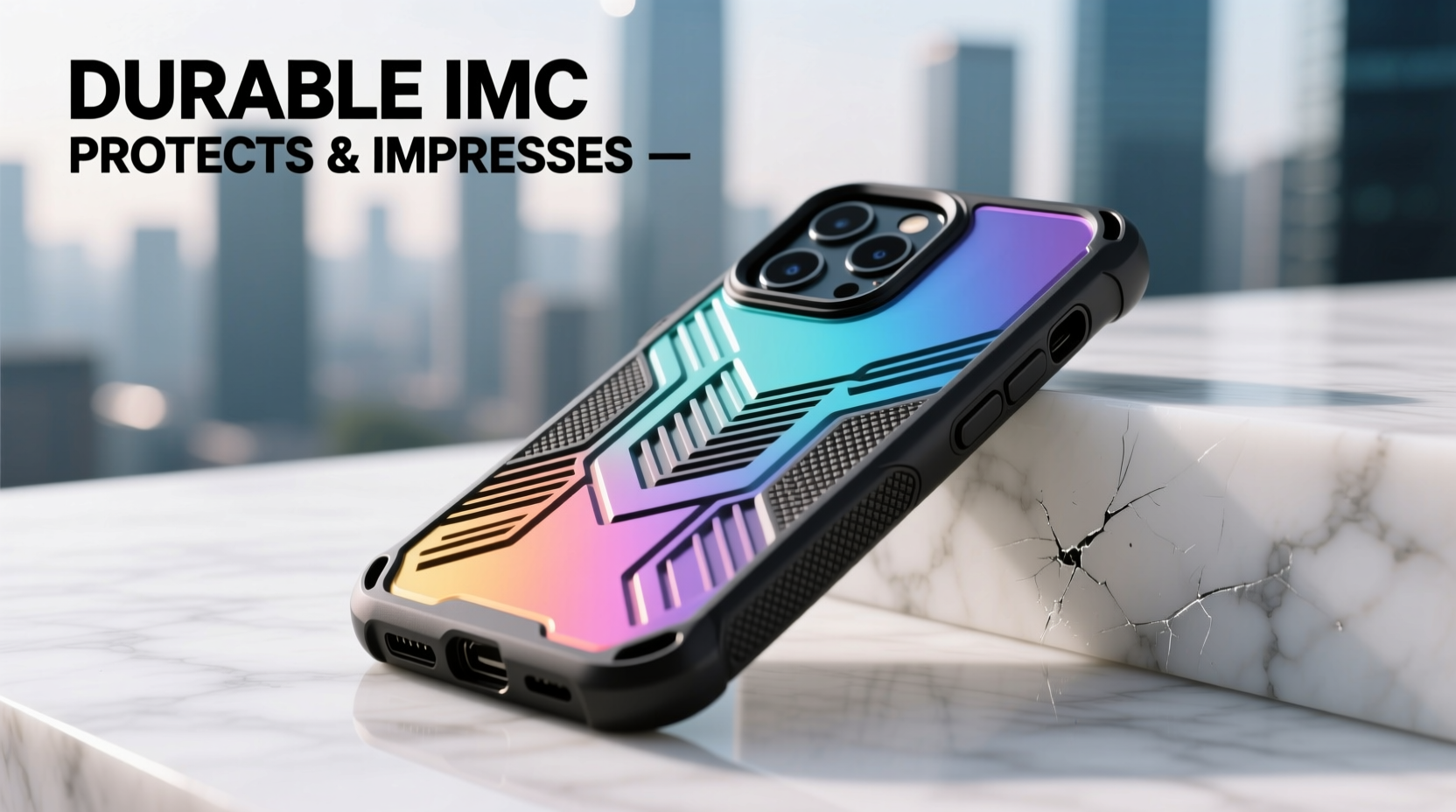
In-Mold Decoration (IMD) is a manufacturing process where a decorative film—often printed with intricate patterns, colors, or textures—is placed inside a mold before molten plastic is injected around it. This embeds the design permanently into the outer shell, eliminating the risk of surface scratches compromising the artwork. The result is a seamless, scratch-resistant finish that maintains its look even after months of daily use.
Compared to basic TPU (thermoplastic polyurethane) cases with surface printing, IMD cases offer superior longevity. While standard cases may begin to show wear at edges and corners within weeks, IMD designs remain intact because they aren’t applied on top—they’re integrated from the start.
“IMD isn’t just about looks—it’s structural integrity combined with aesthetic permanence. When done right, it creates a case that performs as well as it presents.” — Daniel Reyes, Product Engineer at Mobile Armor Labs
Key Features of a High-Quality IMD Phone Case
Selecting a durable IMD case goes beyond picking a flashy pattern. You need to evaluate several core features that contribute to both protection and user satisfaction.
Material Composition and Layering
The best IMD cases use a multi-layer approach:
- Outer Polycarbonate Shell: Hard, impact-resistant layer formed via IMD process for scratch-proof graphics.
- Inner TPU Bumper: Flexible silicone-like material that absorbs shock during drops.
- Microfiber Lining: Soft interior coating to prevent screen and back scratches.
This hybrid structure combines rigidity and flexibility—critical for passing military-grade drop tests (MIL-STD-810G).
Drop Protection and Structural Design
Look for raised bezels around the screen and camera module. These small elevations ensure that when you lay your phone face-down, the glass doesn’t make direct contact with surfaces. Similarly, reinforced corners act as crumple zones, dispersing impact energy away from the device.
Precision Fit and Functional Access
A poorly fitted case can compromise protection and usability. Premium IMD cases are designed using exact phone model specifications, ensuring perfect alignment with buttons, ports, and sensors. Check that:
- Volume and power buttons have responsive, tactile feedback.
- Camera cutouts are precisely sized—not too tight, not too wide.
- Speakers and microphones remain unobstructed.
Comparing Top IMD Case Types: What’s Best for Your Needs?
| Type | Durability | Style Options | Best For | Limitations |
|---|---|---|---|---|
| Hybrid IMD/TPU | ★★★★★ | ★★★★☆ | Daily drivers, active users | Slightly bulkier than slim models |
| Slim IMD Polycarbonate | ★★★☆☆ | ★★★★★ | Fashion-focused users | Limited drop protection |
| Textured IMD (Matte/Grip) | ★★★★☆ | ★★★★☆ | Outdoor use, frequent travelers | Fingerprint resistance varies |
| Clear IMD with Printed Back | ★★★☆☆ | ★★★★★ | Showcasing phone color + design | May yellow over time in sunlight |
Step-by-Step Guide to Choosing Your Ideal IMD Case
- Identify Your Usage Pattern: Are you prone to dropping your phone? Do you carry it in pockets with keys? This determines whether you need maximum protection or can prioritize slimness.
- Verify Compatibility: Confirm the case is made specifically for your phone model and year. Even minor dimensional differences between iPhone 14 and 15 can affect fit.
- Check Independent Drop Test Results: Look for brands that publish third-party lab reports showing performance from 4–6 feet onto concrete.
- Evaluate Aesthetic Longevity: Avoid cases with glossy finishes if you dislike fingerprints. Matte or textured IMD surfaces resist smudges better.
- Read Real User Reviews: Focus on feedback mentioning long-term wear—do designs stay sharp after three months? Are edges peeling?
- Assess Brand Reputation: Established brands like Spigen, UAG, and Ringke often invest more in material quality and engineering validation.
Real-World Example: One User’s Experience With IMD Durability
When Sarah, a field photographer based in Colorado, switched to an IMD case for her Samsung Galaxy S23 Ultra, she was skeptical. Previous cases had cracked or faded after rugged hikes and sudden drops on rocky terrain. She chose a hybrid IMD/TPU model with military certification. Over eight months of regular outdoor use—including two significant falls from waist height onto gravel—the case showed no cracks, and the mountain-themed design remained vivid. Most surprisingly, the microfiber lining kept her screen free of micro-scratches despite being stored alongside lenses and tools.
“I expected to replace it by now,” she said. “But it still looks and works like day one. That’s rare in gear this affordable.”
Common Mistakes to Avoid When Buying an IMD Case
- Assuming All ‘Hard Cases’ Are Equal: Some budget options use thin polycarbonate without internal cushioning, offering minimal shock absorption.
- Ignoring Weight Distribution: Heavy-duty cases can make phones harder to handle; balance protection with ergonomics.
- Overlooking Wireless Charging Compatibility: Thick or metal-reinforced cases may interfere with charging efficiency.
- Trusting Marketing Hype Without Evidence: Claims like “extreme protection” mean little without test data or certifications.
FAQ: Your IMD Case Questions Answered
Do IMD cases yellow over time?
High-quality IMD polycarbonate resists UV degradation and yellowing far better than standard TPU. However, clear variants—even with IMD—are more susceptible if exposed to prolonged sunlight. Opt for tinted or opaque backs if longevity in sunny environments is a concern.
Can I customize my own IMD design?
Yes—many manufacturers offer custom IMD services. Because the print is embedded during molding, personalized photos or logos maintain clarity and durability. Just ensure the image resolution is high (300 DPI minimum) to avoid pixelation.
Are IMD cases good for gaming phones?
Absolutely. Gaming phones generate heat and endure extended handling. IMD cases with vented sides or heat-dissipating coatings help manage temperature, while textured grips improve control during marathon sessions.
Final Checklist Before You Buy
- ✅ Confirmed compatibility with your exact phone model
- Double-check model number and release year.
- ✅ MIL-STD-810G or equivalent drop test certification
- Ensures tested performance under real-world conditions.
- ✅ Raised edges for screen and camera protection
- Prevents direct surface contact when placed down.
- ✅ Responsive button covers and full port access
- No muffled sound or awkward presses.
- ✅ Positive long-term user reviews focusing on durability
- Look for mentions of 3+ month usage without fading or cracking.
Conclusion: Make Protection a Statement
Choosing a durable IMD phone case isn’t just about safeguarding your investment—it’s about expressing your personality without compromise. With the right blend of engineering and artistry, these cases deliver resilience that lasts and style that stands out. By focusing on material quality, structural integrity, and verified performance, you can find a case that survives daily abuse while continuing to impress every time you pull it from your pocket.




 浙公网安备
33010002000092号
浙公网安备
33010002000092号 浙B2-20120091-4
Comments
No comments yet. Why don't you start the discussion?