
A plush rabbit keychain is more than just a functional accessory—it’s a tiny expression of personality, comfort, and charm. Whether clipped to a bag, keys, or backpack, these soft companions bring a smile every time they’re seen. But not all plush keychains are built the same. Many lose their shape, shed fibers, or fall apart after just a few weeks of use. Choosing one that remains both adorable and durable requires attention to detail, material quality, and construction techniques.
With thoughtful selection, you can find a plush rabbit keychain that withstands daily wear while keeping its cuddly appeal. This guide breaks down exactly what to look for—from fabric type to stitching strength—and shares real-world insights to help you make a lasting choice.
Understand What Makes a Plush Keychain Durable
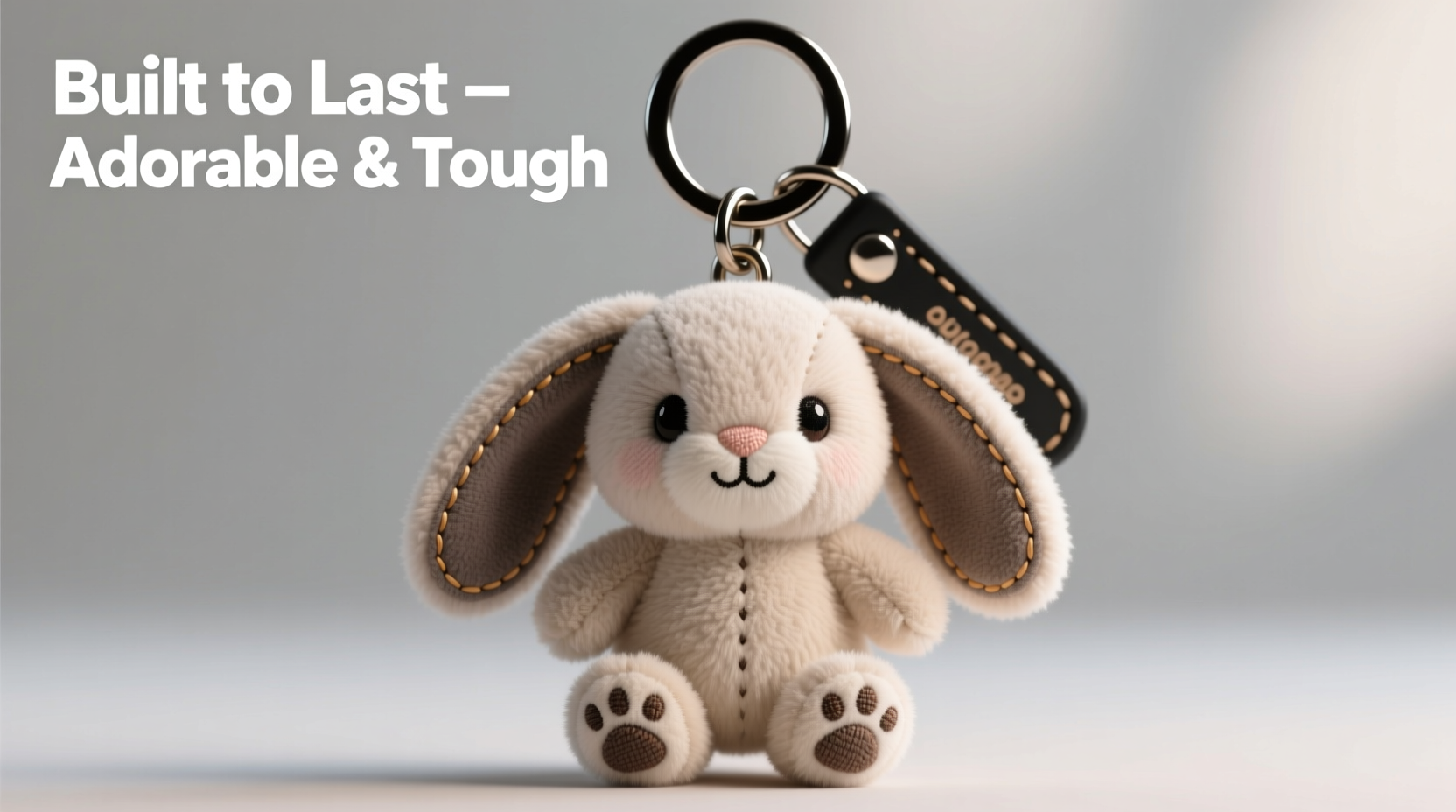
Durability in a plush keychain isn’t just about being “well-made.” It involves multiple factors: the resilience of the fabric, the integrity of seams, the quality of stuffing, and the strength of hardware like the keyring and attachment loop.
Low-quality plush toys often use thin polyester fleece that pills quickly or synthetic fur that mats with minimal handling. Poor stitching leads to ripped seams, especially around high-stress areas like ears or limbs. Inferior stuffing flattens over time, leaving your once-plump rabbit looking deflated.
On the other hand, durable plush keychains use tightly woven fabrics, double-stitched seams, securely attached components, and high-elasticity stuffing that retains shape. The metal hardware should be corrosion-resistant—typically made from zinc alloy or stainless steel—to prevent rusting or snapping.
Material Quality: The Foundation of Longevity
The fabric used in a plush rabbit keychain determines not only its softness but also how well it resists pilling, fading, and tearing. Here are the most common materials and their performance characteristics:
| Material | Durability | Softness | Care Notes |
|---|---|---|---|
| Minky/Cuddle Fabric | High | Very Soft | Resists pilling; machine washable at low heat |
| Polyester Fleece | Medium | Soft | Prone to pilling; avoid abrasive surfaces |
| Synthetic Fur (Long-Pile) | Low-Medium | Fluffy/Adorable | Requires brushing; mats easily with friction |
| Cotton Velour | High | Smooth & Luxurious | Durable weave; resists wear better than fleece |
For long-term use, prioritize minky, velour, or high-density polyester blends. These fabrics maintain their texture even after months of handling. Avoid ultra-long pile fur unless you're willing to commit to regular grooming.
“Plush durability starts with fabric density. A higher thread count and tighter knit mean less fraying and longer life.” — Lena Park, Textile Designer & Toy Manufacturer
Construction Details That Matter Most
Beyond fabric, the way a plush rabbit is assembled plays a critical role in its lifespan. Hand-sewn or factory-stitched, the craftsmanship should reflect consistency and reinforcement.
Look for these construction hallmarks:
- Double-stitched seams: Especially along legs, ears, and body joints. Single stitching unravels faster under stress.
- Secure embroidery or safety eyes: Buttons or glued-on eyes often pop off. Embroidered eyes are safest for longevity and child safety.
- Reinforced attachment loop: The loop connecting the keyring should be stitched through multiple fabric layers, not just tied or loosely sewn.
- Even stuffing distribution: No lumps or flat spots. High-resilience polyfill holds shape better than shredded fiberfill.
Also consider seam placement. Hidden or flat-felled seams reduce friction and prevent unraveling when rubbed against zippers or pockets.
Step-by-Step: How to Inspect a Plush Rabbit Keychain Before Buying
- Examine the fabric – Rub a small area between fingers. Does it pill immediately? Is it overly thin?
- Check the seams – Are stitches tight and consistent? Look for skipped stitches or loose threads.
- Test limb attachments – Gently pull ears and arms. They shouldn’t detach or stretch excessively.
- Inspect the eyes and nose – Embroidery is best; plastic eyes may break or fall out.
- Verify the keyring – Should be sturdy metal, not flimsy iron. Test the clasp for smooth opening/closing.
- Feel the stuffing – Squeeze the body. It should spring back, not stay compressed.
Real Example: Two Keychains, One Year Apart
Sophie, a college student, bought two plush rabbit keychains during her freshman year—one from a souvenir shop for $5, the other from a specialty artisan brand for $18. Both were used daily, clipped to her backpack.
By winter break, the cheaper rabbit had lost its left ear, the fur was matted, and the stuffing had shifted into a lopsided lump. The stitching near the neck had split, and the keyring dangled by a single thread.
In contrast, the artisan-made rabbit still looked nearly new. Its minky fabric resisted pilling, the embroidered face remained intact, and the reinforced loop held strong despite constant bumping against desks and lockers.
The difference wasn’t just price—it was construction. The artisan brand used triple-stitched seams, premium poly-fill, and nickel-free hardware. Sophie now only buys from makers who disclose their materials and stitching methods.
Essential Care Tips to Extend Lifespan
Even the best-made plush keychain needs proper care. Since it’s constantly exposed to dirt, oils, and friction, maintenance is essential.
Follow this simple care checklist:
- Wipe surface monthly with a damp microfiber cloth
- Use a soft toothbrush to detangle matted fur gently
- Hand-wash occasionally with mild detergent; air dry completely
- Store indoors when not in use for extended periods
- Avoid direct sunlight to prevent color fading
Frequently Asked Questions
Can I machine wash my plush rabbit keychain?
Only if the manufacturer specifies it. If so, place it in a mesh laundry bag and use cold water on a gentle cycle. Never tumble dry—air drying is crucial to preserve shape and fabric integrity.
Why does my plush rabbit lose fur so quickly?
Rapid shedding usually indicates low-quality fiber or loose weaving. High-friction contact (like rubbing against denim) accelerates this. Opt for short-pile, tightly knitted fabrics to minimize shedding.
Are embroidered faces better than plastic eyes?
Yes. Embroidered eyes don’t fall off, pose no choking hazard, and age more gracefully. Plastic or glass eyes may crack or detach, especially in budget models.
Final Checklist: Your Guide to a Lasting Plush Rabbit Keychain
- ✅ Made from durable fabric (minky, velour, or dense polyester)
- ✅ Double-stitched seams, especially at joints
- ✅ Embroidered facial features (eyes, nose)
- ✅ Reinforced internal loop for keyring attachment
- ✅ Even, resilient stuffing with no lumps
- ✅ Sturdy, rust-resistant metal keyring
- ✅ Minimal exposed long-pile fur in high-rub zones
- ✅ Positive reviews mentioning long-term durability
Conclusion
A well-chosen plush rabbit keychain doesn’t have to be a disposable trinket. With attention to material quality, stitching precision, and thoughtful care, you can enjoy a soft, sweet companion that lasts for years. Whether you’re buying for yourself or as a heartfelt gift, durability and cuteness aren’t mutually exclusive—they go hand in paw.




 浙公网安备
33010002000092号
浙公网安备
33010002000092号 浙B2-20120091-4
Comments
No comments yet. Why don't you start the discussion?