
In an era where convenience meets sustainability, the humble portable coffee cup has evolved from a disposable afterthought to a daily essential. Millions of people rely on reusable travel mugs not just for their morning caffeine fix, but as an extension of their lifestyle—eco-conscious, efficient, and built to last. Yet not all cups are created equal. A poorly constructed mug may leak, lose heat too quickly, or crack under routine use. Choosing a truly durable portable coffee cup requires understanding material quality, lid design, insulation performance, and real-world usability.
This guide breaks down the critical factors that define durability in travel mugs, backed by expert insights and real-life usage patterns. Whether you're commuting, hiking, or simply navigating a busy workday, the right cup can make all the difference.
Material Matters: What Your Cup Is Made Of
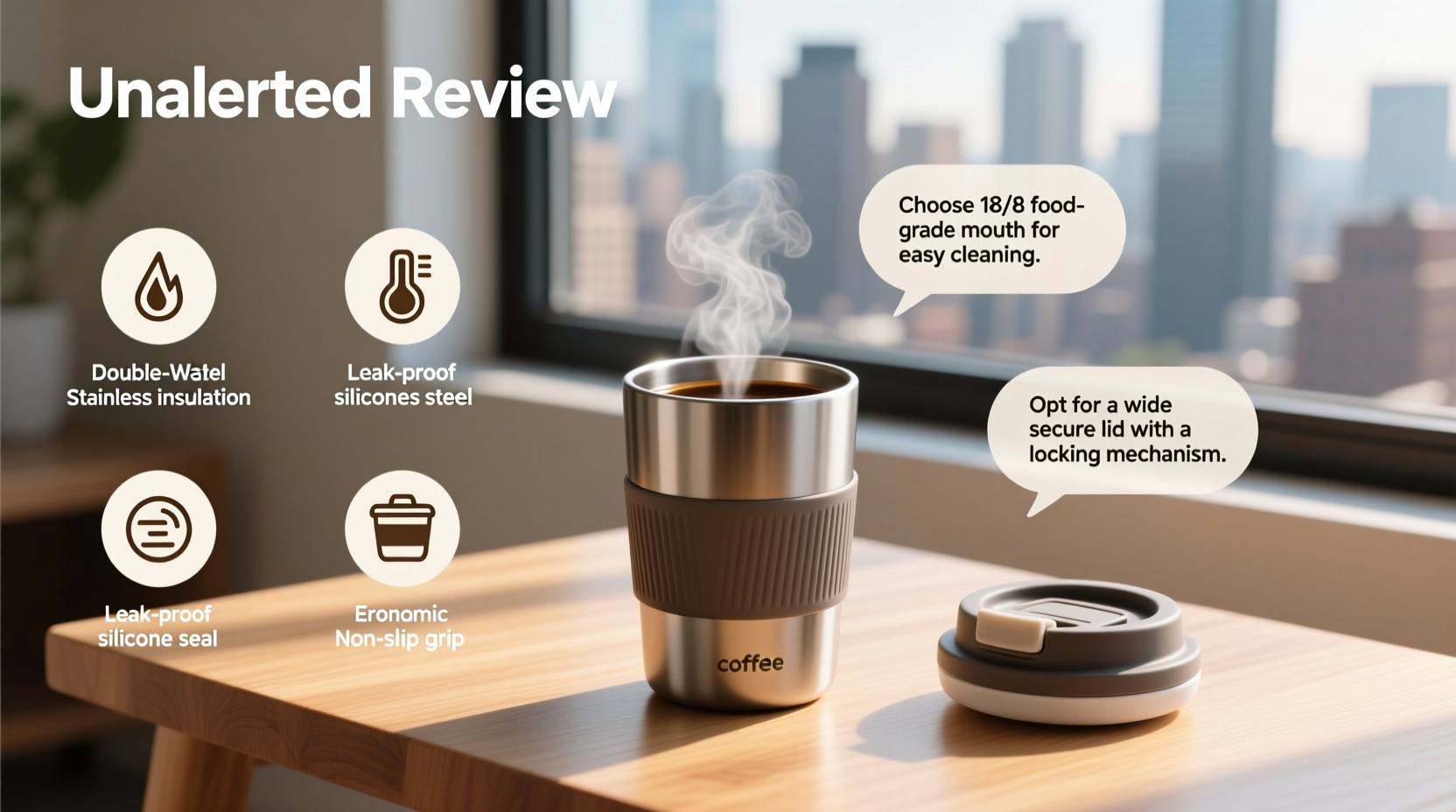
The foundation of any durable coffee cup lies in its construction material. The most common options are stainless steel, plastic, glass, and ceramic—each with distinct advantages and drawbacks.
- Stainless Steel: The gold standard for durability. High-quality 18/8 or 304-grade stainless steel resists corrosion, dents, and temperature extremes. Double-walled vacuum insulation keeps drinks hot for hours and prevents condensation.
- Plastic (BPA-Free Tritan or Polypropylene): Lightweight and shatter-resistant, but less durable over time. Can absorb odors and may discolor with frequent use, especially with acidic beverages like tea or fruit juice.
- Tempered Glass: Offers a clean taste and elegant look, but is prone to cracking if dropped. Usually encased in silicone sleeves for protection, which adds bulk.
- Ceramic-Lined Stainless Steel: Combines metal durability with a smooth interior surface that resists staining and flavor retention. However, the ceramic coating can chip if mishandled.
Lid Design and Leak Resistance
A cup’s durability isn’t just about the body—it’s also defined by how well it seals. Many users report leaks not due to poor manufacturing, but because of flawed lid mechanics. Look for these features:
- Locking mechanisms: Push-button sliders or twist-to-close lids prevent accidental spills in bags or car cup holders.
- Silicone gaskets: A replaceable rubber seal ensures a tight closure and prolongs the life of the cup.
- Mouthpiece quality: Durable cups have reinforced openings that resist cracking from repeated sipping and cleaning.
“Over 60% of customer complaints about reusable mugs stem from lid failure, not body damage.” — Jordan Lee, Product Engineer at ThermoFlask Labs
Consider whether you prefer a wide mouth for easy cleaning or a narrow opening for controlled sipping. Wide lids are easier to clean but more prone to splashing; narrow ones offer better control but may trap residue.
Insulation Performance: Keeping Temperature Intact
Durability includes thermal endurance. A high-performance insulated cup should maintain beverage temperature for extended periods. Vacuum insulation is the most effective method, creating a barrier between inner and outer walls.
| Insulation Type | Hot Retention (6 hrs) | Cold Retention (12 hrs) | Durability Rating |
|---|---|---|---|
| Vacuum-Insulated Stainless Steel | Yes (70°F+ above ambient) | Yes (ice lasts 12+ hrs) | ★★★★★ |
| Single-Wall Stainless Steel | No (cools within 1–2 hrs) | Moderate (6–8 hrs) | ★★☆☆☆ |
| Double-Wall Plastic | Poor (1 hr max) | Fair (6 hrs) | ★★★☆☆ |
| Tempered Glass with Sleeve | Fair (2–3 hrs) | Fair (8 hrs) | ★★★☆☆ |
For true all-day performance, aim for a cup that retains heat for at least 6–12 hours and cold for 12–24 hours. This ensures reliability whether you're on a long commute or working through lunch without reheating.
Real-World Durability: A Commuter’s Experience
Take Sarah M., a project manager in Seattle who commutes 45 minutes each way and relies on her travel mug daily. After two years of using various brands, she settled on a 16-oz stainless steel model with a magnetic lid lock.
\"I used to go through a new cup every six months,\" she said. \"Some cracked when I set them down too hard. Others leaked into my laptop bag. My current one survived being dropped on concrete, left in a hot car, and washed in the dishwasher over 200 times. The finish is scratched, but it still holds heat perfectly.\"
Her experience highlights a crucial point: durability isn’t just about surviving accidents—it’s about consistent performance under repeated stress. Features like dent-resistant walls, dishwasher-safe components, and impact-absorbing bases contribute significantly to longevity.
Expert Tips for Maximizing Longevity
Even the best-made cup will degrade faster without proper care. Follow these expert-backed practices to extend your mug’s lifespan:
- Hand wash when possible: While many cups claim to be dishwasher-safe, hand washing preserves seals and finishes longer.
- Replace worn gaskets: Most manufacturers sell replacement silicone rings. A loose seal leads to leaks and pressure loss.
- Avoid extreme thermal shock: Don’t pour boiling water into a freezing-cold cup or place a hot cup directly into the freezer.
- Store open and dry: Leaving the lid closed traps moisture, promoting mold and odor buildup.
- Check for recalls or upgrades: Some brands offer free lid replacements based on user feedback.
Buying Checklist: Key Features to Look For
Before purchasing, verify these must-have attributes to ensure lasting value:
- ✅ Food-grade 304 or 316 stainless steel construction
- ✅ Vacuum-insulated double-wall design
- ✅ Leak-proof, locking lid with replaceable gasket
- ✅ Comfortable grip or textured exterior
- ✅ Compatible with car cup holders (standard 3-inch base)
- ✅ Dishwasher-safe (top rack recommended)
- ✅ Manufacturer warranty (minimum 1-year, ideally lifetime against defects)
- ✅ Easy disassembly for deep cleaning
Frequently Asked Questions
Can I use my travel mug for carbonated drinks?
Only if the manufacturer explicitly states it’s safe. Carbonation builds pressure, and non-vented lids can cause sudden spills when opened. Some mugs are designed for sparkling water; others are not.
Why does my stainless steel cup taste metallic?
This usually indicates low-quality steel or residual manufacturing compounds. Try soaking in baking soda and water overnight. If the taste persists, the cup may not use food-grade materials.
Are expensive mugs worth the cost?
Not always—but premium brands often invest in better engineering, longer warranties, and replaceable parts. A $35 mug that lasts five years is cheaper than replacing $12 mugs annually.
Final Thoughts: Invest in Quality, Not Quantity
Choosing a durable portable coffee cup isn’t just about saving money or reducing waste—it’s about enhancing your daily ritual with reliability and peace of mind. The best cups withstand drops, retain heat, resist leaks, and remain easy to clean, year after year.
By focusing on material integrity, lid functionality, and proven insulation, you can avoid the cycle of constant replacement. Combine smart selection with proper maintenance, and your next travel mug could become a trusted companion for thousands of brews to come.




 浙公网安备
33010002000092号
浙公网安备
33010002000092号 浙B2-20120091-4
Comments
No comments yet. Why don't you start the discussion?